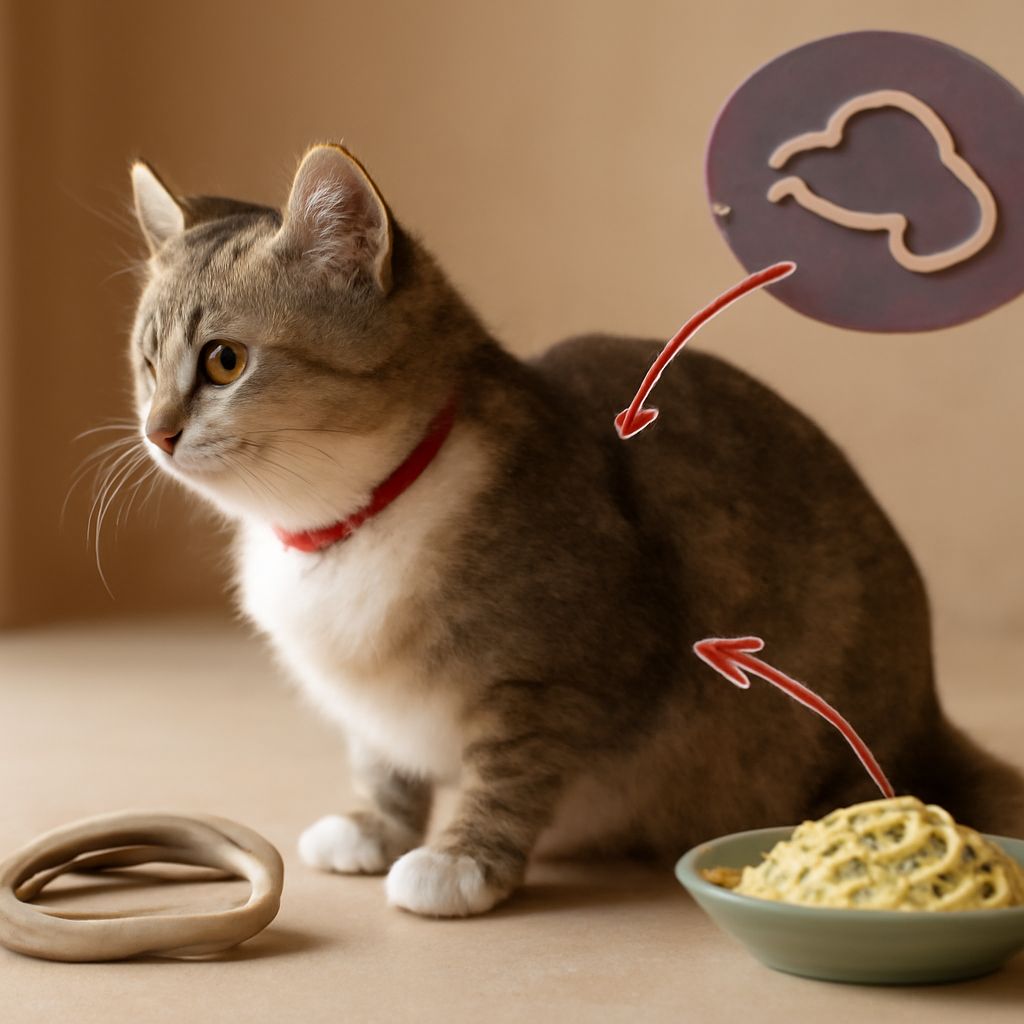
As you sit quietly, stroking your cat’s soft fur, you notice a slight discomfort in their demeanor. The thought crosses your mind: Are worms the cause of this unease? Understanding the significance of worming cats becomes crucial. It’s essential to know how long after deworming a cat the worms are gone and whether milk gives cats worms. Choosing an effective cat hookworm dewormer is vital in ensuring your feline friend’s health and happiness.
Understanding Worming Cats and Its Importance
Worming your cat is a key aspect of maintaining their overall health and preventing serious health issues. Regular deworming helps protect your feline from a variety of intestinal worms that can cause discomfort and nutritional deficiencies. Ensuring that your pet is free from parasites like hookworms and roundworms is essential for their well-being. Pet owners should prioritize regular veterinary check-ups that include deworming protocols.
How Long Does Dewormer Take to Work on Cats
The effectiveness of dewormers can vary based on the type used and the specific worm infestation present. Generally, dewormers begin to work within a few hours of administration. However, the complete elimination of worms may take a few days. It’s important for cat owners to follow the vet’s guidance on re-dosing if necessary, to ensure full eradication. Always consider the type of worms present when using dewormers, as this can influence how quickly they take effect.
How Long After Deworming a Cat Are the Worms Gone
After administering a dewormer, it usually takes several days to see the complete removal of worms from your cat’s system. The timeline may depend on the severity of the infestation and the cat’s health. Owners may notice worms in the cat’s stool as they are eliminated from the body. Regular monitoring and follow-up treatment are essential to ensure that all parasites are successfully removed, and a clean bill of health is achieved for your pet.
Choosing the Right Cat Hookworm Dewormer
Selecting an appropriate dewormer for hookworms is crucial for effective treatment. Hookworms can cause significant harm if left untreated, leading to anemia and other health complications. Consult with your veterinarian to choose a dewormer that targets hookworms specifically and is suitable for your cat’s age and health condition. Ensuring the correct dosage is given is also critical for the treatment’s success.
Does Milk Give Cats Worms: Myth or Fact?
There is a common myth that feeding milk to cats may result in worm infestations. However, this is largely unfounded. Worms are typically contracted through contact with infected feces or intermediate hosts like fleas. While milk is not a cause of worms, many adult cats are lactose intolerant, which can cause digestive issues. It’s always best to provide your cat with appropriate nutrition and avoid unnecessary myths about their diet.
Signs and Symptoms of Worm Infestations in Cats
Recognizing the signs of a worm infestation can help in addressing the issue promptly. Common symptoms include weight loss, a dull coat, vomiting, diarrhea, and a noticeable bloated abdomen. Some cats may also exhibit changes in appetite or show signs of lethargy. Regularly observing your cat’s behavior and physical condition can help in early detection and treatment of worm infestations.
Preventive Measures for Worming Cats
Prevention is always better than cure when it comes to worming. Regular veterinary check-ups and adhering to a deworming schedule are crucial. Maintaining a clean living environment and controlling fleas can significantly reduce the risk of infestations. Additionally, feeding your cat high-quality nutrition and ensuring they do not consume raw meat or wild prey can further safeguard them from worm-related health issues.
Key takeaways: Deworming is essential for maintaining your cat’s health and preventing worm infestations. Timely administration of dewormers, choosing the right product, and following preventive measures can protect your feline friend effectively. Debunking myths such as the idea that milk gives worms helps in ensuring proper care.