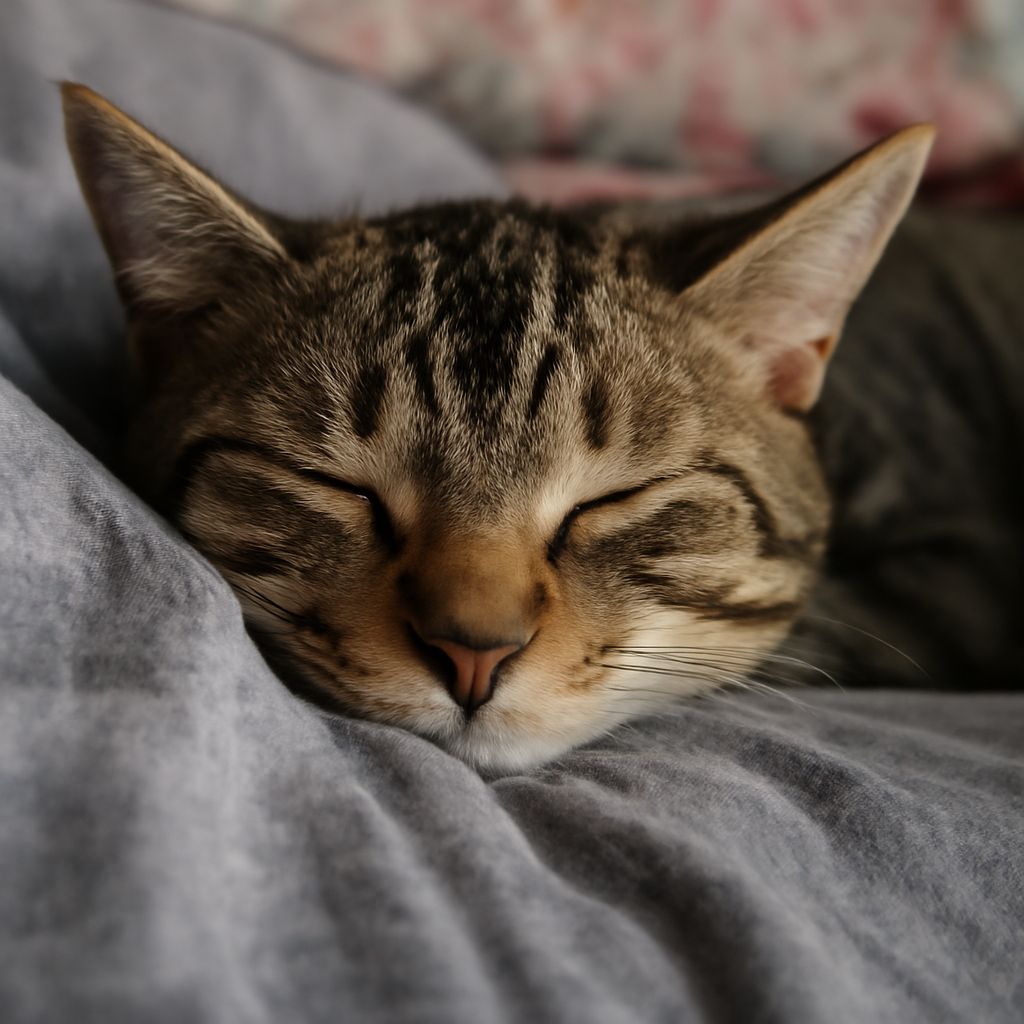
Picture this: It’s a peaceful evening, and you’re nestled on the couch with your favorite book. Your cat is curled up next to you, purring quietly — until suddenly, you hear it. That adorable yet puzzling sound — your cat is snoring. You wonder, “My cat snores occasionally, and it’s both adorable and puzzling.” As amusing as it might be, you’re curious about why your cat snores and whether it’s something to be concerned about. Let’s delve into the mystery behind your cat’s snores, uncovering common reasons behind a snoring cat and exploring when to consult a vet for cat snore concerns.
Why My Cat Snores: Common Causes of Cat Snoring
Anatomical Reasons for Cat Snore
Cats, much like humans, can have anatomical features that lead to snoring. Some felines have narrower nasal passages or elongated soft palates, which can cause airflow restrictions as they breathe during sleep. Cats with these traits are more prone to snoring, especially if they tend to sleep in odd positions that exacerbate the issue. While this kind of snoring is usually harmless, it’s interesting to note how a cat’s anatomy plays a role in their nocturnal symphony.
Health Conditions That Cause Cat Snoring Beyond anatomical reasons, various health conditions can lead to cat snoring. Obesity in cats is a common culprit, as excess weight can put pressure on a cat’s airways, making snoring more likely. Additionally, respiratory infections, allergies, or asthma can contribute to snoring by causing inflammation and congestion. If your cat’s snoring is accompanied by coughing or sneezing, these factors may be at play. Regular check-ups and maintaining a healthy weight can mitigate these issues.
When to Worry About a Snoring Cat
Recognizing Abnormal Cat Snoring Patterns
While occasional snoring is generally harmless, certain signs may suggest that your cat’s snoring warrants a closer look. Notice if the snoring is severe or accompanied by labored breathing, or if it comes with a change in your cat’s sleeping patterns or behavior. Abnormal snoring patterns might indicate a more serious health issue that needs attention. Such irregularities can be warning signals to consult your vet, especially if your cat seems uncomfortable or distressed.
How to Help Your Snoring Cat Sleep Better
Practical Tips to Reduce Cat Snoring
If your cat snores mildly, there are simple ways to help improve their sleep quality. You can offer your cat a comfortable sleeping environment with an appropriate bed that supports their natural sleeping posture. Encouraging your cat to maintain a healthy weight through balanced diet and exercise reduces the risk of snoring related to obesity. Additionally, using humidifiers to moisten the air can alleviate snoring caused by dryness or congestion.
When to Consult a Veterinarian for Cat Snore Issues
In cases where snoring seems to persist or worsen, seeking advice from a veterinarian might be necessary. If your cat’s snoring is coupled with symptoms like difficulty breathing, coughing, or behavioral changes, professional evaluation is crucial. A vet can help determine if there’s an underlying condition needing treatment or management. Remember, your cat’s health and comfort are paramount, and a vet’s guidance can ensure they sleep soundly.
Pro tips recap: To keep your snoring cat healthy and comfortable, ensure they have a cozy sleeping space, maintain their weight, and monitor their snoring patterns. Use humidifiers for air quality and don’t hesitate to consult a vet if concerns arise. Enjoy your cat’s adorable snores with peace of mind!