
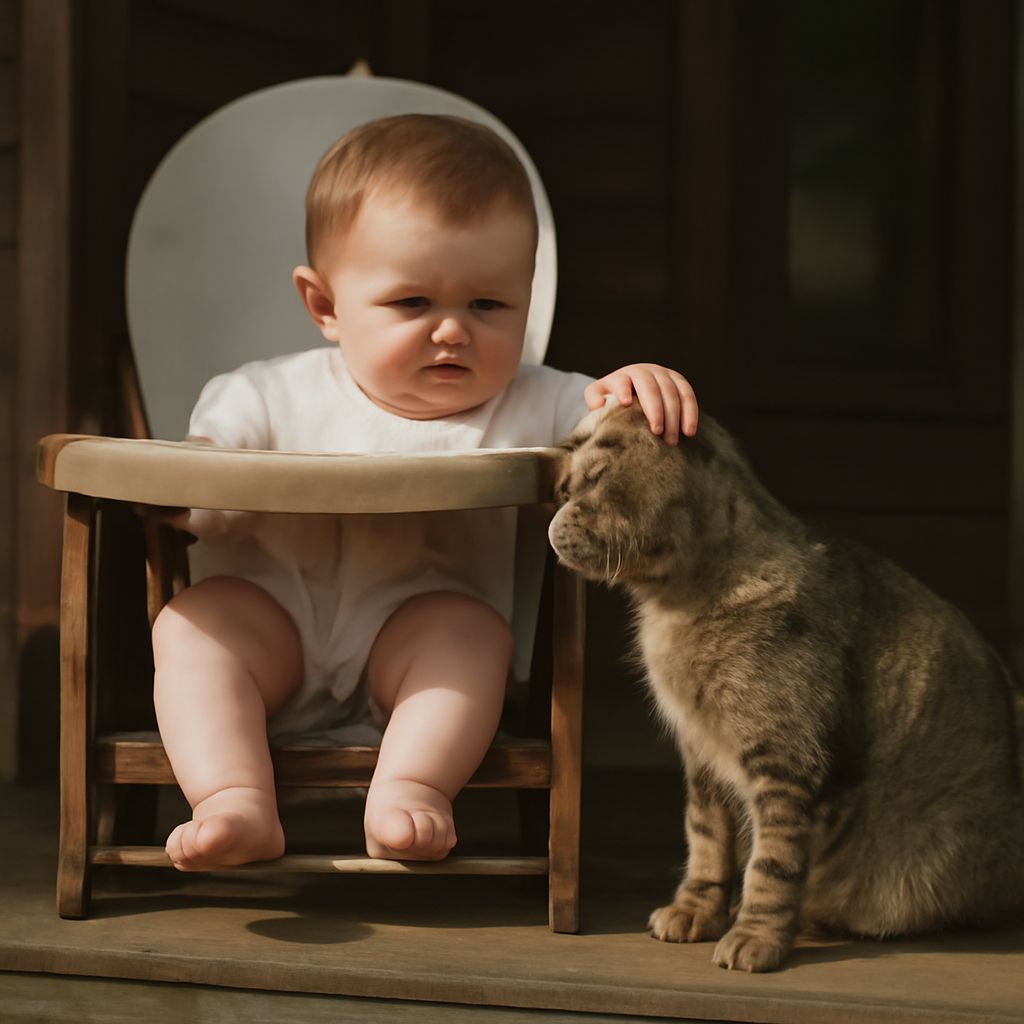
Imagine a lazy afternoon where the sunlight streams through your window, casting intricate patterns on the floor. As you follow cat tracks, you spot your sleek, black cat basking in the glow, its fur shimmering like an onyx jewel. This moment is what cat photography is all about—capturing the essence of these mysterious and captivating creatures. With each click of your camera, you venture further into the world of cat bigney, where every feline, from the common tabby to the elusive black cat, holds its own unique charm. Welcome to the cat bible of photography, where each cat tells its own story through the lens.
Introduction to Cat Photography
Understanding the Basics
Cat photography requires a keen understanding of the subject. Cats are independent, curious, and at times unpredictable, making them both a challenging and rewarding subject for photography. Observing their behavior and respecting their space can lead to capturing natural and candid moments. Patience is vital, as is a quick shutter to catch those fleeting moments of feline grace.
Importance of Lighting in Cat Photography
Lighting can make or break a photograph, and this is especially true in cat photography. Natural light is often the best option, highlighting the cat’s fur texture and eye color without harsh shadows. However, when shooting indoors, soft artificial lighting can also create a warm and inviting atmosphere, perfect for capturing the essence of your feline friend.
Exploring Cat Tracks in Photography
How to Capture Cat Tracks
Cat tracks are more than just paw prints left behind; they are a narrative of the cat’s journey. To capture these tracks effectively, focus on the patterns they create, whether on sand, snow, or a dusty floor. Playing with depth of field can add a dimension of intrigue, drawing the viewer’s eye through the image.
Cat Tracks: A Unique Perspective
Photographing cat tracks from different angles can offer a fresh perspective. Low angles can emphasize the tracks’ depth and pattern, while an overhead shot might focus on symmetry. Each approach tells a different part of the story, enhancing the mystery of where these tracks might lead.
The Art of Black Cat Photography
Challenges and Solutions
Photographing black cats presents unique challenges due to their dark fur, which can absorb light and obscure details. One solution is to use contrasting backgrounds that help the cat stand out while adjusting exposure settings to ensure that the features are visible without washing out the image.
Techniques for Capturing Black Cats
Utilizing side lighting can add dimension and detail to black cat photography, highlighting the texture and depth of the fur. Reflectors are also useful tools in bouncing light back onto the subject, creating a balanced exposure that captures the cat’s enigmatic allure.
Cat Bigney: A Photographic Exploration
What is Cat Bigney?
Cat bigney is a term coined to describe the playful yet intricate relationship between cats and their environment. This concept encourages photographers to focus on the context of the feline subject—the surroundings, objects, and textures that interact with the cat.
Capturing the Essence of Cat Bigney
To capture the essence of cat bigney, pay attention to how a cat fits within its environment. Compose shots that include elements like furniture, garden settings, or favorite toys, which add layers to the story being told. These elements provide insight into the cat’s personality and daily life.
Your Guide to the Cat Bible
Essential Tips for Cat Photography
Your photography toolkit should include knowledge of cat behavior, patience, and the ability to adapt quickly. Always be ready to capture spontaneous moments, and remember to experiment with angles and lighting to discover what works best for each unique subject.
Must-Have Equipment for Cat Photography
Invest in a good-quality camera with fast autofocus and a versatile lens that suits your environment. A tripod can be useful for stability, especially in low-light conditions. Don’t forget to carry a reflector and some treats to grab the cat’s attention and keep them engaged.
Safety Recap: When photographing cats, always prioritize their comfort and safety. Avoid using flash directly in their eyes, and ensure that any props or settings do not pose a hazard. Let the cat lead the session, taking breaks as needed to maintain a calm and enjoyable experience.