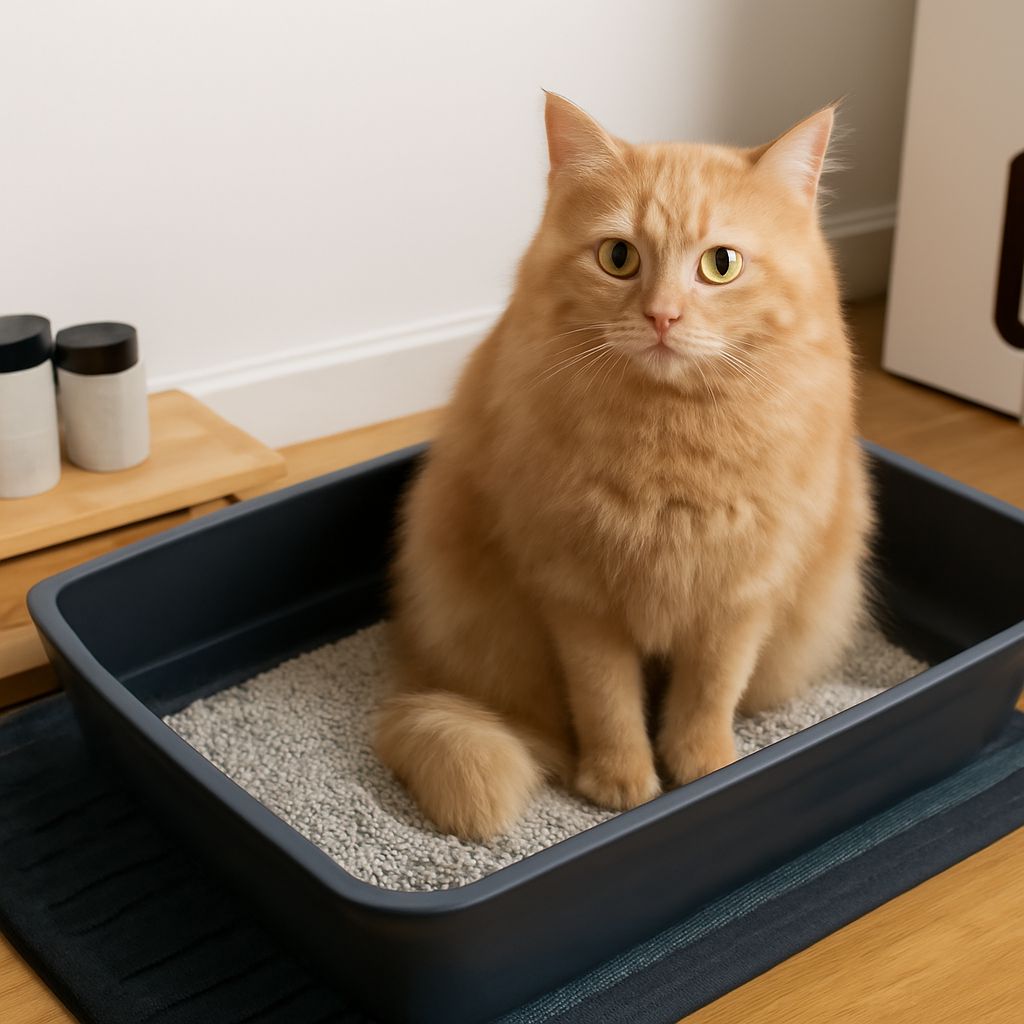
Imagine coming home one day to find your beloved cat not greeting you at the door with its usual enthusiasm. Instead, it seems lethargic, uninterested in food, and its litter box habits have changed. As you search for answers, you stumble upon the term chronic renal failure (CRF) in cats and realize your feline friend might be experiencing kidney issues. Understanding cat kidney disease and its treatment becomes crucial in providing the best care for your pet.
Understanding Kidney Disease in Cats
What is Kidney Disease in Cats?
Kidney disease in cats refers to a condition where the kidneys are unable to efficiently filter waste products from the blood. This can lead to an accumulation of toxins and an imbalance of electrolytes, affecting your cat’s overall health. Chronic kidney disease is common in older cats and can significantly impact their quality of life if not managed properly.
Early Signs and Symptoms of Cat Kidney Issues
Recognizing the early signs of kidney disease is crucial for effective management. Common symptoms include increased thirst and urination, weight loss, vomiting, and a decrease in appetite. You may also notice bad breath and a dull coat. If you observe any of these symptoms, it is essential to consult your veterinarian for a thorough examination.
Causes of Chronic Renal Failure in Cats
Chronic renal failure in cats can result from various factors, including genetics, age, and underlying health conditions. Infections, toxins, and high blood pressure can also contribute to kidney damage. Regular veterinary check-ups can help identify potential causes and initiate early intervention to slow the disease’s progression.
Cat Kidney Disease Treatment Options
Dietary Management for CRF Cats
Diet plays a pivotal role in managing kidney disease in cats. A specialized renal diet can help reduce the workload on the kidneys by restricting protein and phosphorus levels while providing adequate nutrients. Your veterinarian can recommend a suitable diet tailored to your cat’s specific needs to support kidney function and overall health.
Medication for Cat Kidney Health
In some cases, medication may be necessary to control symptoms and improve kidney function. Phosphate binders, blood pressure medications, and drugs to manage nausea or vomiting can be prescribed. It is important to follow your veterinarian’s instructions and regularly monitor your cat’s response to these medications.
Hydration and Fluid Therapy
Keeping your cat well-hydrated is crucial in managing kidney disease. Cats with CRF often become dehydrated, which can exacerbate kidney problems. Providing plenty of fresh water and considering subcutaneous fluid therapy under your veterinarian’s guidance can help maintain hydration levels and support renal health.
Alternative and Supportive Treatments
In addition to conventional treatments, some cat owners explore alternative therapies to support kidney health. Acupuncture, herbal supplements, and omega-3 fatty acids are some options that may provide additional benefits. Always consult with your veterinarian before introducing any new treatments to ensure they are safe and beneficial for your cat.
Caring for a CRF Cat at Home
Creating a Comfortable Environment for Your Cat
Creating a stress-free and comfortable environment is vital for a cat with kidney disease. Ensure easy access to food, water, and litter boxes. Provide warm, cozy resting places and minimize changes in their daily routine to reduce stress, which can negatively impact their health.
Monitoring Your Cat’s Health
Regular monitoring of your cat’s health is essential to detect any changes or deterioration early. Keep track of their eating habits, weight, litter box usage, and behavior. Document any changes and share them with your veterinarian during check-ups to adjust the treatment plan as needed.
Working with Your Veterinarian
Effective management of chronic renal failure requires a collaborative approach with your veterinarian. Regular visits and open communication will ensure your cat receives the best care possible. Your veterinarian can provide valuable guidance on managing symptoms and adjusting treatment plans as your cat’s condition evolves.
Next steps: Implementing a comprehensive care plan tailored to your cat’s specific needs is crucial for managing kidney disease effectively. Regular veterinary consultations, adhering to prescribed treatments, and maintaining a supportive home environment will help improve your cat’s quality of life. Stay informed and proactive in your care approach to ensure your furry companion remains as healthy and happy as possible.