Imagine you are lounging on your couch when suddenly your cat darts across the room, tail puffed up like a bottle brush. You might wonder, “Why do cats tails puff up?” The sight of your feline companion with a cat fluffy tail can be both amusing and puzzling. Understanding the nuances of this behavior brings insight into their complex world. Knowing why your cat’s tail stands on end can help you better respond and ensure your pet’s well-being.
Understanding the Basics: Why Do Cats Tails Puff Up?
The Science Behind Cat Puffy Tail
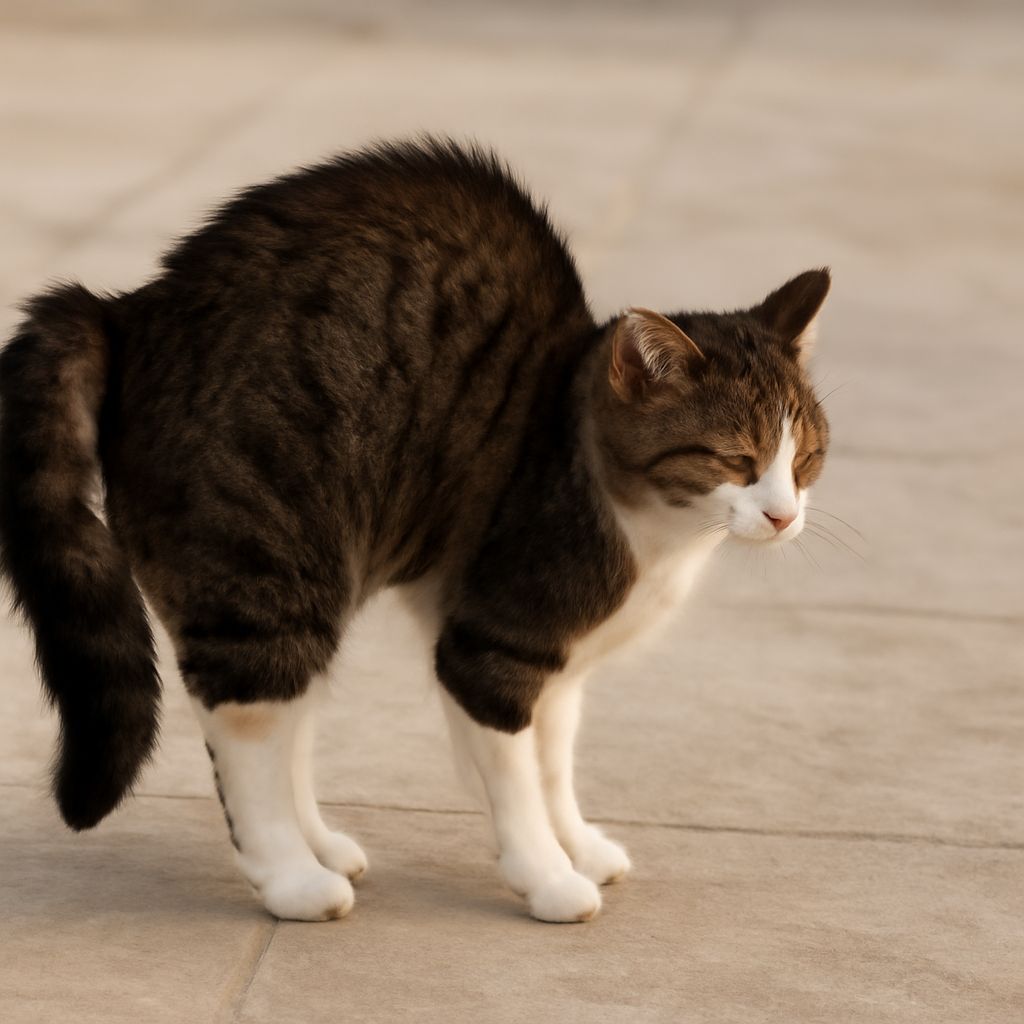
When your cat’s tail puffs up, it’s not just an adorable quirk; it’s a natural response to various stimuli. The phenomenon, known scientifically as piloerection, occurs when the muscles at the base of the hair follicles contract. This reaction is triggered by the autonomic nervous system, often in response to stress or excitement. The cat puffy tail is similar to the goosebumps humans experience when frightened or cold.
Common Triggers for Cat Fluffy Tail Several factors can lead to a cat fluffy tail. Fear is one of the most common triggers. If a cat perceives a threat, whether real or imagined, its tail may puff up as part of a flight-or-fight response. Excitement can also cause this reaction. For instance, when playing or hunting, a cat may experience a surge of adrenaline that results in a fluffy tail. Environmental changes, new pets, or unfamiliar visitors can also lead to this behavior.
Cat Tails as Communication Tools
How Cat Puffed Up Tails Signal Emotions
Cats use their tails as a vital means of communication. A puffed up tail can convey a range of emotions. While often associated with fear, it can also indicate aggression or playfulness. Observing the rest of the cat’s body language is crucial in interpreting these signals accurately. For example, a cat with a puffed up tail but relaxed body might simply be excited or playful, while a tense body could suggest fear or aggression.
The Role of Instincts in Cat Tail Behavior
Instinct plays a significant role in tail behavior. Piloerection is a survival mechanism, making the cat appear larger and more intimidating to potential threats. This instinctual response is deeply rooted in a cat’s evolutionary past as both predator and prey. Over time, domesticated cats have retained this behavior, which is why you might see your indoor cat exhibit a puffy tail even in the safety of your home.
Dealing with a Cat Puffed Up Tail
Steps to Calm a Cat with a Puffy Tail
If you notice your cat’s tail puffed up, it’s important to approach the situation with care. Ensure your cat feels safe by speaking in soft, soothing tones and avoiding sudden movements that could increase anxiety. Provide a quiet and secure environment where your cat can retreat to calm down. Engaging in gentle play with familiar toys can help redirect energy and reduce stress.
When to Consult a Veterinarian
While a puffy tail is often a temporary and harmless reaction, there are situations where you might need to consult a veterinarian. If your cat frequently exhibits a puffed up tail without obvious triggers, or if it’s accompanied by other signs of distress or illness, professional advice is warranted. Observing your cat’s overall behavior and health can help determine if a veterinary consultation is necessary.
Bottom line: Understanding why cats’ tails puff up is essential for interpreting their emotions and instincts. By recognizing these cues, you can foster a more harmonious relationship with your feline friend and ensure their comfort and security.