
Imagine you’re enjoying a quiet afternoon in your garden, surrounded by blooming flowers such as peonies, marigolds, and ferns. Your cat, a curious and adventurous companion, is weaving through the vibrant greenery. Suddenly, a crucial question crosses your mind: Are these plants safe for your feline friend? As you observe your cat sniffing around the geraniums and eyeing an amaryllis, you recall hearing that some plants could pose a threat to pets. Understanding the risks associated with certain flowers and creating a pet-safe environment is essential for your cat’s health and well-being.
Understanding Peonies and Their Effects on Cats
Peonies are a popular garden choice due to their lush blooms and enticing fragrance. However, pet owners often wonder if peonies might be hazardous to cats. While peonies can cause mild irritation if ingested, they are generally not known to be highly toxic to cats. Symptoms like vomiting and diarrhea might occur, so it’s prudent to keep these plants out of reach. Consider monitoring your cat’s interactions with the garden and consulting a veterinarian if ingestion is suspected.
Are Marigolds Poisonous to Cats?
Marigolds, with their bright, cheerful petals, are often used for decorative purposes. The good news for cat owners is that marigolds are not highly toxic to cats. However, they can cause mild gastrointestinal upset if a curious cat decides to nibble on them. To ensure that your pet remains safe, it’s advisable to observe your cat’s behavior around these plants and maintain a watchful eye for any signs of discomfort or unusual behavior.
Geraniums and Their Impact on Your Cat’s Health
Geraniums are another common garden plant that may catch your cat’s attention. It’s important to be cautious, as geraniums contain compounds that can be mildly toxic to cats. These compounds may lead to symptoms such as vomiting, lethargy, and skin irritation. It’s wise to plant geraniums in areas that are less accessible to your feline companions or consider choosing safer alternatives for your garden.
The Dangers of Amaryllis for Cats
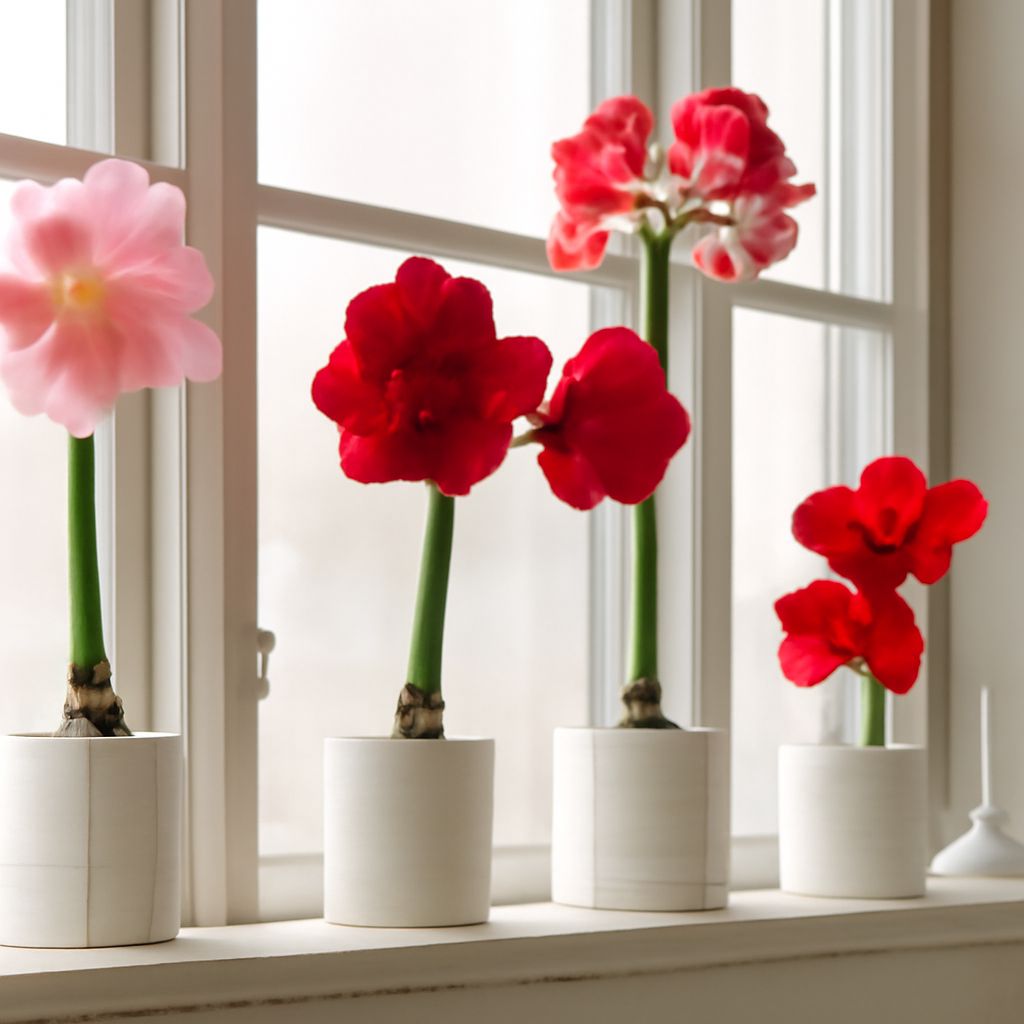
Amaryllis plants are renowned for their stunning blooms, but they pose a significant risk to cats. The bulbs of amaryllis are particularly toxic and can lead to serious symptoms such as abdominal pain, tremors, and even changes in blood pressure. To protect your cat, it’s essential to ensure that amaryllis plants are kept out of reach or excluded from your garden entirely. If you suspect your cat has consumed any part of an amaryllis, contacting a veterinarian promptly is crucial.
Are Ferns Safe for Cats?
Ferns are a popular choice for adding lush greenery to gardens, but not all ferns are safe for cats. While true ferns are non-toxic, certain varieties like the asparagus fern can cause adverse effects such as vomiting or skin irritation. When selecting ferns for your garden, research the specific type to ensure it’s safe for your feline friend. Opting for safer fern varieties can help create a harmonious and secure environment for both your garden and your pet.
Creating a Pet-Safe Garden Environment
Designing a garden that is safe for pets involves careful planning and awareness. Consider incorporating plants known for their non-toxic properties and avoid those that might harm your cat. Monitoring your cat’s interaction with the garden and providing alternative enrichment activities, like cat-friendly herbs or catnip, can divert attention away from potentially harmful plants. Regular garden maintenance and ensuring secure fencing can also prevent unauthorized exploration that might lead to risky encounters. Through thoughtful choices and vigilant care, a serene and safe garden can be enjoyed by both humans and their feline friends.
Key takeaways: Many common garden plants, including peonies, marigolds, and ferns, have varying levels of toxicity to cats. Understanding the risks associated with each plant and creating a pet-safe environment can help ensure your cat’s safety and health. Regular monitoring and careful selection of plants will foster a harmonious coexistence between your garden and your furry companion.