Imagine you’ve just returned home after a long day, eager to relax with your furry companion. As you reach out to pet your cat, you notice something unusual—a cloudy eye. This sight can be alarming, and questions flood your mind. What caused this cat eye cloudy condition? Is it a sign of something serious? Understanding these concerns can help you take the necessary steps to care for your beloved pet.
A cloudy eye in a cat may indicate various underlying conditions, ranging from mild irritations to more serious health issues. Recognizing the common causes and symptoms will empower you to seek appropriate treatment for your cat’s health and safety. Let’s delve into the possible reasons your cat’s eye has turned cloudy and explore preventive measures to ensure their well-being.
Understanding Cloudy Eyes in Cats
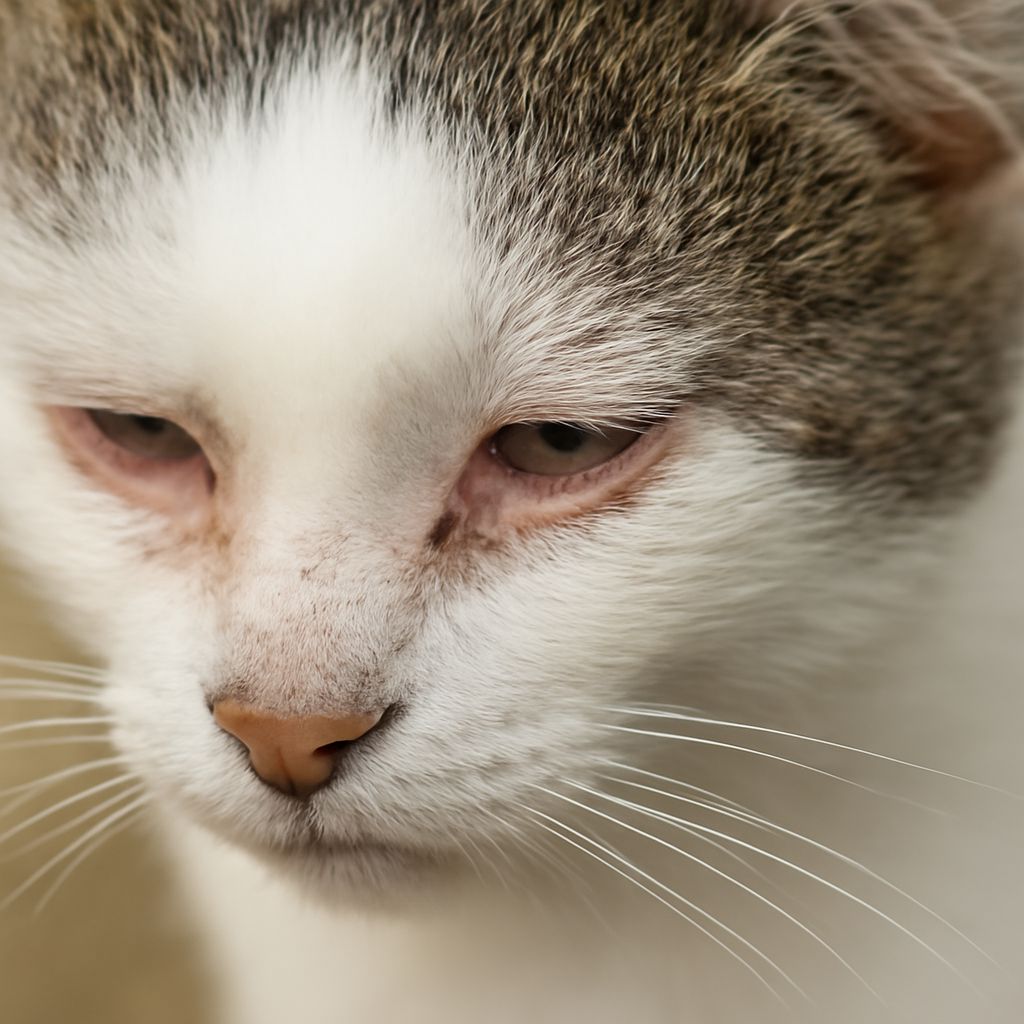
Cloudy eyes in cats can be a sign of several underlying conditions. A cat’s eye may become cloudy due to a physical injury, infection, or even age-related changes. This condition should not be ignored, as it can affect the cat’s vision and overall health. A cloudy eye can manifest as a hazy or opaque appearance over the eye, often accompanied by discharge or redness.
It’s important to note that while cloudy eyes may appear alarming, not all cases indicate severe problems. Some may be temporary and resolve with proper care and treatment, while others may require a veterinarian’s attention. Understanding the potential causes and symptoms is crucial for the appropriate management of your cat’s health.
Common Causes of Cloudy Eye in Cats
There are several common reasons why a cat might have a cloudy eye. One frequent cause is conjunctivitis, an inflammation of the conjunctiva that can result in redness, swelling, and cloudiness. Infections, such as those caused by bacteria or viruses, can also lead to a cloudy appearance in a cat’s eye.
Another potential cause is corneal ulcers, often resulting from injury or persistent irritation. These ulcers can cause the eye to appear cloudy as they disrupt the cornea’s clear surface. Additionally, glaucoma—a condition characterized by increased pressure within the eye—can lead to cloudiness and vision impairment.
Age-related cataracts may develop in older cats, causing cloudiness as the lens of the eye becomes opaque. Each of these conditions requires attention to ensure your cat’s vision and comfort are protected.
Symptoms to Watch For When Your Cat Has a Cloudy Eye
When observing your cat’s eye, several symptoms may accompany cloudiness. Redness, excessive tearing, and squinting are common indicators of discomfort or irritation. In more severe cases, you may notice swelling around the eye or an unusual discharge that should be addressed promptly.
Behavioral changes, such as increased pawing at the affected eye or avoidance of bright light, can also be signs that your cat is experiencing discomfort. It’s crucial to monitor these symptoms and seek professional advice if they persist or worsen.
Diagnosis and Treatment Options for Cat Cloudy Eye Overnight
If you notice your cat’s eye becoming cloudy overnight, it is advisable to consult a veterinarian for a thorough examination. Diagnosis may involve visual inspection, fluorescein staining to detect corneal ulcers, and measurements of intraocular pressure to rule out glaucoma.
Treatment depends on the underlying cause. For infections, antibiotics or antiviral medications may be prescribed. Anti-inflammatory drops can help alleviate swelling and irritation. In the case of corneal ulcers, protective ointments and possible surgical intervention might be needed. Glaucoma treatment typically involves medications to reduce eye pressure, preserving vision.
While some conditions can be managed with medication, others may necessitate surgical solutions, such as cataract removal. Timely diagnosis and appropriate treatment are key to preventing further complications and preserving your cat’s vision.
Preventing Cloudy Eye in Cats
Preventive measures can help reduce the risk of cloudy eyes in your cat. Regular eye examinations by a veterinarian can detect potential issues early. Keep your cat’s environment clean and free of irritants that could lead to infection or injury.
Ensure your cat receives a balanced diet to support overall health, including eye health. Providing toys and stimulation can prevent boredom-related behaviors that might lead to eye injuries. Also, be mindful of potential allergens and pollutants that could affect your cat’s eyes.
By maintaining good hygiene and monitoring your cat’s health, you can help prevent conditions that lead to cloudy eyes. Proactive care is essential for your cat’s long-term well-being.
Pro tips recap: To ensure your cat’s eyes remain healthy, stay vigilant for symptoms and consult a veterinarian if cloudiness persists. Regular check-ups, a balanced diet, and a clean environment can help prevent issues. Protect your cat’s vision by addressing any discomfort or abnormalities promptly.