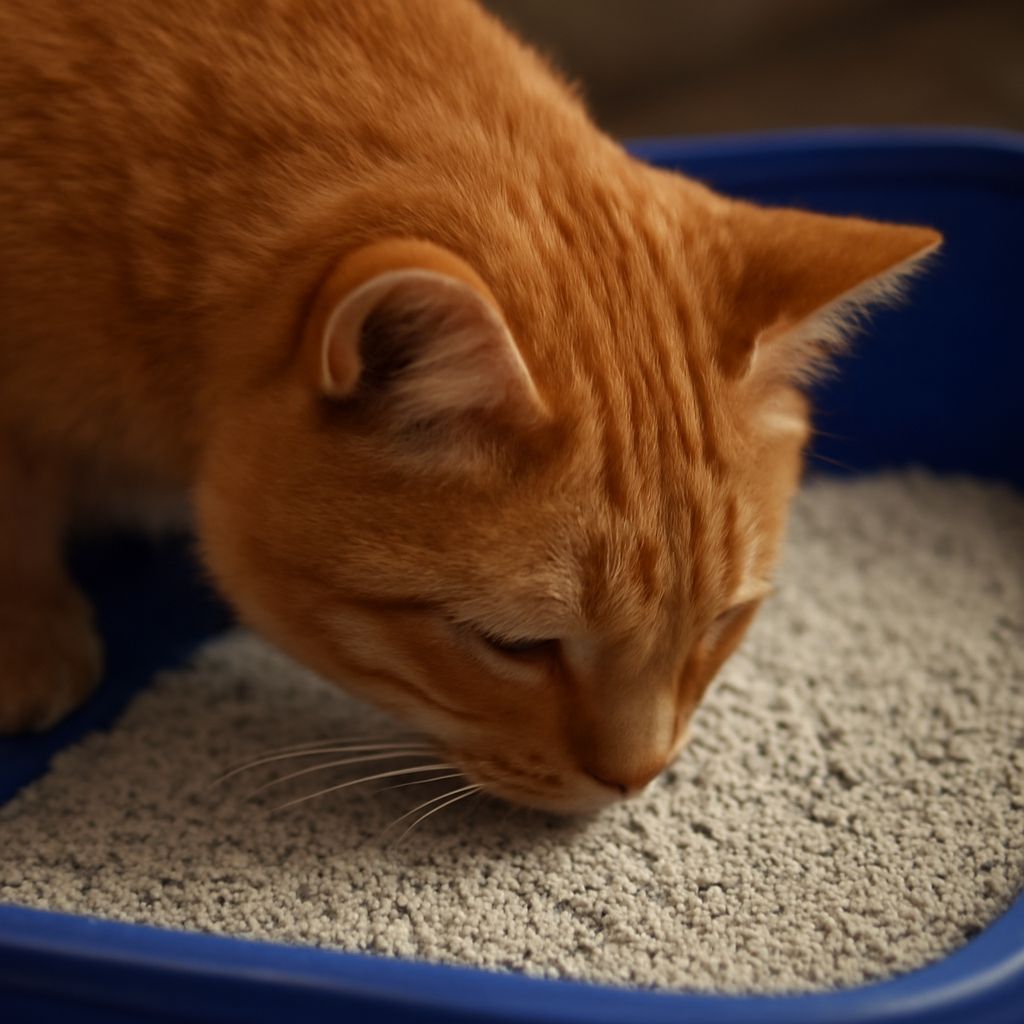
Imagine walking into your home to find your beloved feline sneezing and scratching incessantly. As a dedicated pet owner, you might wonder, “Can cats be allergic to litter?” The environment where your cat spends a significant amount of time could be causing discomfort. Discovering that your cat might be allergic to litter requires understanding the symptoms and exploring possible solutions to alleviate their distress.
What Is a Cat Litter Allergy?
A cat litter allergy occurs when a cat’s immune system reacts negatively to substances found in their litter. This can lead to various symptoms, ranging from respiratory issues to skin irritations. It’s worth noting that these reactions are generally due to the materials or additives in the litter. Recognizing this condition can help you take steps towards managing it effectively.
Can Cats Be Allergic to Litter?
Indeed, cats can be allergic to litter. While not every feline will experience this, some are sensitive to specific components found in certain types of cat litter. This sensitivity can manifest as an allergic reaction, causing discomfort and potential long-term health issues if not addressed. It is important to monitor your cat’s behavior and physical condition to determine if the litter is the root cause of their allergies.
Symptoms of a Cat Allergic to Litter
Identifying a cat allergic to litter involves observing a combination of symptoms. Common signs include sneezing, coughing, and wheezing, indicating respiratory distress. Additionally, excessive scratching, red or irritated skin, and watery eyes can suggest an allergic reaction. Behavioral changes, such as avoiding the litter box, could also indicate discomfort related to their litter.
Causes of Cat Litter Allergy
Several factors can cause cat litter allergies. Dust and fragrances are common culprits, as many litters contain additives to minimize odor that can irritate a cat’s sensitive system. Materials like silica or clay may also pose issues for some cats. Understanding the specific allergen is key to managing and preventing reactions.
Treatment and Prevention of Cat Litter Allergy
Managing a cat litter allergy involves both treatment of symptoms and preventative measures. First, consult with a veterinarian to confirm the allergy and rule out other health issues. They may recommend antihistamines or topical treatments to alleviate symptoms. Preventative strategies include switching to a hypoallergenic litter free of fragrances and harsh chemicals.
Additionally, regularly cleaning the litter box can reduce exposure to potential allergens. Opt for dust-free varieties and monitor your cat’s reaction to any changes in litter products. This proactive approach can significantly improve your cat’s quality of life.
Key takeaways: Cat litter allergies, though not universal, can significantly affect your cat’s health. Identifying and addressing the specific allergens in litter is crucial for treatment and prevention. Regular consultation with a veterinarian and careful selection of hypoallergenic litter options are essential steps in managing your cat’s comfort and well-being.