Imagine you’re standing in the pet food aisle, your trusty feline friend growing more set in their ways by the day. As cats age, their dietary needs start to change, requiring more than just a simple swap from dry food to wet. Finding the best cat food for senior cats becomes crucial to ensuring they stay healthy and active in their golden years. You’re about to discover the importance of K1, the nuances of K3, and how to manage issues like K4 and K5 effectively. Your cat’s well-being is in your hands, and understanding these elements is key to keeping them both nourished and content.
Understanding the Nutritional Needs of Senior Cats
As cats enter their senior years, their metabolism slows down, and their nutritional requirements shift. Protein remains a cornerstone of their diet to support muscle maintenance and repair. However, it is crucial to balance this with reduced calories to prevent weight gain. Senior cats often benefit from foods that are higher in moisture content, which helps with hydration and kidney function. Fiber is another important component, as it aids in digestion and can help reduce hairball formation—a common issue in older cats.
Moreover, senior cat food often includes enhanced levels of certain vitamins and minerals, like vitamin E and beta carotene, which support the immune system and overall health. Omega-3 and omega-6 fatty acids can also support joint health and a shiny coat, which become more challenging to maintain as cats age. Ensuring your senior cat receives the right balance of these nutrients is essential to their well-being.
Top Picks for Best Cat Food for Senior Cats
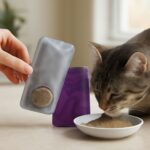
When selecting the best cat food for older cats, consider brands that emphasize high-quality ingredients. Look for options that list a specific source of protein, such as chicken or salmon, as the primary ingredient. Many premium brands offer formulations specifically designed for senior cats that incorporate the nutritional enhancements discussed earlier.
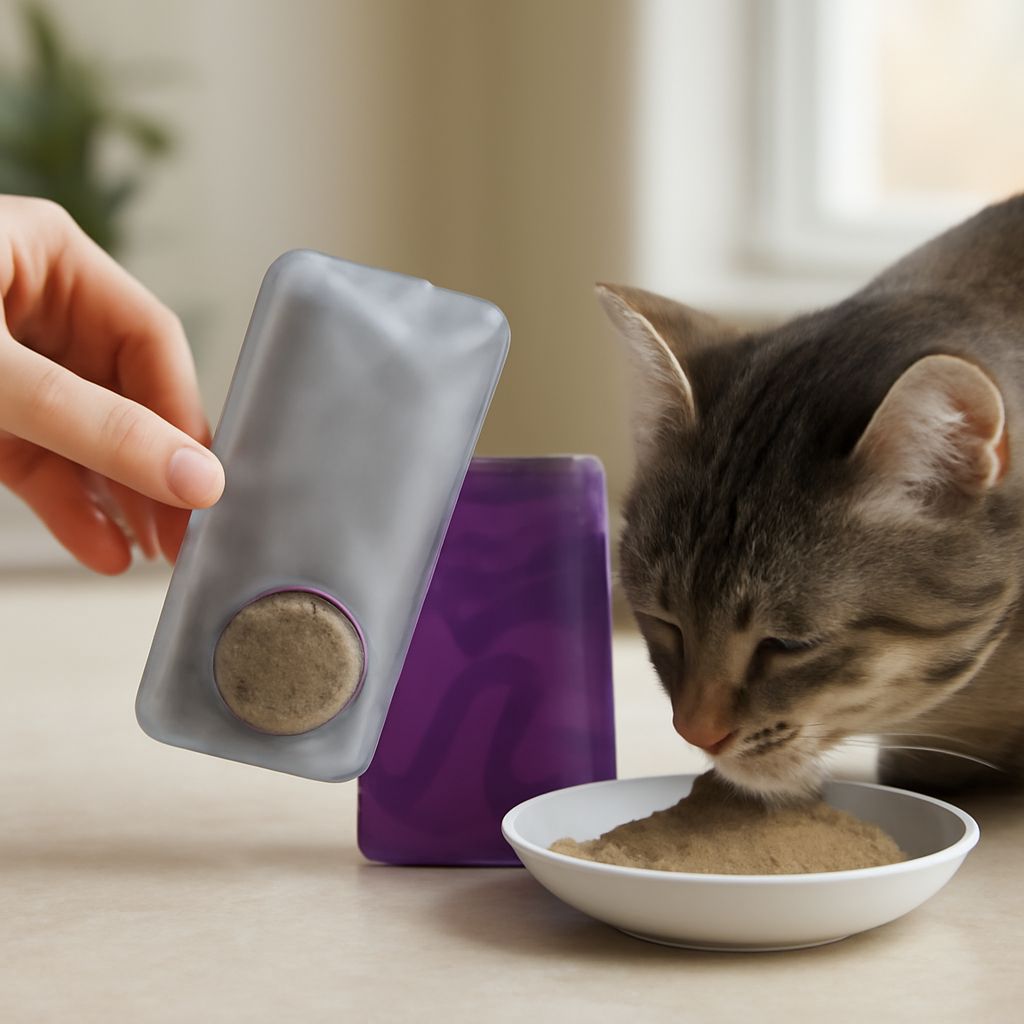
Some top choices include wet foods that provide additional moisture, which supports kidney health and aids in digestion. Dry foods for senior cats often feature smaller kibble sizes, making it easier for cats with dental issues to eat comfortably. Reading labels carefully and consulting with your veterinarian can help you make informed decisions when selecting the perfect diet for your aging feline.
How to Choose the Best Senior Cat Food
Choosing the best senior cat food involves understanding your cat’s individual health needs. Begin by consulting with your veterinarian to assess any dietary restrictions or specific health concerns. From there, evaluate the ingredient list on cat food packaging to ensure the primary components align with your cat’s needs. Prioritize high-quality proteins, whole grains, and natural preservatives.
Consider your cat’s preference between dry and wet food. Some cats prefer the texture and taste of wet food, which also supports hydration. On the other hand, if your cat enjoys the crunch of kibble, ensure it is designed with senior cats in mind. Adjust the portion sizes according to your cat’s activity level and maintain regular feeding schedules to support their metabolism.
Addressing Common Health Issues: Epiphora in Cats
One common health issue in senior cats is epiphora, or excessive tearing, which can lead to a runny eye. Understanding the causes and how to effectively manage this condition is crucial for your cat’s comfort and health.
Causes of Epiphora
Epiphora can result from a variety of underlying causes, including blocked tear ducts, allergies, or infections. Some breeds, particularly those with flat faces, are more prone to this condition due to their facial structure. Identifying the root cause is essential in determining the best course of action.
Managing Cat Runny Eye
Management of epiphora involves regular cleaning of the eye area to prevent irritation and secondary infections. Use a soft, damp cloth to gently wipe away excess moisture. If allergens are a suspected cause, identify and minimize their exposure. In some cases, your veterinarian may recommend specific treatments or dietary changes to alleviate symptoms.
Proper nutrition also plays a role in managing health issues like epiphora. Ensuring your cat receives adequate vitamins and minerals can support their immune system and overall health, potentially reducing the severity of conditions like these.
Key takeaways: Providing the best senior cat food involves understanding the unique dietary needs of aging cats. Focus on high-quality proteins, adequate hydration, and balanced nutrients to support their health. Address common issues like epiphora with proper care and consultation from your veterinarian. Your proactive approach ensures your cat enjoys their golden years in optimal health.