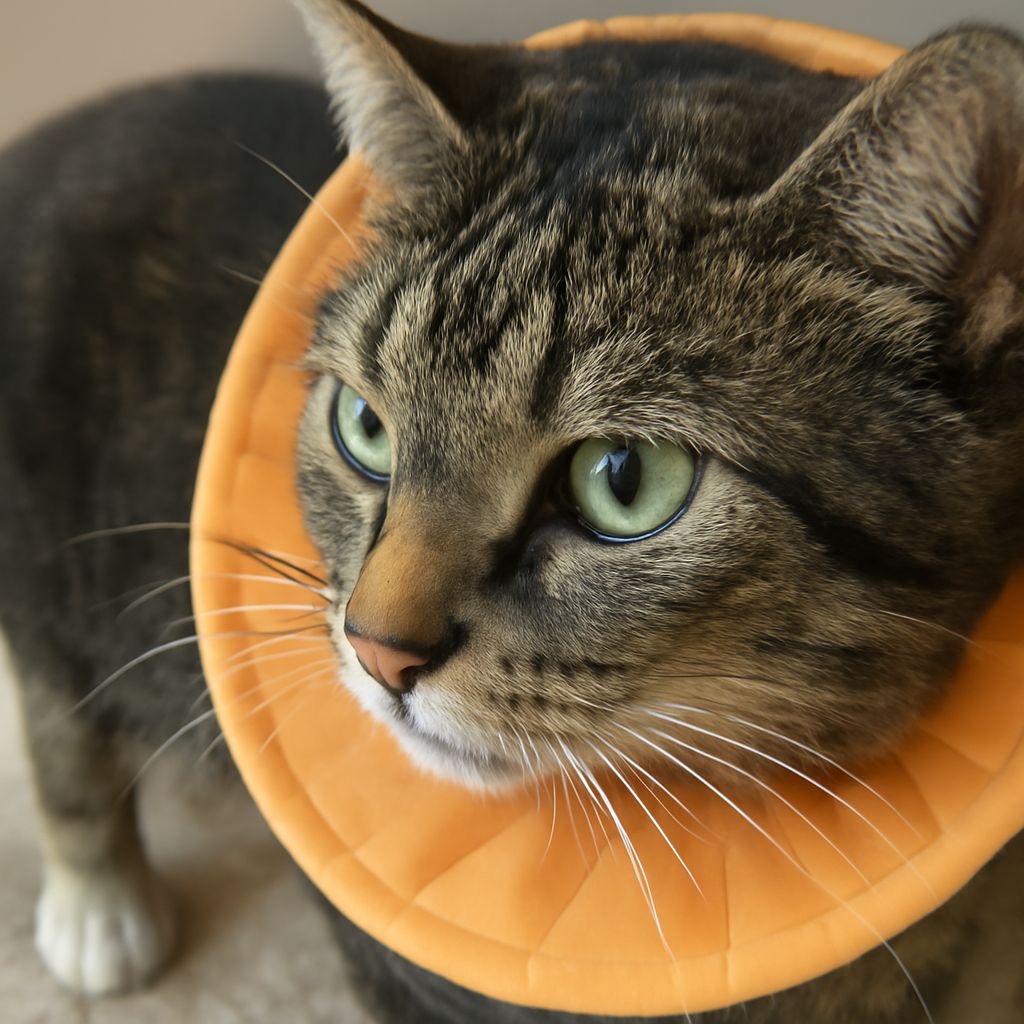
Imagine coming home after a long day, ready to unwind with your cat, only to find them showing signs of discomfort. As you approach, you notice their usually bright eyes now appear red and swollen. Panic might set in as you start wondering what could be wrong. Could it be allergies? An infection? Understanding what causes your cat’s eye to turn red and swollen is crucial for ensuring their health and comfort.
When faced with a cat’s red eye, it’s essential to know how to react. Identifying the cause and knowing whether it’s a situation that requires immediate professional help can make all the difference in your pet’s recovery. This guide will help you navigate the common causes of cat eye redness, what steps to take if you notice your cat has swollen eyes, and how to prevent these issues from recurring.
Understanding Cat Red Eye
Red eye in cats can be unsettling, but it’s not uncommon. This condition usually indicates irritation or inflammation in the eye area. The medical term for a red eye is conjunctivitis, which refers to inflammation of the conjunctiva—the membrane lining the eyelids and covering the eyeball. Recognizing signs like redness, swelling, and discharge can help you determine the severity of the situation. While red eye is often linked to infections, it might also stem from environmental irritants, allergies, or other underlying health issues.
Common Causes of Cat Eye Redness
Several factors can cause redness in your cat’s eyes. Allergies are a frequent culprit, particularly if your cat has been exposed to dust, pollen, or chemicals. Infections, either viral or bacterial, are also common and can lead to symptoms like inflammation and discharge. Physical injuries, such as scratches or foreign objects in the eye, might also trigger redness. Moreover, conditions like glaucoma or uveitis can cause more serious issues, necessitating professional veterinary care.
What to Do If Your Cat Has Swollen Eyes
Swollen eyes in cats should be addressed promptly. Begin by gently cleaning around their eyes with a damp cloth to remove any discharge. Avoid using human eye drops or medications unless specifically directed by a vet, as these can cause further irritation. Monitoring your cat’s behavior and symptoms is crucial; if swelling persists or if the condition worsens, seek veterinary advice immediately. A professional evaluation is essential to rule out infections or injuries that may require specific treatment.
Preventing Redness Around Your Cat’s Eyes
Preventative care can minimize the likelihood of red or swollen eyes in cats. Regularly cleaning your cat’s face can help remove potential irritants. Ensuring your home environment is free from allergens and irritants like tobacco smoke or harsh cleaning chemicals also contributes to eye health. Providing a balanced diet and regular veterinary check-ups can prevent infections and maintain your cat’s overall health. If your cat is prone to allergies, discuss with your vet about possible treatments or preventive measures.
When to See a Vet for Red Eye in Cats
Knowing when to contact a vet is crucial in managing your cat’s eye health. If you observe persisting redness, significant swelling, or any signs of pain or discomfort, it’s time for a professional evaluation. Recurrent eye issues or symptoms associated with other health problems should also prompt a visit to the vet. Prompt diagnosis and treatment can prevent complications and ensure your cat’s swift recovery. Professional advice is invaluable in understanding the root cause of your cat’s red eye and selecting the appropriate treatment.
Safety Recap: Always consult a vet when dealing with eye issues in cats. Avoid using any over-the-counter human eye products on your pet, as these can exacerbate their condition. Regular check-ups and maintaining a clean environment are key to preventing eye problems in your feline friend.