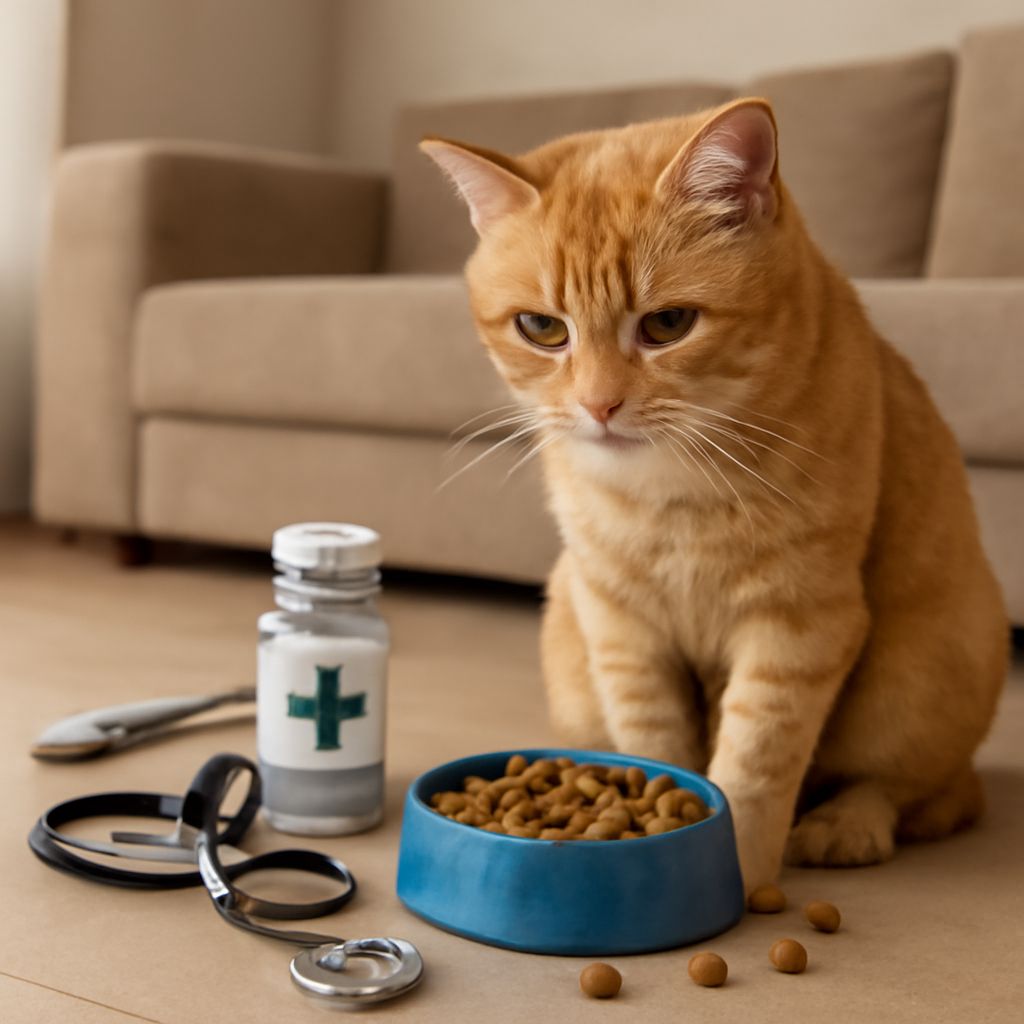
Imagine coming home after a long day, expecting your furry friend to greet you eagerly, only to find that they are disinterested in the food you offer. Your cat is not eating, and naturally, you start to worry. Perhaps you’ve tried different brands of food, but your cat refuses to eat anything you put in its bowl. This situation can be distressing, both for you and your beloved pet. However, understanding the various reasons why your cat isn’t eating can help you address the issue effectively and with compassion.
Common Reasons Why Your Cat Isn’t Eating
Cats can stop eating for several reasons, some of which are fairly benign while others may require immediate attention. Changes in the environment, such as a new pet or moving to a new home, can cause stress that affects your cat’s appetite. Sometimes, a cat doesn’t want to eat simply because the food is stale or unappealing. Even the texture of the food can be off-putting to some cats.
Another common reason is changes in their diet. If you’ve recently switched brands or types of cat food, your pet might be refusing to eat due to the new taste or smell. Cats are creatures of habit, and sudden changes can disrupt their feeding routine.
Medical Issues That Could Lead to Appetite Loss
When your cat refuses to eat persistently, it’s crucial to consider medical conditions that could be affecting their appetite.
Dental Problems
Dental issues are a frequent cause of eating difficulties in cats. If your cat has inflamed gums or tooth pain, it may avoid eating because chewing is painful. Regular dental check-ups are essential to prevent such issues.
Digestive Disorders
Digestive problems such as constipation or inflammatory bowel disease can make your cat feel uncomfortable after eating, leading it to stop eating altogether. Observing your cat’s litter box habits can provide clues to potential digestive issues.
Chronic Illnesses
Chronic conditions like kidney disease, liver disease, or diabetes can lead to a loss of appetite. These illnesses often manifest with other symptoms such as lethargy, increased thirst, or weight loss. If you suspect a chronic condition, it’s important to consult your veterinarian promptly.
Behavioral Reasons Your Cat Refuses to Eat
Some cats may stop eating due to behavioral reasons. Stress and anxiety are significant factors. A change in your household routine, new family members, or even a change in your work schedule can impact your cat’s eating habits. Similarly, if your cat has had a negative experience with a specific food, it may associate that food with discomfort and refuse to eat it again.
Providing a calm and consistent environment can help alleviate these issues, making your cat feel secure enough to eat normally again.
When to Consult a Veterinarian
If your cat is not eating for more than 24 hours, especially if accompanied by other symptoms such as vomiting, diarrhea, or lethargy, it is crucial to seek veterinary care immediately. Cats can develop serious health issues if they go without food for too long, such as hepatic lipidosis, a severe liver condition.
Veterinarians can conduct a thorough examination and run tests to diagnose any underlying issues. Early intervention is vital in preventing more severe complications.
Tips to Encourage Your Cat to Eat
Encouraging your cat to eat might require a few adjustments and some patience. Here are some strategies that can help:
Adjusting the Feeding Environment
Ensure the feeding area is quiet and free from disturbances. Some cats prefer to eat in secluded areas, away from the hustle and bustle of the household. Freshening up their food area by cleaning their bowls and providing fresh food can also be helpful.
Trying Different Foods
Experiment with different flavors or textures to see what your cat prefers. Warming up wet food slightly can also enhance its aroma, making it more enticing. Additionally, you might consider adding a bit of tuna juice or chicken broth to their meals as a flavor enhancer.
If your cat still refuses to eat, consulting your vet about appetite stimulants or supplements might be beneficial.
Next steps: Regular monitoring of your cat’s eating habits and health is essential. Ensure fresh water is always available and maintain a balanced diet suited to their age, weight, and health status. Building a routine can provide a sense of stability that encourages regular eating habits. Always be observant of changes in behavior and consult your veterinarian for tailored advice tailored to your cat’s needs. By being proactive, you can help ensure your cat stays healthy and happy.