You notice your cat panting like a dog and wonder why it’s happening. Is this behavior normal for your feline friend, or should you be concerned? Understanding the reasons behind a cat panting could help you determine whether it’s a sign of distress or a harmless occurrence. In this article, we’ll explore why your cat might be panting and provide guidance on when to take action.
What Is Panting in Cats?
Panting in cats is the rapid, open-mouthed breathing that is commonly seen in dogs, but less so in felines. This behavior can occur due to several reasons, ranging from normal responses to more serious health issues. Unlike dogs, cats do not typically pant to cool down, so observing this in your cat can be more concerning.
Common Causes of Cat Panting
Normal Panting in Cats
While panting is not a common trait in cats, there are instances where it can be considered normal. Cats may pant after intense exercise or excitement. For example, a cat that has been vigorously playing or chasing toys might exhibit panting as it catches its breath. Additionally, a stressed or anxious cat might show mild panting, similar to when introduced to a new environment or during a trip to the vet.
Health Issues Causing Panting
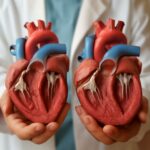
However, if panting in your cat persists or occurs without an apparent reason, it may indicate an underlying health problem. Conditions such as heart disease, respiratory infections, or even asthma could cause your cat to pant. Additionally, overheating, also known as hyperthermia, can lead to panting as the cat attempts to regulate its body temperature. In rarer cases, panting might signal more critical issues like feline hyperventilating due to an obstruction in the airway or a severe allergic reaction.
When to Worry About Your Panting Cat
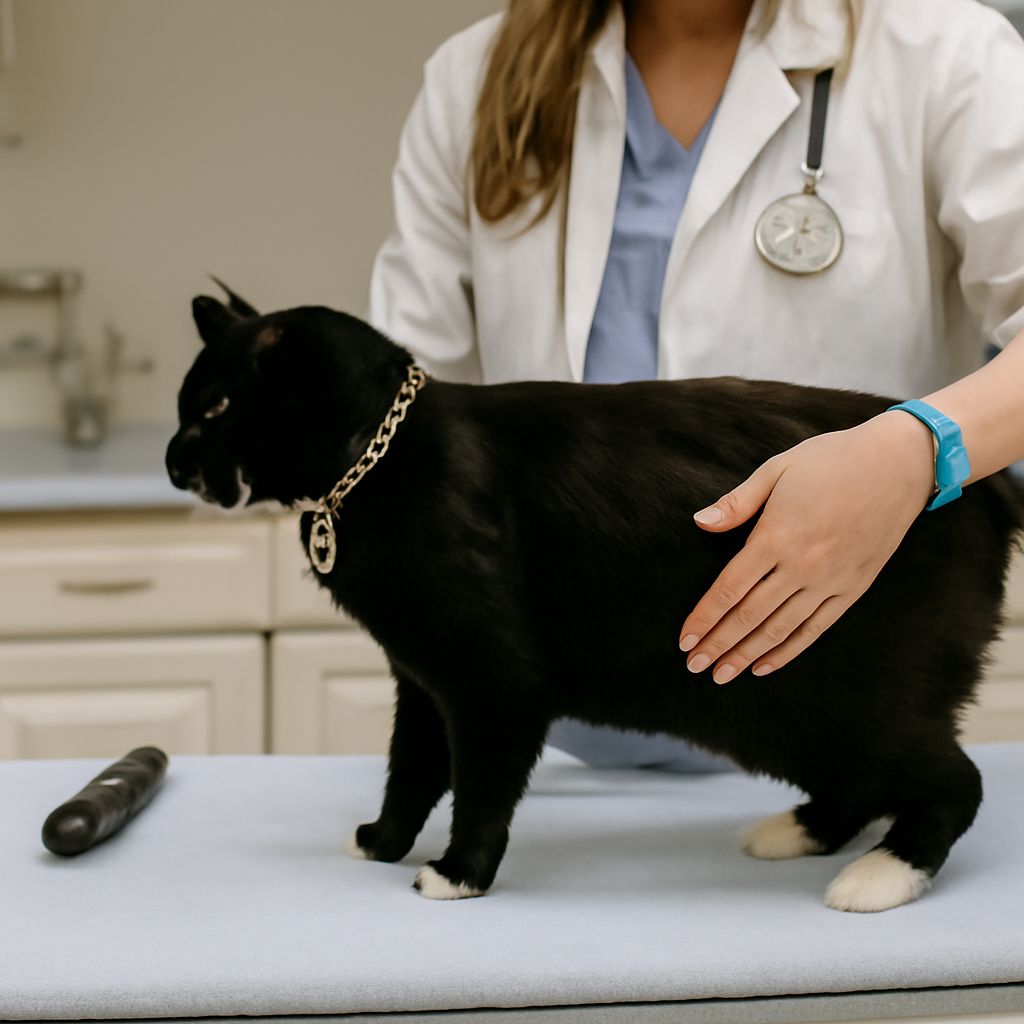
It’s essential to know when to consult a veterinarian about your cat’s panting. If your cat is panting after mild activity, for an extended period, or if the panting is accompanied by other symptoms like lethargy, coughing, or open-mouth breathing, seek veterinary advice. Persistent or severe panting can be a red flag for several health conditions that require prompt attention.
How to Help a Cat Panting Like a Dog
If your cat is panting like a dog, ensure it has a cool and quiet place to rest. Offer fresh water and reduce its stress by minimizing loud noises or sudden changes in the environment. If the panting is due to heat, gently cool your cat with a damp cloth or fan. Always observe your cat for additional signs of distress and consult a veterinarian if the panting does not subside or if you suspect a health issue.
Preventing Cat Hyperventilating
To prevent your cat from reaching a state of hyperventilation, avoid exposing it to extreme temperatures or stressful situations. Ensure that your home environment is comfortable and that your cat has access to plenty of fresh air and water. Regular veterinary check-ups can also help monitor your cat’s health, potentially preventing conditions that might lead to panting or hyperventilation.
Key takeaways: Panting in cats is less common than in dogs, and while it can be normal after exercise or excitement, it could also indicate health issues. Watch for persistent or severe panting and seek veterinary guidance if necessary. Provide a calm, cool environment to help alleviate panting and prevent hyperventilating.