Imagine coming home from a long day, eager to unwind with your feline friend. As you settle into your cozy spot, ready to enjoy some peaceful companionship, you notice something’s off. Your cat, usually playful and energetic, is lethargic and uninterested in their favorite toy. With growing concern, you ponder the best solutions to ease your pet’s discomfort. Could this be a case for digestive enzymes for cats? Understanding the root cause might be your first step toward effective relief.
Common Causes of Cat Digestive Issues
Cats, like their human counterparts, can suffer from a range of digestive issues. Some common causes include dietary indiscretion, where your cat might ingest something inappropriate or new, leading to stomach upset. Parasitic infections, such as worms, can also wreak havoc on your cat’s digestive system. Further complicating matters, food allergies or sensitivities might cause chronic digestive disturbances, manifesting as vomiting or diarrhea. Stress, an often overlooked factor, can also significantly impact digestion, altering your cat’s gastrointestinal balance.
Signs Your Cat May Have Digestive Problems
Recognizing the signs of digestive issues in cats is crucial for timely intervention. Watch for symptoms such as frequent vomiting, changes in stool consistency, or unusual litter box habits. A decrease in appetite or unexplained weight loss can also indicate underlying digestive troubles. Observing your cat’s demeanor is essential; a once energetic cat that becomes lethargic or irritable may be silently suffering from digestive discomfort.
The Role of Digestive Enzymes for Cats
Understanding Digestive Enzymes
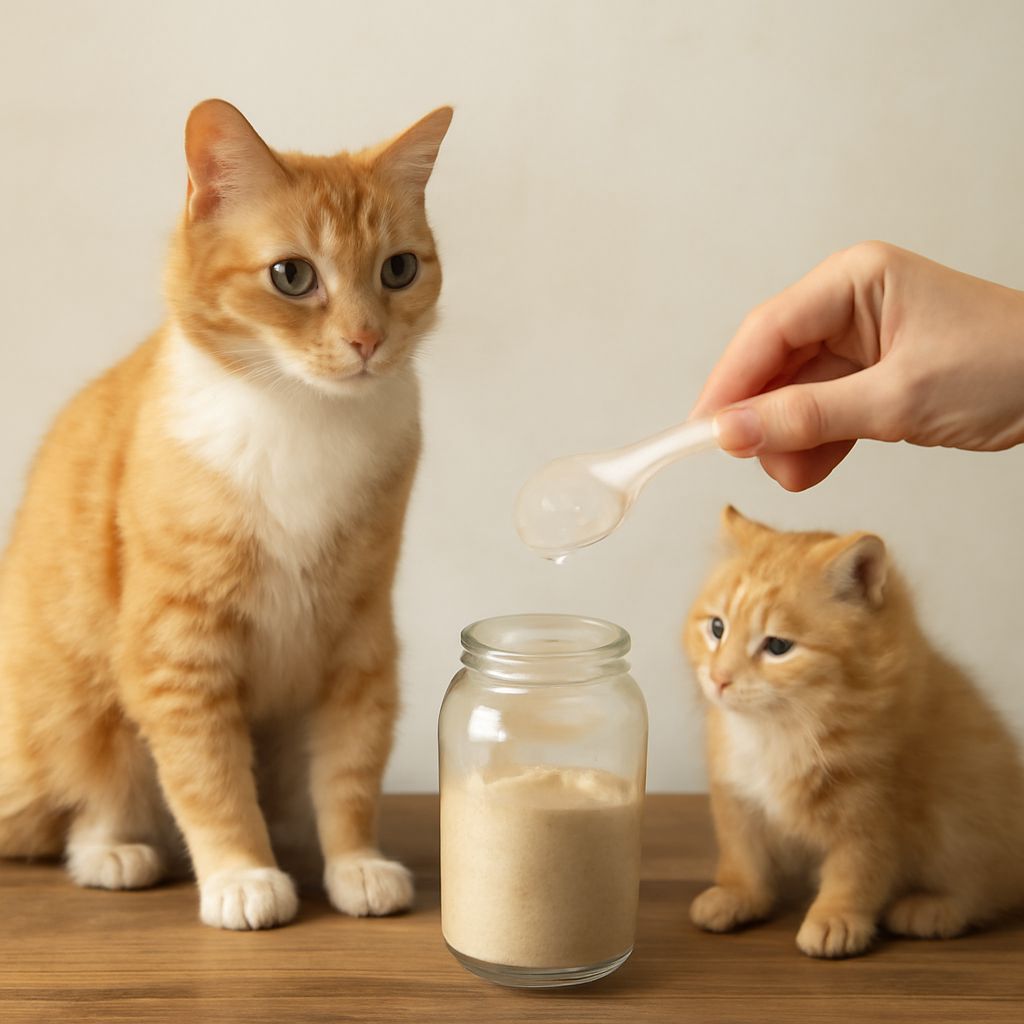
Digestive enzymes are proteins that help break down food into nutrients, enabling absorption into the bloodstream. While cats produce some digestive enzymes naturally, those with digestive challenges may benefit from supplements that aid in breaking down carbohydrates, proteins, and fats more efficiently.
How Digestive Enzymes Help Cats
Supplementing your cat’s diet with digestive enzymes can enhance nutrient absorption and reduce gastrointestinal distress. This can be particularly beneficial for older cats or those with chronic digestive issues, as their natural enzyme production may decrease with age. By facilitating smoother digestion, these enzymes can help your cat return to their playful, energetic self.
Choosing the Best Cat Food for Digestive Problems
Selecting the right cat food plays a pivotal role in managing digestive issues. Opt for high-quality, easily digestible foods that are free from common allergens like grains or artificial additives. Ingredients such as pumpkin or probiotics can support a healthy gut, providing further relief. Consulting with a veterinarian for personalized dietary recommendations can ensure your cat’s specific needs are met, promoting optimal digestive health.
When to Consult a Veterinarian
While managing digestive issues at home can be effective, certain situations necessitate professional intervention. If your cat’s symptoms persist despite dietary adjustments or enzyme supplementation, it may be time to seek veterinary advice. Prolonged vomiting, blood in stool, or a significant change in behavior are red flags that should not be ignored. A vet can conduct necessary tests to diagnose underlying conditions, ensuring your cat receives the appropriate treatment.
Safety Recap: When incorporating new tools like digestive enzymes or altering diet for color care, do so under veterinary guidance to avoid adverse effects and ensure your feline friend’s safety.