
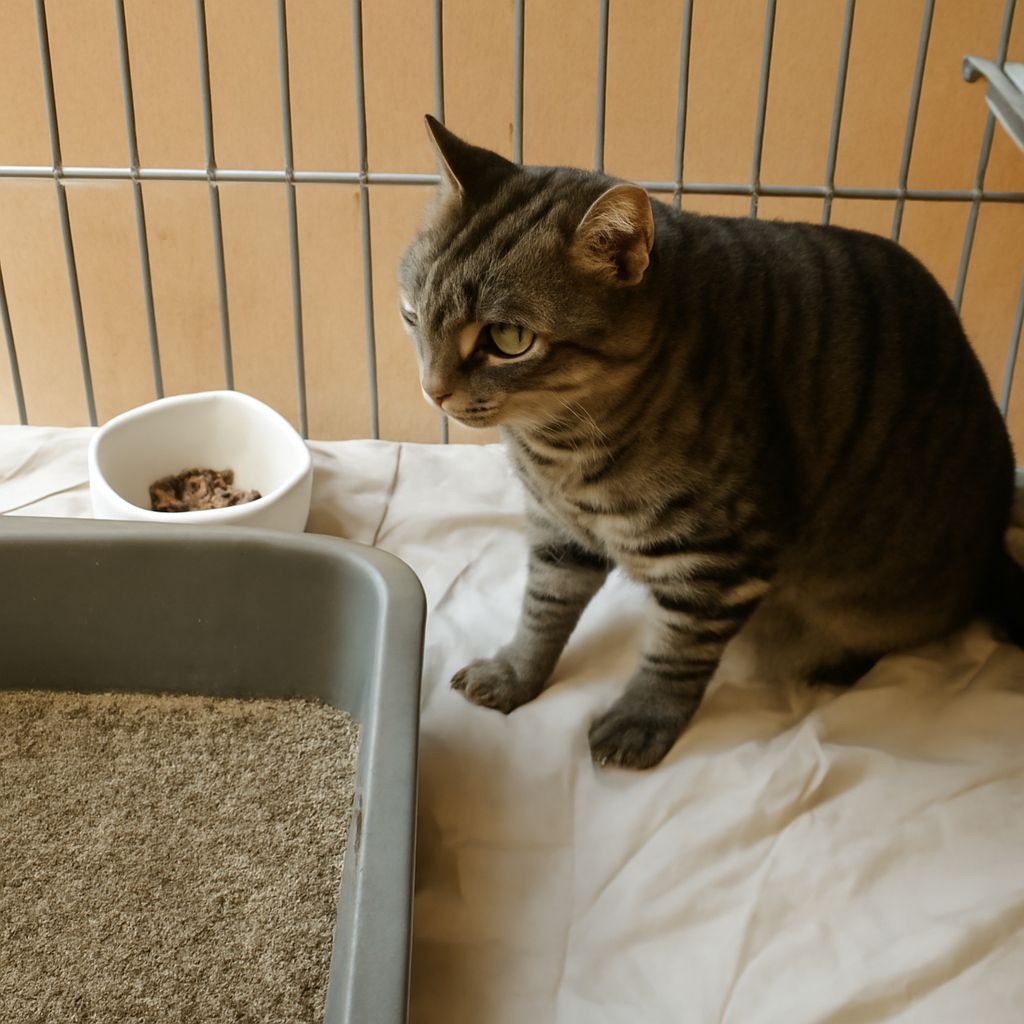
Imagine you’ve just adopted a playful kitten. As you settle into your routine, you notice your cat’s claws leaving marks on furniture and even on your skin. You start pondering declawing a cat to avoid these issues. However, the decision to declaw cats comes with significant considerations. Understanding the procedure, its implications, and the alternatives for declawing a cat can guide you towards making an informed decision.
What Is Cat Declawing?
Cat declawing, medically known as onychectomy, is a surgical procedure that involves the removal of a cat’s claws. This process is not just limited to trimming the claws but includes amputating the last bone of each toe. The claws, along with this bone segment, are permanently removed. While some view it as a solution to avoid damage from scratching, it’s essential to comprehend the full scope of the operation before deciding to declaw a cat.
Reasons for Declawing a Cat
Owners often consider declawing cats to prevent damage to furniture, reduce injury risks to people, and eliminate issues related to aggressive scratching. Some believe that declawing will help maintain a harmonious relationship between the pet and the household. However, it’s vital to weigh these reasons against the potential health impacts on declawed cats and consider whether the benefits truly outweigh the costs.
The Declawing Procedure Explained
Pre-Surgery Preparations
Before the declawing procedure, a comprehensive health examination of the cat is essential. The vet will assess the cat’s overall condition and suitability for the surgery. Blood tests may be conducted to ensure there are no underlying health concerns that could complicate the surgery or recovery.
The Surgical Process
The actual surgery for declawing a cat involves the use of general anesthesia. The veterinarian will surgically remove the claws by amputating the last bone of each toe. This can be performed using a scalpel, laser, or a guillotine-like clipper. Each method has its own repercussions, but all result in the permanent removal of the claw and part of the toe.
Post-Operative Care
After the surgery, post-operative care is crucial. Pain management is a priority, and cats typically require medication to alleviate discomfort. The healing process involves monitoring the surgical sites for signs of infection or complications. It is important to provide a soft, clean environment to prevent further injury during recovery.
Health Implications of Declawing Cats
Declawing a cat can lead to several health issues. Without claws, a cat loses its primary means of defense and balance. This can result in behavior changes, such as increased biting. Additionally, the surgery can cause chronic pain, lameness, or arthritis due to the altered structure of the feet. It is essential to consider these potential long-term health impacts before deciding on the procedure.
Alternatives to Declaw Cats
There are numerous alternatives to avoid declawing a cat while managing scratching behavior effectively. Providing scratching posts can redirect their natural instincts. Regular trimming of the claws and the use of claw covers can minimize damage. Behavioral training and environmental enrichment can also help in easing the scratching issues without resorting to surgical measures.
Is Declawing a Cat Ethical?
The ethics of declawing a cat are widely debated. Many animal welfare organizations and veterinarians argue against declawing due to the pain and potential for behavioral issues it can cause. The procedure is banned or restricted in several regions due to these concerns. Considering a cat’s quality of life and the irreversible nature of declawing is crucial when evaluating the ethics of the procedure.
Next steps: If you’re considering declawing, take time to explore all potential alternatives and consult with veterinary professionals. Weigh the pros and cons carefully, and prioritize care and maintenance routines that support your cat’s health and well-being. Your decision should ultimately aim for a harmonious balance between the needs of your household and the welfare of your feline companion.