Imagine coming home after a long day, eager to relax with your feline companion, only to notice something amiss. Your cat sounds congested, their purrs seem muffled, and there’s a noticeable sniffling accompanying their breathing. Concerned, you wonder if it’s a simple case of the sniffles or something more serious. Understanding the reasons behind your cat’s congestion and how to implement a cat stuffy nose home remedy can be crucial in such situations. Let’s delve into the possible causes and solutions.
Understanding Why Your Cat Sounds Congested
When your cat sounds congested, it can be worrying, yet it’s not an uncommon issue. Congestion in cats can occur due to several reasons, ranging from benign to more severe health concerns. Recognizing the root cause is essential to providing the appropriate care, ensuring your furry friend is back to their playful self in no time.
Common Causes of Congestion in Cats
The causes of congestion in cats can vary widely. One of the most prevalent reasons is allergies, which can cause your cat’s nasal passages to become blocked. Another common cause is a respiratory infection, such as feline viral rhinotracheitis or cat flu, which can lead to symptoms like sneezing and congestion.
Aside from infections and allergies, foreign bodies, such as grass or dust, can irritate your cat’s nasal passages. In some cases, dental problems can also result in congestion due to infections spreading to the nasal area. Identifying the underlying issue is the first step towards effective treatment.
Identifying the Symptoms of Cat Congestion
To determine if your cat is experiencing congestion, observe their behavior and physical symptoms. A congested cat may exhibit signs such as persistent sneezing, coughing, or labored breathing. Additionally, you might notice a discharge from their nose or eyes, which can range from clear to a thick mucus-like consistency.
Another indicator of congestion is a change in your cat’s vocalizations. If their purr sounds congested, or if they seem to be snoring more than usual, these could be signs of nasal blockage. Being vigilant about these symptoms can help you decide when to seek veterinary care or try at-home remedies.
Effective Home Remedies for a Stuffy Nose in Cats
When treating a stuffy nose in cats, several home remedies can provide relief. One simple approach is to use a humidifier to add moisture to the air, which can help reduce nasal congestion. Alternatively, you can create a steamy environment in your bathroom by running a hot shower and allowing your cat to breathe in the steam, which can help clear their nasal passages.
Another effective remedy is to gently clean any nasal discharge with a damp cloth, ensuring that your cat’s nose remains unobstructed. Offering your cat warm, aromatic foods can also encourage eating, which is crucial for maintaining their strength during recovery.
How to Treat a Cat Abscess at Home
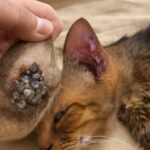
While an abscess may not directly cause nasal congestion, it’s essential to address any health issues that could impact your cat’s overall well-being. Treating an abscess at home requires careful attention and cleanliness. Begin by gently cleaning the area with warm water to remove any pus or debris.
Applying a warm compress can help to soothe the area and promote drainage, reducing swelling and discomfort. However, if the abscess does not improve or worsens, consulting a veterinarian is crucial to prevent complications and ensure proper healing.
In conclusion, while a cat sounding congested can be concerning, understanding the potential causes and symptoms can help you administer appropriate care. Whether it’s implementing a cat stuffy nose home remedy or addressing other health issues, being proactive can significantly impact your cat’s recovery process.
Pro tips recap: Monitor your cat’s symptoms closely to determine the cause of congestion. Utilize home remedies like humidifiers and steam for relief, and ensure your cat’s overall health by addressing issues such as abscesses promptly. Always consult with a veterinarian if symptoms persist or worsen.