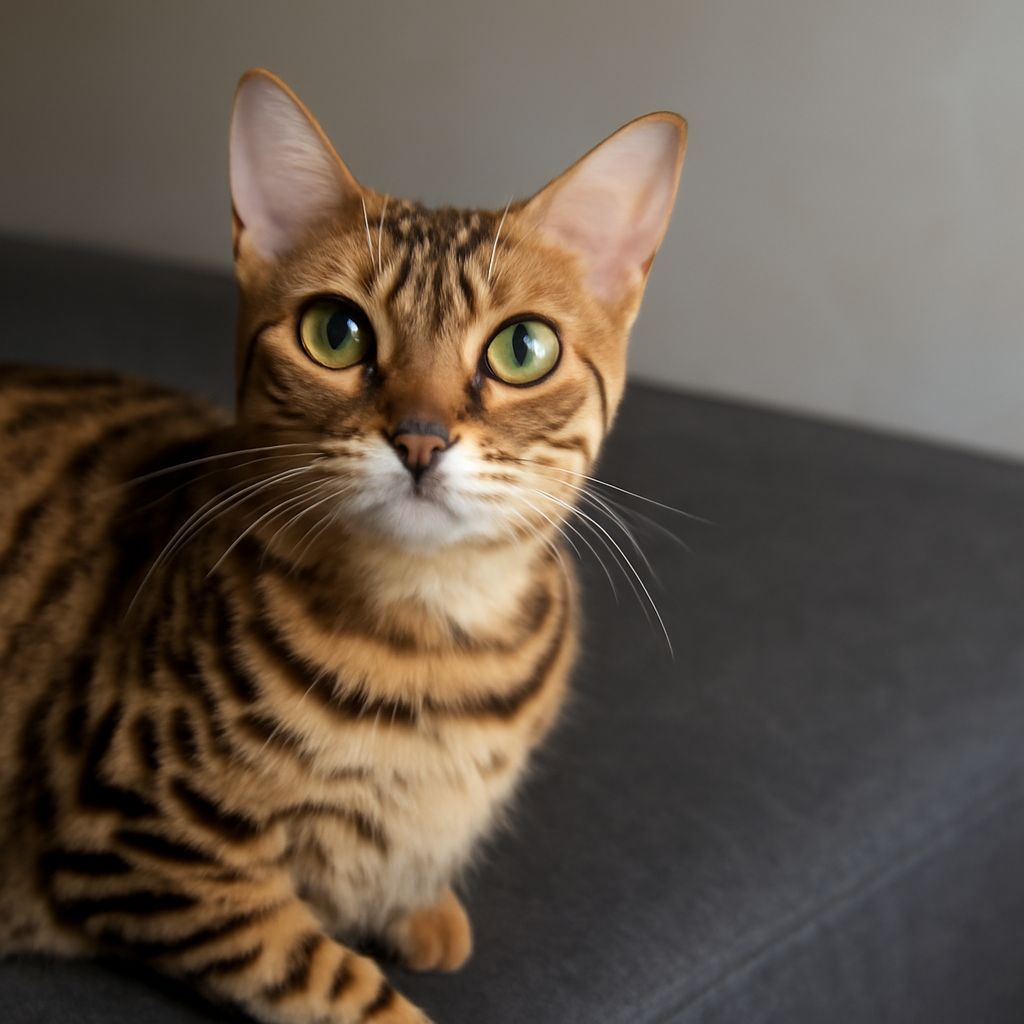
Imagine walking into a serene room filled with the gentle hum of purring cats. You notice a plush couch where a personable grandpa cat lounges, observing the scene with wise eyes. In one corner, a therapy cat for anxiety nuzzles a young woman, who visibly relaxes in its calming presence. Across the room, a unique crag cat stretches, showcasing its sleek form—a breed renowned for its therapeutic qualities. You find yourself curious about the benefits of such feline interventions, including the intriguing radioactive iodine therapy for cats. Welcome to the world of cat physical therapy, where stress and anxiety are gently whisked away with the help of these magnificent creatures.
Understanding Cat Physical Therapy
Cat physical therapy is an area focused on using feline companionship and specific physical interventions to enhance mental and emotional well-being. Unlike traditional medical treatments, this therapy relies on the natural calming influence cats have on humans to reduce stress and anxiety. Cats, with their gentle nature and soothing purrs, can provide a sense of comfort and security to those in need of solace.
Through various activities, such as grooming, play, or simple companionship, therapy cats can help people build a stronger emotional resilience. These activities are not just beneficial for humans; they also ensure that the cats remain active and healthy, creating a symbiotic relationship.
Benefits of Radioactive Iodine Therapy for Cats
Radioactive iodine therapy for cats is a specialized medical treatment that goes beyond its primary purpose of treating hyperthyroidism. This intervention has additional benefits that contribute to the overall wellness of cats, making them more effective in their therapeutic roles. By improving the health of the cat, the therapy indirectly enhances their ability to provide emotional support to their human companions.
After successful treatment, cats often display increased vitality and a more stable mood, which can be crucial for maintaining their calming presence. This therapy also highlights the importance of regular veterinary care as an integral part of ensuring that therapy cats can perform their roles without limitations.
The Role of Grandpa Cat in Therapy
The grandpa cat is a term affectionately used to describe older cats known for their wisdom and calm demeanor. These seasoned felines often serve as therapy cats because of their naturally relaxed temperament. Their age and experience provide them with a unique ability to connect with humans who are dealing with stress and anxiety.
Grandpa cats are particularly effective in therapeutic settings because their steady presence can have a grounding effect. They often become the gentle leaders of therapy groups, guiding both humans and other cats towards a state of calm. Their ability to remain serene in various situations makes them invaluable in reducing anxiety levels for those around them.
Crag Cat: A Unique Breed for Therapy
The crag cat, known for its distinctive appearance and friendly nature, has emerged as a favored choice in the realm of cat therapy. This breed is appreciated for its adaptability and the ease with which it forms bonds with humans. Known for their striking fur patterns and robust health, crag cats are well-suited to handle the demands of being therapy animals.
In therapy scenarios, crag cats exhibit a unique ability to sense human emotions, often providing comfort with a gentle nuzzle or a soft paw. Their presence can be especially reassuring for individuals who struggle with anxiety, as the crag cat’s intuitive nature and gentle disposition help to alleviate tension and foster a sense of peace.
Therapy Cats for Anxiety: Finding the Right Match
Choosing the right therapy cat for anxiety relief involves understanding the specific needs and preferences of the individual seeking therapy. A successful match can significantly impact the effectiveness of the therapy, providing a tailored approach to stress reduction.
While some might benefit from the tranquil presence of a grandpa cat, others may find solace in the playful nature of a crag cat. It’s important to consider factors such as the individual’s lifestyle, the cat’s temperament, and the nature of the anxiety being addressed. Collaboration with a professional who specializes in animal-assisted therapy can also be beneficial in ensuring that the match is both emotionally and practically suitable.
Pro tips recap: When exploring cat physical therapy options, consider the specific qualities of each cat, such as the health benefits from radioactive iodine therapy or the calming influence of a grandpa cat. Remember that the unique characteristics of breeds like the crag cat can enhance therapy effectiveness. Always prioritize the well-being of both the humans and the cats involved to create a harmonious and healing environment.