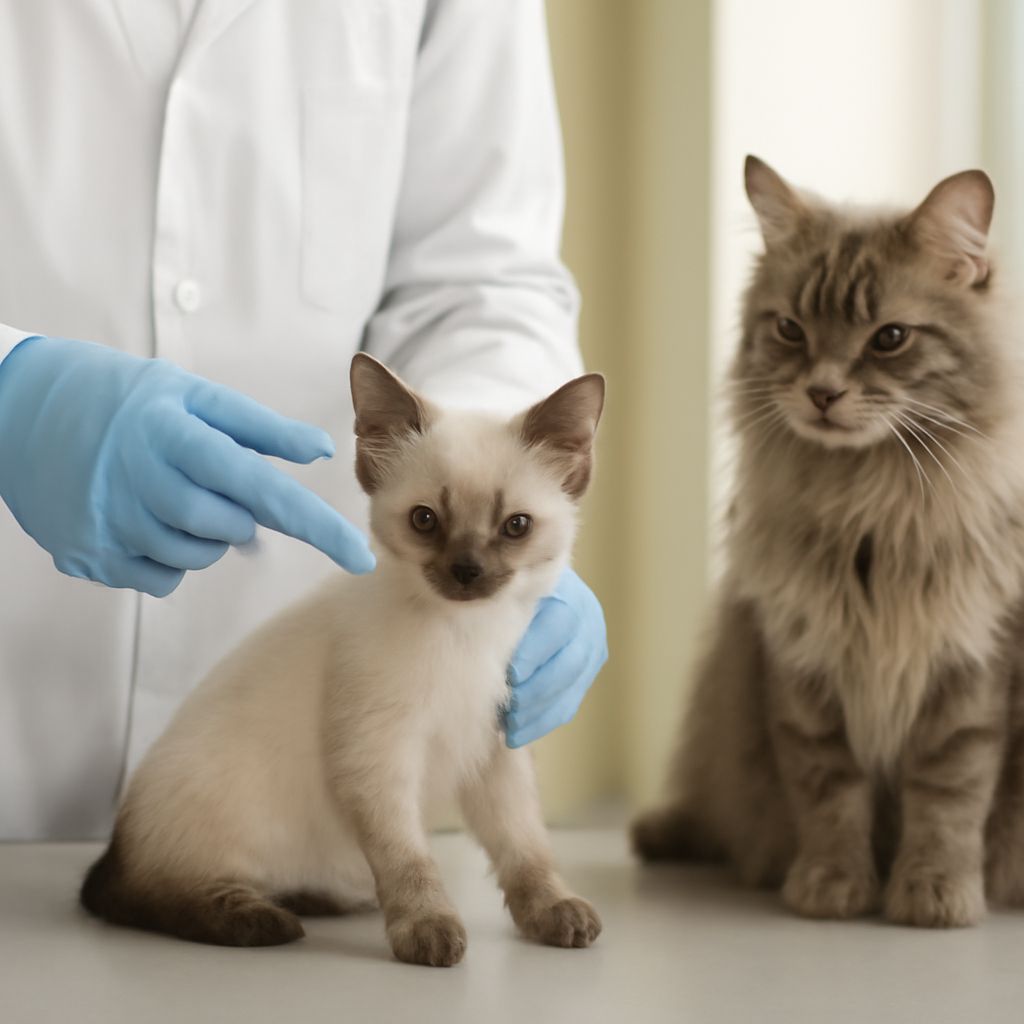
As a diligent cat owner, you’ve always prioritized the health of your feline friends. Understanding that vaccinating against rabies is crucial to keep your pet safe, you schedule an appointment with your veterinarian. You’re aware that like any medical procedure, there might be side effects. Hence, knowing the potential rabies vaccine for cats side effects becomes a top priority before the big day.
Once you arrive at the vet, you can’t help but wonder how your cat will react to the rabies vaccine. Will there be immediate reactions, or are there any longer-term effects to watch for? Learning about the side effects of rabies vaccine in cats is essential to ensure you’re prepared to offer comforting care to your beloved pet.
Understanding the Rabies Vaccine for Cats
The rabies vaccine is a critical tool in preventing the spread of this deadly virus to both animals and humans. For cats, receiving this vaccination is not only a measure of protection but also a legal requirement in many regions. The vaccine works by stimulating the cat’s immune system to produce antibodies against the rabies virus, preparing them to fight off potential infections.
Most veterinarians recommend that kittens receive their first rabies vaccination at around three to four months of age, with boosters given periodically to maintain immunity. While the vaccine is generally safe, understanding the potential for side effects can help you monitor your pet’s health post-vaccination.
Common Side Effects of Rabies Vaccine in Cats
After receiving the rabies vaccination, some cats may experience mild and temporary side effects. These common side effects include mild fever, lethargy, and a slight decrease in appetite. Your cat might also develop a small swelling at the injection site, which typically resolves within a few days.
It is not unusual for cats to feel a bit under the weather after vaccination, as their body is working to develop immunity against rabies. These reactions are normal and should not cause undue alarm. However, monitoring your pet closely during this time is essential to ensure they are comfortable and recovering well.
Rare Side Effects of Rabies Vaccine for Cats
While uncommon, some cats might experience rare side effects after receiving the rabies vaccine. These can include allergic reactions, which may present as hives, facial swelling, or difficulty breathing. In very rare instances, cats may develop a more serious reaction known as anaphylaxis, which requires immediate veterinary attention.
Another rare, yet notable, side effect is the development of vaccine-associated sarcomas, a type of tumor that can occur at the injection site. Although this is rare, being vigilant about monitoring the injection site for any persistent lumps or abnormalities is wise.
Managing Rabies Vaccine Side Effects in Cats
To manage the common side effects of the rabies vaccine in cats, providing a calm and quiet environment for your pet to rest is beneficial. Ensure they have access to fresh water and their usual meals, observing their behavior and appetite closely.
If your cat appears uncomfortable or if a reaction seems more severe than expected, contact your veterinarian. They may recommend over-the-counter remedies or specific treatments to alleviate symptoms and ensure your cat’s recovery is smooth and stress-free.
When to Consult a Veterinarian
If you notice any severe or prolonged symptoms in your cat after vaccination, it is crucial to consult your veterinarian promptly. Symptoms such as persistent vomiting, difficulty breathing, or extreme lethargy should be addressed immediately. Your vet can provide guidance and further evaluate your cat’s condition to ensure their health and safety.
Routine check-ups and communication with your veterinarian are essential components of responsible pet ownership, allowing you to stay informed and proactive about your cat’s health needs.
Safety recap: The rabies vaccine is vital in protecting your cat from a life-threatening disease. While side effects are generally mild, knowing how to manage them and when to seek veterinary assistance ensures the health and well-being of your furry companion.