Imagine you’re at the vet with your feline friend, contemplating a decision that could potentially alter their quality of life forever. The vet explains the procedure, but your mind is racing with questions: Is declawing cats bad? Does declawing a cat hurt them? As you sift through emotions and ethical dilemmas, you realize you need to understand the full picture before making such a significant decision.
You’ve heard varying opinions from friends and online forums, but the core question remains: Why should you not declaw your cat? While considering the impact on your pet’s health and well-being, you start exploring alternative solutions to declawing that could help maintain harmony at home without compromising your cat’s dignity or safety.
The Basics: What Is Declawing?
Declawing, also known as onychectomy, is a surgical procedure that involves the removal of a cat’s claws by amputating the last bone of each toe. This is not merely a nail trim; it is a significant surgical intervention. Often, declawing is performed to prevent cats from scratching furniture or humans, but it’s essential to grasp what this surgery truly entails.
While it may seem like a simple fix for unwanted scratching behavior, the procedure involves removing the claws along with the bone segment, which can be equated to cutting off a human finger at the last knuckle. Understanding this sheds light on why many advocate against declawing cats.
Is Declawing Cats Bad for Their Health?
The health implications of declawing are significant. Cats can suffer from chronic pain, which may not always be immediately visible to the owner. This pain can lead to long-term health problems such as arthritis. Furthermore, the procedure can cause complications like lameness, infection, and tissue necrosis.
Beyond the physical consequences, declawing can also have psychological effects on your pet. Without claws, cats may feel vulnerable, leading to increased stress and anxiety. This can manifest as behavioral changes, including aggression or withdrawal, which are often mistaken for personality shifts.
Does Declawing a Cat Hurt Them?
Many wonder, does declawing a cat hurt them? The answer is yes. The procedure itself is painful, and the recovery period can be uncomfortable and distressing for the cat. Pain management is crucial during this time, but even with medication, the discomfort cannot be fully eradicated.
Cats are known for masking pain, so it can be challenging for owners to assess their feline’s discomfort effectively. It’s important to consider that the pain might persist long after the surgery, affecting the cat’s ability to jump, play, and engage in normal activities.
Why You Should Not Declaw Your Cat
There are several compelling reasons why you should not declaw your cat. Ethical considerations play a significant role, as the procedure is viewed as inhumane by many veterinary professionals and animal welfare organizations.
Declawing removes a cat’s primary means of defense. In situations where a cat might escape outdoors, being declawed significantly reduces their ability to climb and protect themselves from predators. This loss of a natural defense mechanism is a strong argument against the procedure.
Moreover, declawing can lead to behavior problems. Cats may develop an aversion to litter boxes due to the pain in their paws, leading to inappropriate elimination. Additionally, some declawed cats may become more aggressive, using biting as their primary form of defense.
Alternative Solutions to Declawing
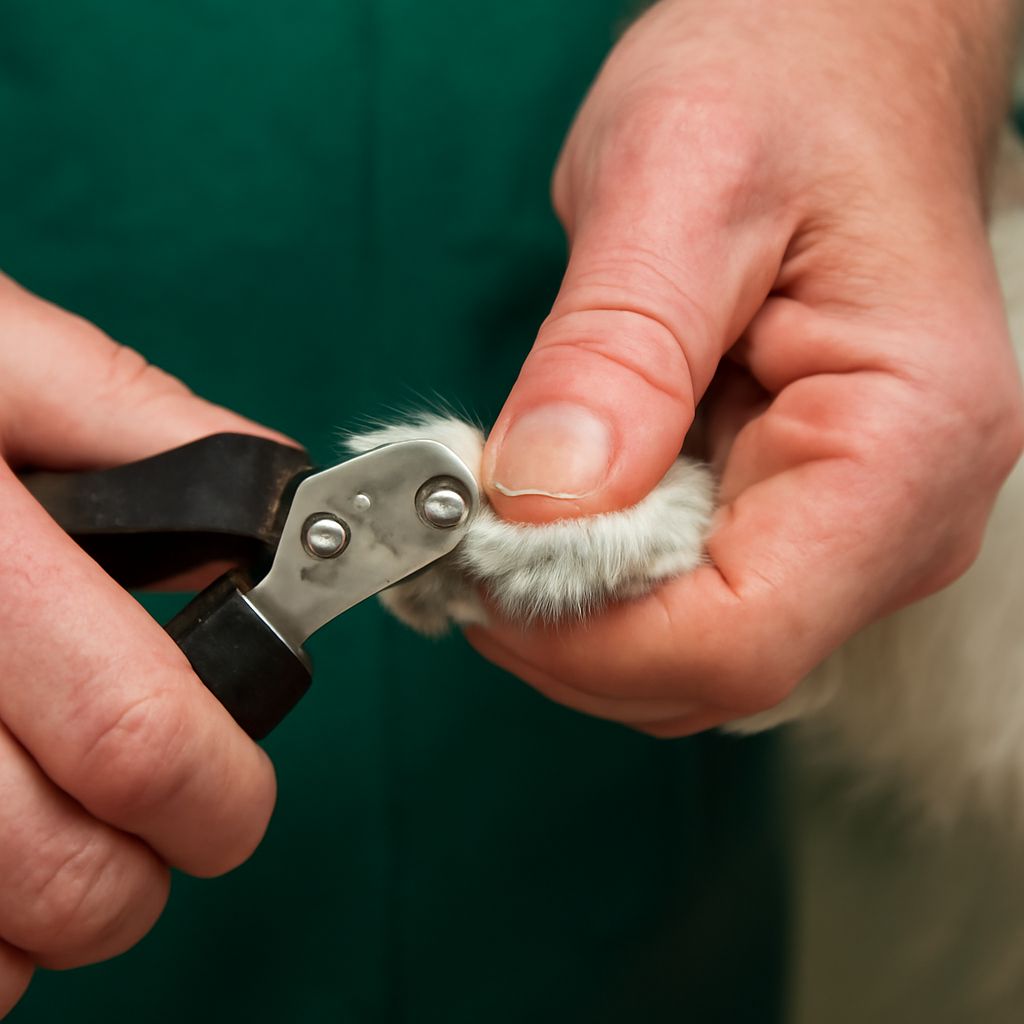
Fortunately, there are several alternatives to declawing that can help you maintain a scratch-free home without compromising your cat’s well-being. Regular nail trims are a straightforward and humane way to manage claw length and minimize damage.
Providing appropriate scratching posts and pads can also divert your cat’s attention away from furniture. Ensuring these scratching surfaces are stable and appealing to your cat is key. Additionally, using deterrents like double-sided tape or specialized sprays on furniture can discourage scratching in unwanted areas.
Soft nail caps are another viable option. These are small plastic caps that are glued onto the cat’s nails, preventing damage while allowing natural scratching behavior. They are safe and need to be replaced every few weeks as nails grow.
Pro tips recap: Before considering declawing, explore more humane alternatives like nail trims, scratching posts, and soft nail caps. Understand the potential health risks and behavioral changes associated with declawing, as well as its ethical implications. Prioritize your cat’s well-being and maintain a safe, comfortable environment for your feline companion.