
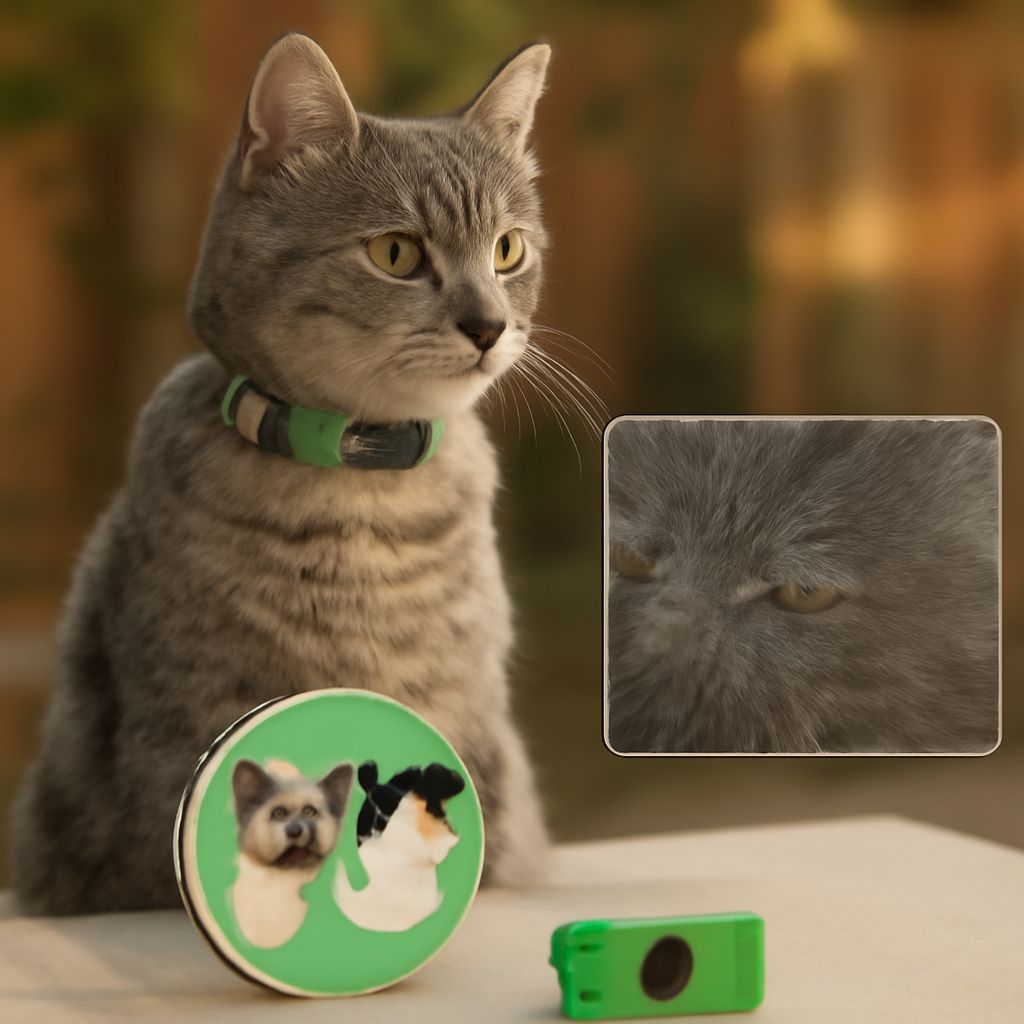
Imagine this: you’ve just adopted a playful kitten, and you’re eager to provide the best care possible. One evening, as you browse through pet supplies, you notice various flea collars and wonder, “Are flea collars safe for cats?” You’ve heard mixed reviews, and as a responsible pet owner, you want to ensure your new friend’s safety. Additionally, you’re curious about other household items — are ferns safe for cats? And what about the bromeliad you’ve been eyeing for your living room? This guide will help navigate these questions, so you can make informed decisions.
Introduction to Flea Collars
Flea collars have long been a popular choice among pet owners looking to protect their cats from pesky fleas. These collars are designed to release active ingredients over time, which can kill or repel fleas. However, the effectiveness and safety of flea collars can vary depending on several factors, including the type of collar and the specific needs of your cat.
Are Flea Collars Safe for Cats?
When considering flea collars for your feline friend, safety is paramount. Generally, flea collars are safe for cats when used according to the manufacturer’s instructions. However, it’s crucial to be aware of potential reactions. Some cats may experience skin irritation or allergic responses to the chemicals in flea collars. Monitoring your cat for any signs of discomfort or adverse reactions is essential. In some cases, consulting with a veterinarian can provide additional guidance on whether a flea collar is suitable for your cat.
Do Flea Collars Work on Cats?
The effectiveness of flea collars in eliminating fleas on cats can depend significantly on the collar’s type and quality. High-quality flea collars can offer continuous protection for several months, effectively reducing flea infestations. However, not all flea collars are created equal. It’s beneficial to research and select collars that have been proven to work effectively in targeting fleas at various life stages. Additionally, for severe infestations, combining flea collars with other flea treatments may enhance overall effectiveness.
Common Household Plants: Are Ferns Safe for Cats?
Beyond flea control, ensuring a safe home environment involves considering the plants you have around your house. Ferns are commonly found in many homes, but are they safe for cats? Most true ferns, like the Boston fern, are non-toxic to cats, making them a safe choice for households with feline companions. Nonetheless, pet owners should always verify the specific type of fern before bringing it home, as some plants bearing the name ‘fern’ might not be safe.
Bromeliad and Tomato Plant Safety for Cats
When it comes to other popular plants like bromeliads, the good news is that they are generally safe for cats. These vibrant plants add beauty to any space without posing significant risks to curious felines. However, it’s still wise to keep an eye on your cat to ensure they don’t chew on the leaves, as ingesting plant material can sometimes lead to mild stomach upset.
On the other hand, tomato plants should be approached with caution. While the ripe fruit is not harmful, the green parts of the plant — stems, leaves, and unripe tomatoes — contain tomatine, which is toxic to cats if ingested in large amounts. If you have a garden or keep tomato plants indoors, ensure they are out of reach from your cat to prevent any potential health issues.
Next steps: Now that you have a clearer understanding of flea collar safety and household plant risks, consider what measures you need to take to keep your cat safe. Regularly monitoring flea treatments’ effectiveness and periodically consulting with a veterinarian are good practices. Additionally, ensuring your plants are non-toxic can help maintain a safe environment for your feline friend.