Imagine you’re sitting comfortably on your couch, watching your dog and cat engage in their amusing daily antics. But you notice your dog sneezing frequently, with watery eyes, particularly after interacting with the cat. Could it be possible that your dog is allergic to your cat? You might wonder if this scenario is real or just an internet myth. Understanding how a dog can be allergic to a cat can help you address any discomfort your furry friend might be experiencing due to their unexpected allergies.
As a pet owner, you might also find yourself questioning whether cats can be allergic to dogs. It seems almost counterintuitive, yet, like humans, pets can develop allergies to one another. This article will explore the facts surrounding canine allergies to cats, and feline sensitivities to dogs, and provide tips on managing such situations.
Understanding Pet Allergies
Pet allergies occur when an animal’s immune system overreacts to certain proteins found in other animals. These proteins are usually present in skin cells, saliva, or dander. When a dog develops an allergic reaction to a cat, it’s often due to exposure to these specific proteins. Similarly, cats can become allergic to dogs due to similar allergens.
Allergies in pets can manifest in ways similar to human allergies, including skin irritations, respiratory issues, and digestive problems. It’s crucial to observe your pets closely to identify any signs of discomfort or unusual behavior that might indicate an allergic reaction.
Can Dogs Be Allergic to Cats?
Yes, it is indeed possible for dogs to be allergic to cats. When a dog is allergic to a cat, its immune system mistakenly identifies the cat’s dander or other proteins as harmful, triggering an allergic response. This response can vary from mild to severe, depending on the dog’s sensitivity and the level of exposure to the allergen.
If you suspect your dog has developed allergies due to your cat, monitoring the interactions between your pets is key. Paying attention to when and how your dog shows symptoms can help you and your veterinarian determine if your dog might be allergic to the cat.
Symptoms of Dog Allergic to Cat Interactions
Symptoms of a dog allergic to cat interactions can vary widely. Common signs include sneezing, itchy skin, and watery eyes. Some dogs may also exhibit more severe symptoms like difficulty breathing or persistent ear infections. It’s important for pet owners to recognize these symptoms promptly to provide relief and prevent further complications.
Regularly cleaning your home and ensuring your pets are well-groomed can help reduce the presence of allergens. If symptoms persist, consulting with a veterinarian can provide a more targeted approach, including allergy testing and potential treatments.
Can Cats Be Allergic to Dogs?
Just as dogs can be allergic to cats, cats can also develop allergies to dogs. The allergens responsible are typically proteins found in a dog’s skin cells, saliva, or even urine. If your cat shows signs such as excessive grooming, sneezing, or skin rashes after being near a dog, allergies could be the culprit.
It’s essential to observe your cat’s behavior and health closely, particularly after interactions with dogs. Keeping a record of any symptoms can be beneficial when discussing potential allergies with your veterinarian.
Managing Allergies Between Pets
Managing allergies between pets requires a combination of observation, environment control, and veterinary guidance. Start by maintaining a clean home to reduce allergens. Regularly vacuum carpets and clean furniture where pets spend a lot of time. Using air purifiers can also help minimize airborne allergens.
In addition to environmental controls, consider implementing regular grooming routines for both pets. Bathing your dog can help reduce the spread of allergens to your cat, and vice versa.
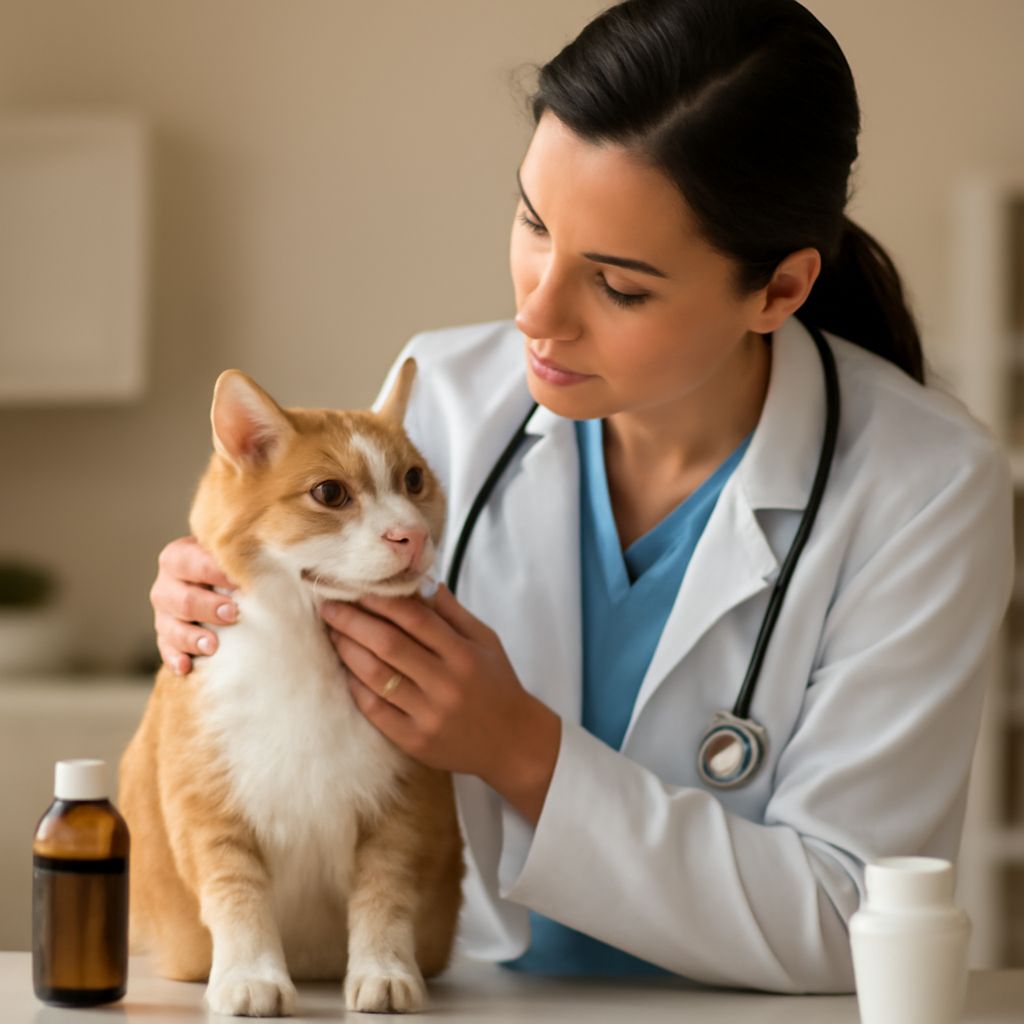
If environmental changes don’t alleviate the symptoms, seeking veterinary advice is crucial. A vet may recommend allergy testing to pinpoint specific allergens, and in some cases, medication or specialized diets can help manage the symptoms effectively.
Key takeaways: Pet allergies between cats and dogs are possible and can cause discomfort for your furry friends. Recognizing symptoms and taking proactive steps to manage their environment can greatly reduce the impact of these allergies. Always consult a veterinarian for a tailored approach to your pets’ health needs.