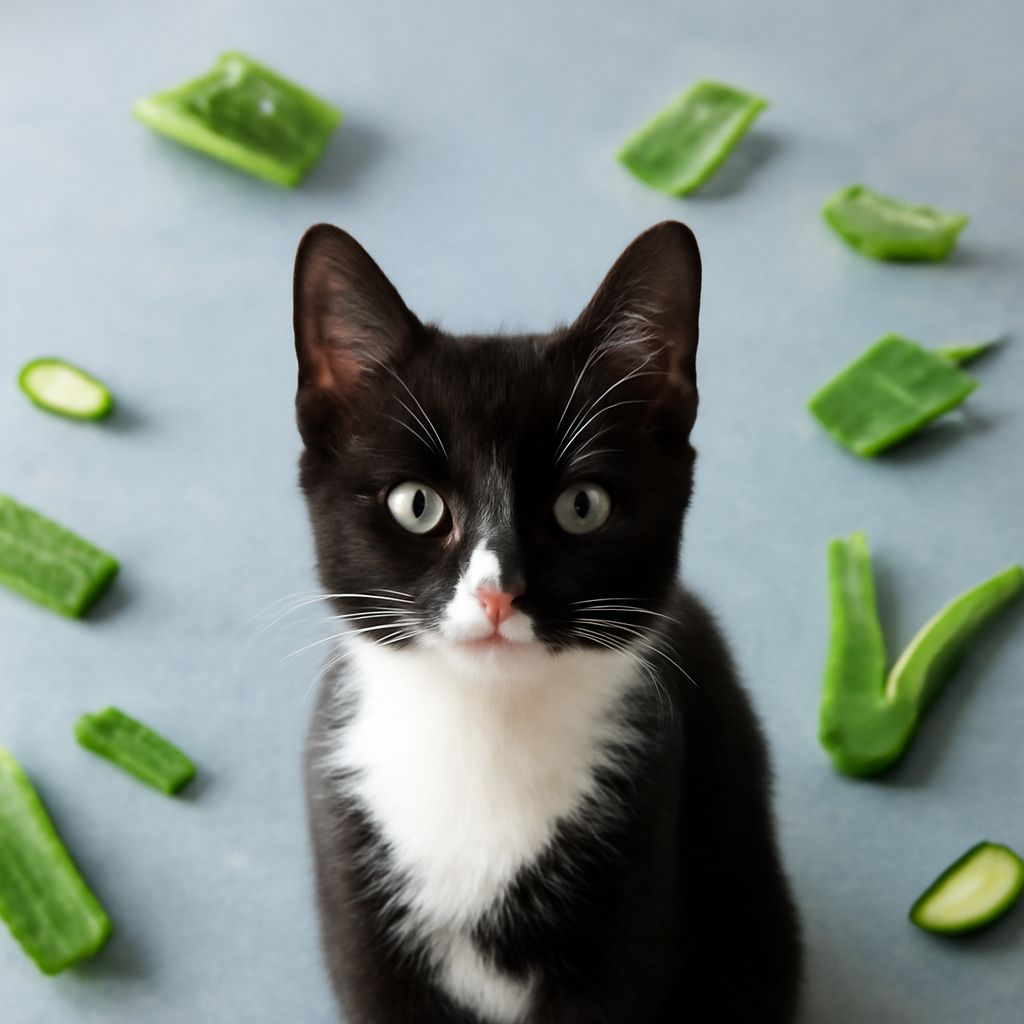
Imagine you’re relaxing at home, your cat snuggled beside you, when you notice your aloe vera plant on the windowsill. You’ve heard that aloe is beneficial for humans, but a question arises: can cats eat aloe, and is aloe vera safe for them? As a responsible pet owner, you want to ensure that your furry friend is safe from any harm. Deciding whether to keep aloe vera in your home requires understanding the relationship between aloe vera and cats.
Understanding Aloe Vera and Its Uses
Aloe vera is a succulent plant known for its thick, fleshy leaves and a gel-like substance that is often extracted for various uses. This plant has been used for centuries in traditional medicine and is popular today in both health and beauty products. The soothing properties of aloe vera gel make it a common choice for treating minor burns and skin irritations in humans. However, while it offers numerous benefits for people, its effects on animals, particularly cats, warrant careful consideration.
Can Cats Eat Aloe?
While aloe vera is commonly used in human products, it’s important to ask whether cats can consume it safely. In general, it is not advisable for cats to eat aloe vera. The plant contains substances called saponins and anthraquinones, which can cause adverse reactions in cats if ingested. Even small amounts may lead to digestive issues, so it’s best to keep aloe vera out of your pet’s reach both indoors and outdoors.
Is Aloe Vera Safe for Cats?
When considering the safety of aloe vera for cats, it’s crucial to recognize the potential risks involved. While aloe vera is not life-threatening in small amounts, it still poses a risk to your cat’s health. If you suspect your cat has ingested any part of the aloe plant, monitor them closely for symptoms like vomiting, diarrhea, or lethargy. It’s advisable to consult a veterinarian if any concerning symptoms arise.
Potential Risks of Aloe Vera for Cats
Aloe vera contains compounds that can be irritating to a cat’s digestive system. The ingestion of aloe can lead to stomach upset, including vomiting and diarrhea. In more severe cases, it can cause dehydration due to fluid loss from gastrointestinal distress. Additionally, while rare, there is a risk of allergic reactions in some cats, which could manifest as skin irritation or more generalized symptoms of distress. Therefore, it is prudent to keep your cats away from aloe vera and to consider cat-safe alternatives.
Alternatives to Aloe Vera for Cats
If you’re looking for ways to provide skin and coat care for your feline friend without the risks associated with aloe vera, consider using products specifically formulated for cats. Coconut oil is a popular alternative that can be used to moisturize dry skin and improve coat health. Always ensure that any product is pet-safe before use. It’s also helpful to provide your cat with a balanced diet rich in omega fatty acids to support a healthy coat and skin.
For soothing skin irritations, consider using oatmeal-based products, which are often well-tolerated by cats and provide relief from itching and irritation. Herbal remedies like chamomile and calendula, in cat-safe formulations, can also offer gentle soothing effects.
Next Steps: To ensure your cat’s safety, regularly check your home and garden for potentially toxic plants and substances. Educate yourself about pet-safe alternatives and consult your veterinarian for advice tailored to your pet’s specific needs. By staying informed and attentive, you can create a safe and healthy environment for your beloved feline companion.