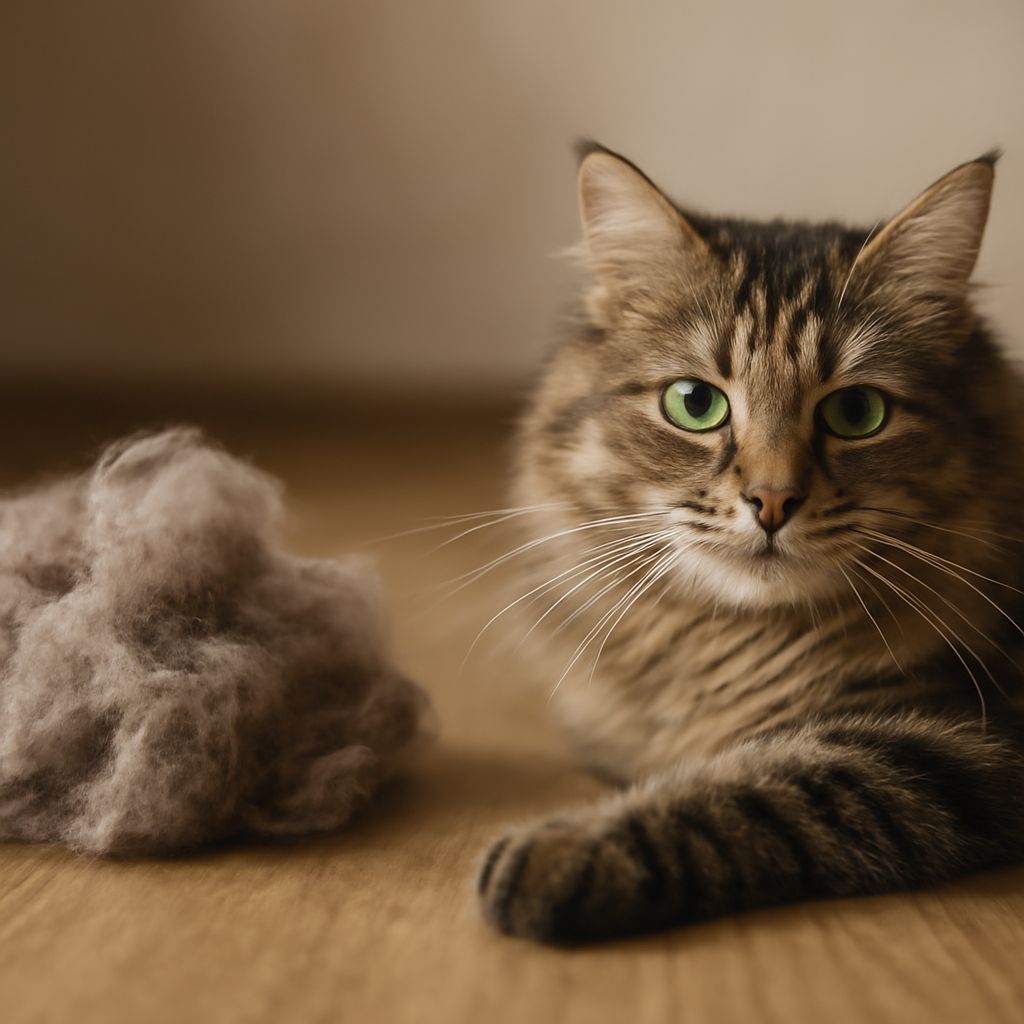
Imagine waking up to the familiar sound of your beloved cat hacking away, clearly distressed and struggling. You realize your hairball cat is trying to cough up a hairball but can’t seem to do so effectively. This scenario is all too common for cat owners and can be quite concerning. You wonder how to help your cat cough up a hairball or even if there is a safe way to make your cat throw up a hairball. Thankfully, understanding the causes and remedies can bring both you and your feline companion much-needed relief.
What Are Cat Hairballs?
Cat hairballs, scientifically known as trichobezoars, are clumps of hair that accumulate in a cat’s stomach after grooming. As cats groom themselves, they ingest loose fur, which typically moves through their digestive tract and exits in their stool. Sometimes, however, the hair can collect and form a hairball, which a cat will then regurgitate.
These hairballs can vary in size and frequency, depending on factors like your cat’s grooming habits and breed. Hairballs are generally cylindrical due to their passage through the esophagus but can become problematic if they are too large or stubborn to be expelled.
Why Do Hairball Cat Problems Occur?
Hairball problems in cats stem from their grooming practices. Cats have barbed tongues that effectively capture loose hair, but this also means they inadvertently ingest a significant amount of fur. Long-haired breeds, like Persians or Maine Coons, are more prone to hairball issues due to their dense and lengthy coats.
Diet also plays a role in hairball formation. A diet lacking in essential nutrients can contribute to poor digestion and may lead to an increased risk of hairball development. Cats that are stressed or bored may over-groom, ingesting more hair than usual, which raises the likelihood of hairballs.
Signs Your Cat Is Trying to Cough Up a Hairball But Can’t
Recognizing the signs that your cat is struggling with a hairball is crucial. You might notice your cat retching or gagging repeatedly without successfully expelling a hairball. Other symptoms include lethargy, loss of appetite, and constipation, as the hairball could be blocking normal digestive processes.
If your cat is displaying these symptoms, it may be struggling to rid itself of a hairball, which necessitates intervention or a visit to the veterinarian.
How to Help a Cat Cough Up a Hairball
Assisting your cat in coughing up a hairball can sometimes be done through simple measures. Providing your cat with extra water can help lubricate their digestive tract, facilitating the movement of the hairball. Encouraging exercise can also be beneficial, as physical activity stimulates digestion.
Another way to aid your cat is by offering hairball remedies available at pet stores. These products often contain oils or fibers that help move hairballs through the digestive tract safely.
How to Make a Cat Throw Up a Hairball Safely
While making a cat throw up a hairball isn’t typically recommended, there are safe methods if necessary. Consulting with a veterinarian is the first step to determine the best approach for your pet. They may suggest administering specific hairball control products or dietary changes to aid the process.
Never induce vomiting in a cat without professional guidance, as this can lead to complications and distress for your pet. The vet may provide safe methods or prescribe medication to help your cat expel the hairball naturally.
Preventing Future Hairball Issues
Prevention is key in managing hairball problems. Regular grooming helps reduce the amount of loose hair your cat ingests. Brushing your cat frequently, especially if it’s a long-haired breed, can significantly decrease hairball formation. Specialized diets aimed at improving coat health can also be beneficial.
Ensuring your cat has a balanced diet rich in fibers can promote digestive health and help in naturally passing ingested hair. Providing interactive toys and a stimulating environment reduces stress-related over-grooming and minimizes the risk of hairball accumulation.
Adding catnip or grass to your cat’s diet can sometimes assist in digestion and hairball prevention. However, always discuss any dietary changes with your veterinarian to ensure they’re appropriate for your cat’s specific needs.
Bottom line: Hairball issues can be distressing for both you and your feline friend. Understanding the causes and recognizing the signs of a hairball problem are essential in providing timely care. With proper grooming, diet, and consultation with your vet, you can manage and prevent hairball dilemmas, ensuring a happier, healthier life for your cat.