
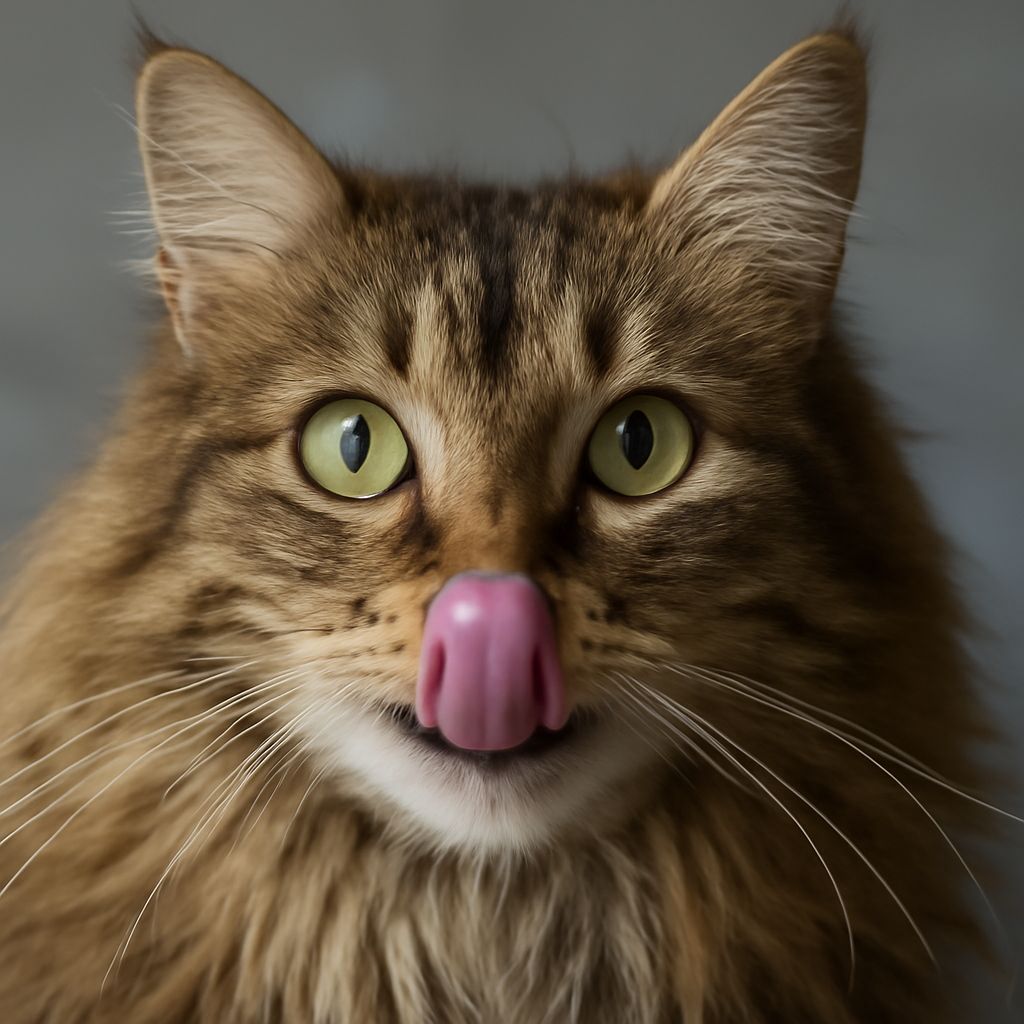
You’re enjoying a peaceful evening at home when your furry companion jumps into your lap, purring contentedly. As you lean in to give your beloved pet a scratch behind the ears, you’re suddenly hit by a wave of smelly cat breath. Your reaction is one of surprise and concern—why does your cat have bad breath? This unexpected discovery leaves you pondering the potential causes behind this stinky cat breath and wondering what steps you should take to improve your pet’s dental health.
Understanding Why Your Cat Has Bad Breath
Bad breath in cats, medically known as halitosis, can sometimes be dismissed as just another quirk of pet ownership. However, it’s important to recognize that persistent bad breath could indicate underlying health issues. Cats, like humans, can have dental concerns that manifest as unpleasant odors. Understanding the root cause of your cat’s bad breath is the first crucial step toward ensuring their overall well-being.
Common Causes of Bad Cat Breath
Several factors can contribute to why your cat has foul-smelling breath. Dental disease is the most common culprit, with plaque and tartar buildup leading to inflamed gums and secondary bacterial infections. Other potential causes include dietary choices, where the ingestion of certain foods or substances leads to a lingering odor. In some cases, systemic conditions such as kidney disease or diabetes may also result in bad breath, making it essential to consider these broader health issues.
How to Improve Your Cat’s Breath
Addressing the root cause of stinky cat breath often involves improving their oral hygiene. Regularly brushing your cat’s teeth can significantly reduce plaque buildup. Starting slowly and using cat-friendly toothbrushes and toothpaste can make the process easier for both you and your pet. Additionally, providing dental treats or toys that promote chewing can enhance dental health and help freshen breath. Dietary adjustments may also be beneficial, ensuring that your cat’s food supports oral care by reducing the accumulation of odor-causing bacteria.
When to Consult a Veterinarian for Stinky Cat Breath
While some bad breath issues can be resolved with improved home care, there are situations where professional intervention is necessary. If your cat’s breath remains persistently unpleasant despite efforts to improve their oral hygiene, or if you observe additional symptoms such as swollen gums, reluctance to eat, or excessive drooling, it is time to consult your veterinarian. They can conduct a thorough examination to diagnose any underlying disorders, such as periodontal disease or other systemic conditions, providing targeted treatment to address both the symptoms and the cause.
Preventive Measures to Keep Cat Breath Fresh
Preventing bad breath in cats involves a proactive approach to dental care. Regular veterinary check-ups are crucial for early detection and management of potential issues. Implementing a consistent oral care routine at home, including frequent tooth brushing and providing dental aids, can significantly reduce the risk of halitosis. Maintaining a balanced diet that supports oral health further aids in preventing unpleasant odors. By investing time and resources into preventive care, you can help ensure that your cat’s breath remains fresh and their overall health remains optimal.
Next steps: To maintain your cat’s dental health and keep their breath fresh, establish a routine that includes regular tooth brushing and dental check-ups. Stay observant of any changes in your cat’s behavior or health, and don’t hesitate to seek veterinary advice when necessary. By staying proactive, you can ensure your feline friend enjoys a healthy, happy life with a sweet-smelling purr.