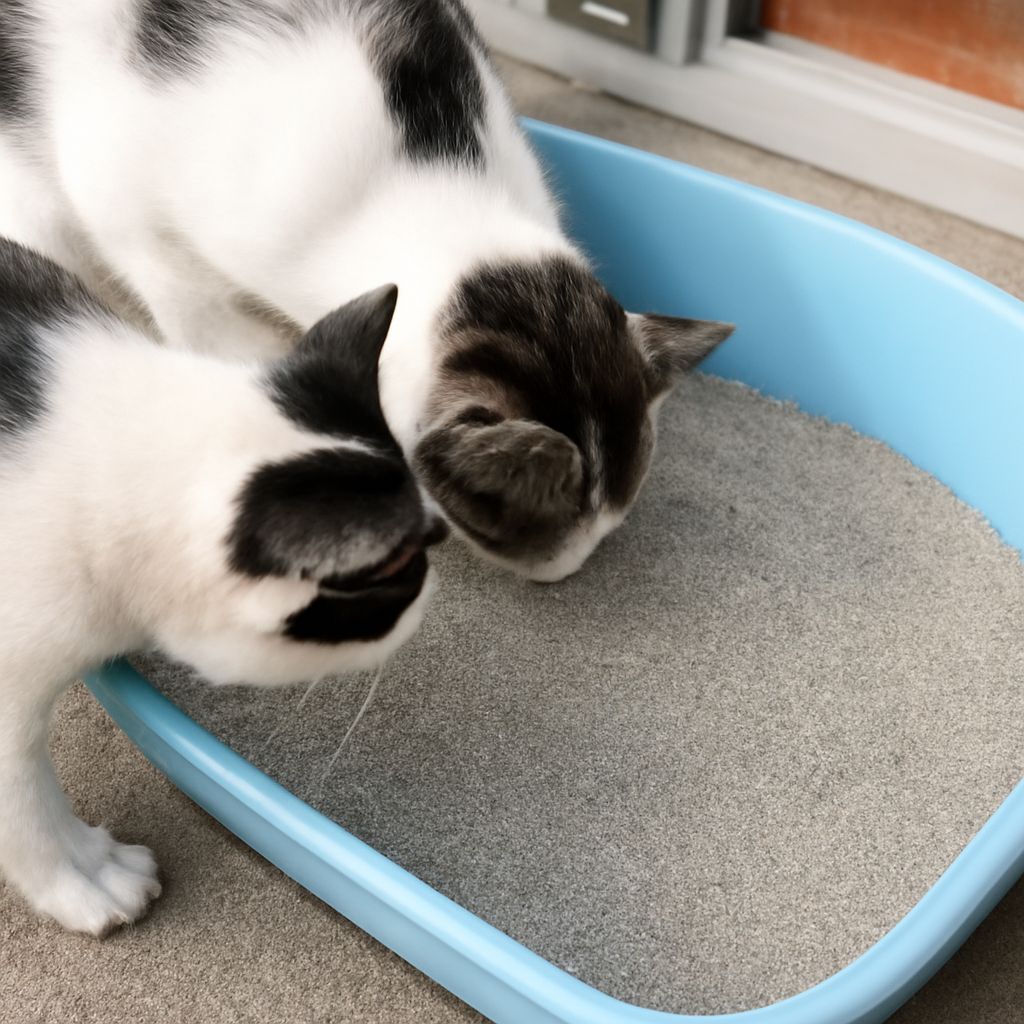
You’re in the living room when you notice that your dog—your loyal, furry friend—is not by your side. Instead, they’ve done something unexpected and quite concerning: they’ve found their way to the cat’s litter box. As you approach, it becomes apparent that your dog has been eating cat poop. At this moment, many questions fill your mind: Why is my dog eating cat litter? Is it dangerous if my dog ate cat litter? These are valid concerns that many pet owners face and that we’ll address in detail.
Understanding Why Dogs Eat Cat Poop
Dogs eating cat feces might seem repulsive to us, but for dogs, it can be a perfectly natural behavior. Dogs are scavengers by nature, and their appetite can lead them to consume things humans find unappealing. Cat poop can actually smell enticing to dogs because of the high protein content found in cat food. This makes the feces rich in undigested nutrients, a potential canine delicacy.
Additionally, dogs may eat cat poop due to boredom or a lack of sufficient nutrients in their diet. When dogs are not receiving the appropriate balance of diet, they may seek out alternative sources that are rich in nutrients, even if these sources are unsavory to human beings. In some cases, this behavior can also stem from anxiety or stress, leading the dog to engage in coprophagia (the act of consuming feces) as a comfort-seeking behavior.
The Risks of Dogs Eating Cat Litter
While the act of your dog eating cat feces might be relatively common, it does present certain risks. Cat litter, in particular, can pose health hazards to dogs. The most immediate concern is the potential for intestinal blockages. Cat litter, especially clumping varieties, can expand in a dog’s digestive tract, leading to serious complications that may require veterinary intervention.
Moreover, there’s a risk of your dog ingesting parasites and harmful bacteria present in the cat feces. This can lead to infections or other health issues, making it crucial to address this behavior promptly. Understanding these risks highlights the importance of preventing your dog from eating cat litter.
What to Do if Your Dog Ate Cat Litter
If you discover that your dog has ingested cat litter, it is essential to monitor them closely. Watch for signs of distress, such as vomiting, diarrhea, or difficulty in passing stools, which may indicate an intestinal blockage. If any of these symptoms occur, seek veterinary care immediately.
In less severe cases, you may choose to observe your dog and ensure they remain hydrated. It’s also beneficial to provide them with a balanced diet and plenty of water to help move the litter through their system. Nonetheless, consultation with a veterinarian is always a prudent course of action to ensure your dog’s safety and health.
Preventing Your Dog from Eating Cat Litter
To curb this behavior, a proactive approach is needed. One effective method is to place the cat litter box in an area that is inaccessible to your dog, such as a separate room with a baby gate or a high surface out of your dog’s reach. This limits their opportunity to access the litter box and reduces the chance of them eating cat feces.
Additionally, providing your dog with plenty of toys and activities can help alleviate boredom and reduce the likelihood of them seeking out the cat litter box for amusement. Ensuring your dog has a nutritionally balanced diet can also deter them from seeking alternative, less desirable food sources.
Behavioral Training to Address the Issue
Behavioral training is an effective way to eliminate your dog’s interest in cat litter. Begin by teaching your dog the “leave it” command, which can deter them from engaging with undesirable objects. Consistent training and positive reinforcement when they obey can significantly reduce unwanted behaviors.
Furthermore, increasing your dog’s exercise and playtime can help reduce stress and anxiety, which might be contributing factors to their penchant for eating cat litter. Regular interaction and exercise can also enhance your dog’s overall well-being, making them less likely to indulge in coprophagia.
Safety Recap: If tools or safety measures were used, such as baby gates, ensure they are securely installed to prevent access to the litter box. Monitoring your dog’s diet and health can mitigate risks associated with eating cat litter, ensuring their safety and well-being.