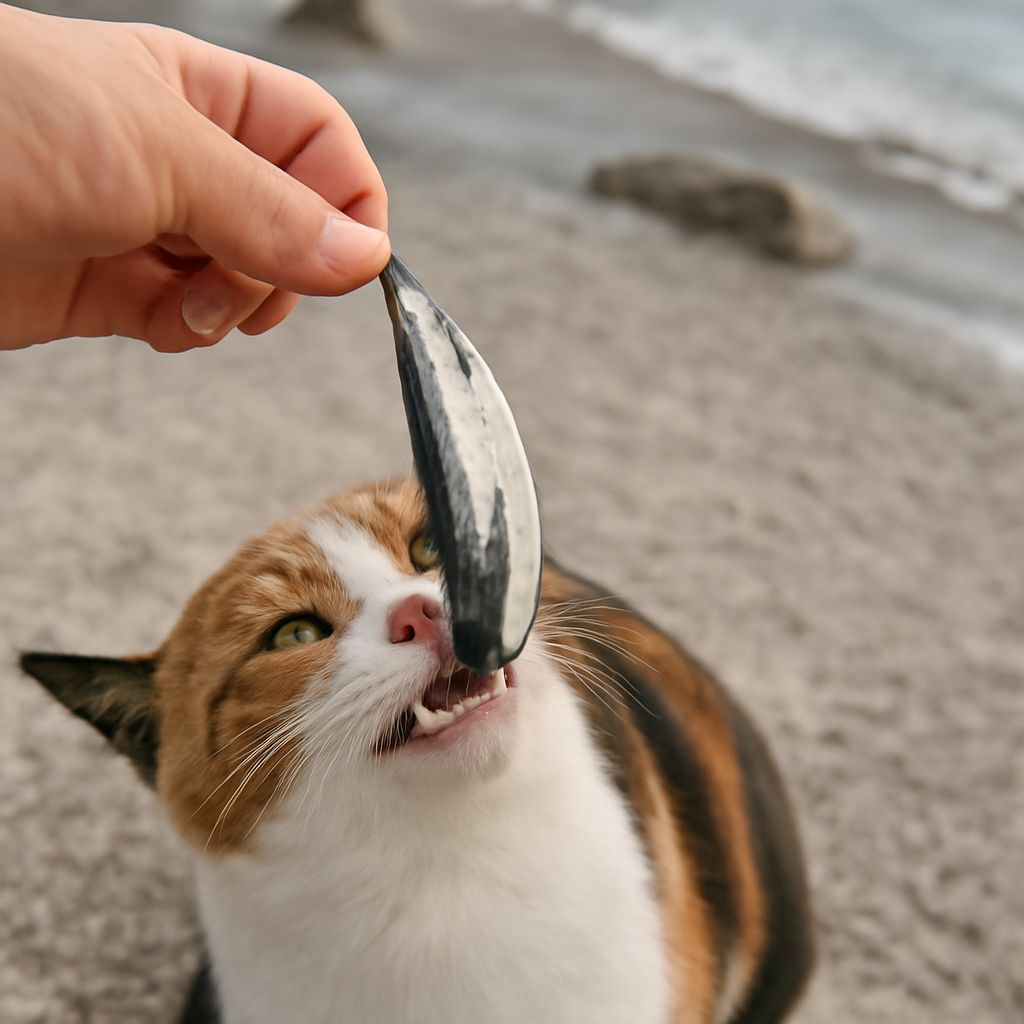
Imagine you’re preparing a delightful salmon dinner and your feline friend, with eyes full of curiosity, approaches. As you discard the salmon skin, you ponder if your cat can enjoy this part of the meal. Can cats eat salmon skin? As a cat owner, you want the best for your pet, and knowing what foods are safe is essential. Similarly, you might question whether cats can eat canned salmon, and if fish in general is good or bad for your cat. Understanding these nuances helps ensure your cat’s diet is both nutritious and safe.
Can Cats Eat Salmon Skin?
Cats can eat salmon skin, but there are important factors to consider. While salmon skin is not inherently harmful to cats, it can be rich in oils and fats, which might lead to digestive issues if consumed in large quantities. If you choose to give your cat salmon skin, ensure it is thoroughly cooked and free from any seasoning or additives. Raw fish skin can contain parasites or bacteria that might be harmful to your pet.
In moderation, salmon skin could offer some nutritional benefits due to its healthy fats, but it’s crucial to balance it with your cat’s regular diet. Occasional treats are fine, but salmon skin should not become a staple. Always observe your cat for any signs of allergic reactions or digestive troubles after trying new foods.
Can Cats Eat Canned Salmon?
Canned salmon is another popular item you might consider sharing with your cat. Cats can eat canned salmon, but it should be approached with caution. The primary concern with canned salmon is the high sodium content and potential presence of other preservatives. These can be unhealthy for cats if consumed in large amounts.
If you decide to offer your feline friend some canned salmon, choose a variety that is as natural as possible—ideally, one packed in water rather than oil or brine. Drain and rinse the salmon to reduce sodium and serve it in small portions. Just like with salmon skin, monitor your cat for any adverse reactions, especially if this is a new addition to their diet.
Is Fish Good for Cats?
Fish can be a beneficial part of a cat’s diet when served properly. Many cats enjoy fish, and it can be an excellent source of protein and essential fatty acids. These nutrients are vital for maintaining a healthy coat, skin, and overall well-being. Furthermore, fish contains taurine, an amino acid that is crucial for a cat’s health.
However, fish should not be the primary source of nutrition for cats. It’s best served as an occasional supplement rather than a daily meal. Ensuring a balanced diet with a variety of protein sources will provide the necessary nutrients your cat needs.
Is Fish Bad for Cats?
Despite its benefits, there are potential downsides to feeding fish to cats. Some fish may contain high levels of mercury or other toxins, which could be harmful over time. Additionally, an exclusive diet of fish might lead to nutrient deficiencies, as fish alone does not provide all the essential nutrients cats require.
Feeding raw fish can pose a risk of thiamine deficiency due to the enzyme thiaminase, which destroys vitamin B1. Cooking the fish can eliminate this risk. Therefore, cooked fish, free of additives and in controlled amounts, is the safest option.
Should Cats Eat Fish?
Considering both the potential benefits and risks, cats can eat fish as part of a varied diet. Moderation is key to avoiding any negative health impacts. Fish can be a tasty and nutritious treat when balanced with other high-quality cat foods.
Consult with your veterinarian to ensure that introducing fish aligns well with your cat’s specific dietary needs and health conditions. Being informed and cautious will help you make the best decisions for your feline friend.
Safety Recap: When introducing salmon skin or other fish to your cat’s diet, ensure it is cooked and free of harmful additives. Monitor your pet for any signs of adverse reactions and consult your veterinarian for personalized advice. Safe practices will ensure that fish remains a healthy treat for your cat.