Imagine one evening you’re relaxing with your feline friend, when you notice her breathing seems labored, and she appears more lethargic than usual. As a concerned cat owner, you wonder if these could be signs of something serious, like the heart failure in cats that you’ve heard about. Congestive heart failure (CHF) in cats is a significant health condition that requires understanding and vigilance to manage effectively. Recognizing the symptoms and knowing when to seek professional care can make a world of difference in your beloved pet’s quality of life.
What Is Congestive Heart Failure in Cats?
Congestive heart failure in cats occurs when the heart cannot pump blood efficiently, leading to fluid buildup in the lungs and other body tissues. This condition is often a result of underlying heart disease, which may go unnoticed until serious symptoms appear. The heart’s inability to function properly can severely impact your cat’s health, making it essential for pet owners to be informed about this condition.
Symptoms of Heart Failure in Cats
Identifying the signs of heart failure in cats early can be crucial for effective treatment. Common symptoms include difficulty breathing, rapid breathing, coughing, and lethargy. You may also notice a decrease in appetite or weight loss, and in some cases, fainting or weakness. Monitoring your cat’s behavior and physical condition can help you spot these changes early.
Causes and Risk Factors of CHF in Cats
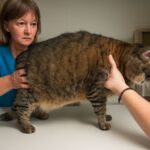
The causes of congestive heart failure in your cat can vary, but are often linked to conditions such as cardiomyopathy or high blood pressure. Genetics can play a role, with certain breeds being more predisposed. Additionally, age and obesity are significant risk factors. Understanding these elements can help you take preventive steps to protect your cat’s heart health.
Diagnosing Cat Heart Failure
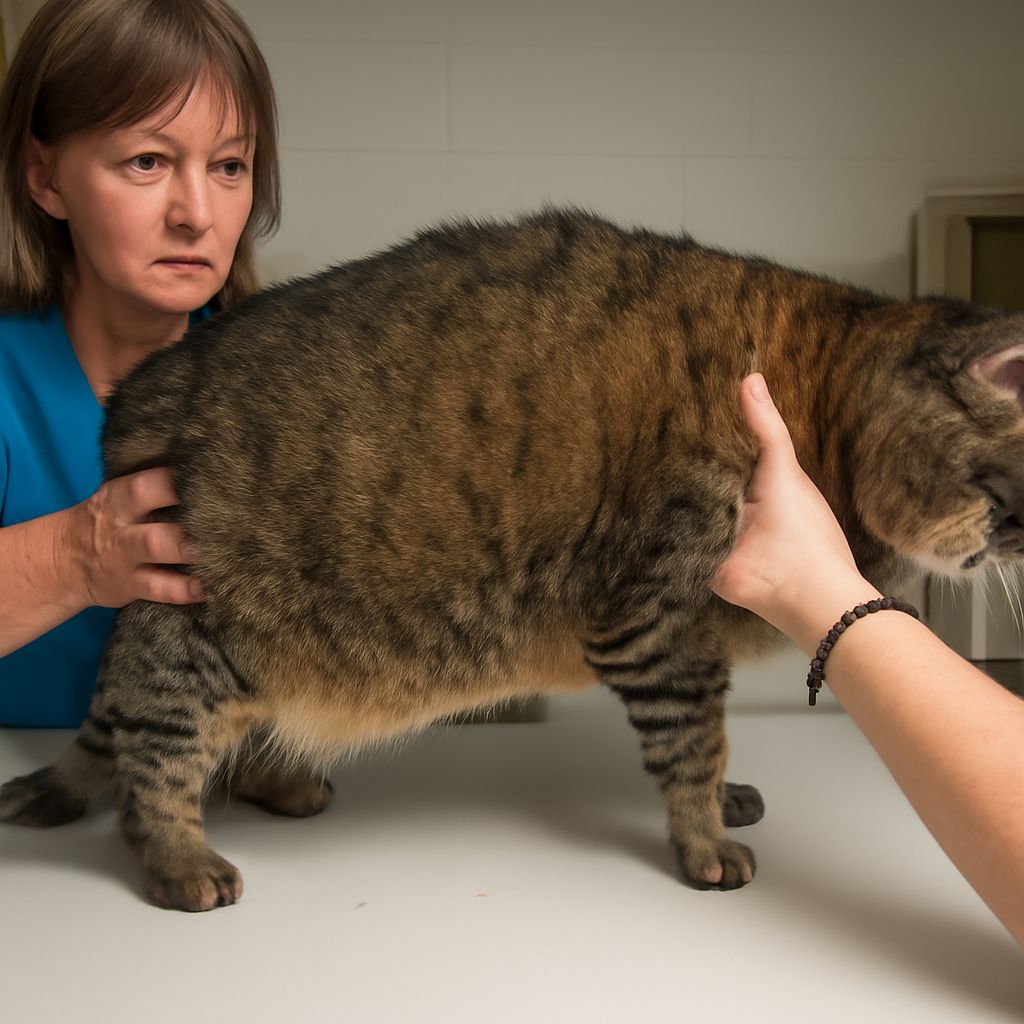
A veterinarian’s diagnosis of cat heart failure typically involves a thorough physical examination and diagnostic tests. These might include X-rays, echocardiograms, or blood tests to assess heart function and identify any underlying causes. Early diagnosis is vital for managing the condition effectively and preventing further deterioration of your cat’s health.
Treatment and Management of Congestive Heart Failure Cats
Managing congestive heart failure in cats often involves a combination of medication, diet changes, and lifestyle adjustments. Medications may help reduce fluid buildup or improve heart function. A low-sodium diet can also support heart health. Regular veterinary visits are essential to monitor your cat’s progress and adjust treatments as needed.
Preventive Measures and Care for Cats with Heart Failure
Preventing congestive heart failure or managing its progression involves a proactive approach to your cat’s health. Regular check-ups can help detect heart disease early. Maintaining a healthy weight and providing a balanced diet can reduce risk factors. Keeping your cat stress-free and active also supports overall cardiovascular health.
Pro tips recap: Stay vigilant for changes in behavior or health as early detection is key. Regular vet visits, a balanced diet, and a comfortable environment are integral in managing and preventing heart conditions in cats. Your attentive care can significantly contribute to your furry friend’s quality of life.