
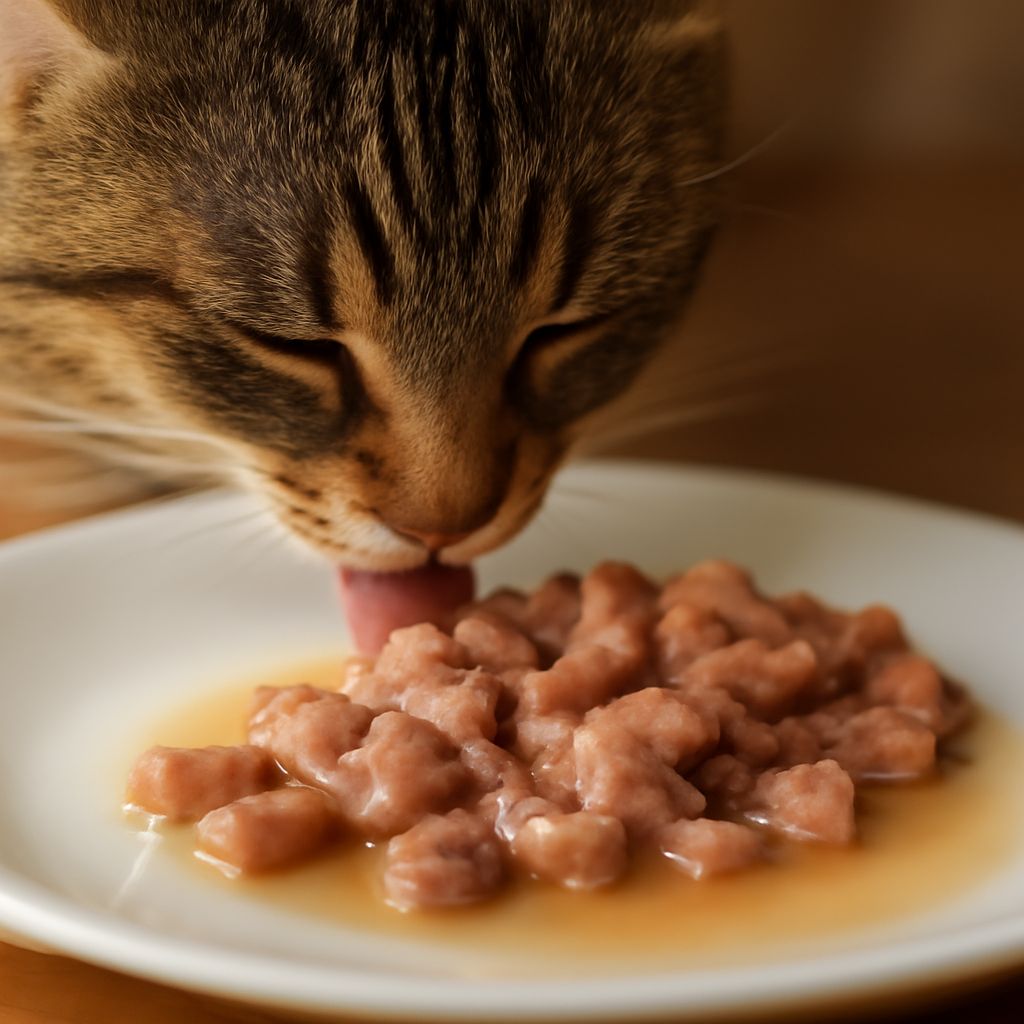
Picture this: You’re standing in the pet food aisle, overwhelmed by the myriad choices. You’re wondering if wet or dry cat food is better for your beloved cat. Each option promises unique benefits, yet you’re unsure which aligns with your feline’s needs. You want your cat to be healthy and happy, but the decision feels daunting with all the debate about dry vs wet cat food. Let’s dive into the essentials and help you make an informed choice for your furry friend.
Understanding the Basics of Wet and Dry Cat Food
When evaluating cat food, it’s crucial to understand the differences between wet and dry varieties. Wet food typically contains higher moisture levels, making it a great option for cats needing hydration. It’s often packaged in cans or pouches and can be more palatable due to its aroma and texture. On the other hand, dry food offers convenience and can be stored easily for long periods. It usually comes in kibble form and helps with dental health by reducing tartar buildup.
Benefits of Wet Cat Food
Wet cat food has several advantages that cater to specific feline needs. Firstly, its high moisture content aids in keeping cats hydrated, particularly beneficial for those prone to urinary tract issues. The texture and flavor profile often make it more appealing to picky eaters, ensuring they get the necessary nutrients. Additionally, wet food can assist in weight management, as it tends to contain fewer carbohydrates than dry alternatives, making it an excellent choice for overweight cats.
Advantages of Dry Cat Food
Dry cat food, known for its convenience, offers several benefits that appeal to many cat owners. Its long shelf life means less frequent shopping trips. Dry food is also economical, allowing for bulk purchases without the immediate concern of spoilage. Moreover, the crunchiness of kibble can contribute to dental health by helping to clean your cat’s teeth as they chew. This form of cat food often provides a balanced diet with essential nutrients, supporting overall wellness.
Comparing Nutritional Content: Dry vs Wet Cat Food
When it comes to nutritional content, both wet and dry cat food have their pros and cons. Wet food generally provides higher protein levels, aligning closely with a cat’s natural diet and supporting muscle maintenance. However, it may lack the fiber content found in dry food, which aids digestive health. On the other hand, dry food often contains more carbohydrates to maintain its structure, which can be beneficial or detrimental depending on your cat’s lifestyle and health needs. It’s crucial to examine the ingredient list and nutrition label to ensure your cat receives a balanced diet.
Choosing the Best Option for Your Cat
Ultimately, the decision between wet and dry cat food should consider your cat’s specific needs and preferences. Observe your feline’s eating habits, health conditions, and lifestyle. For instance, an older cat might benefit from the hydration and palatability of wet food, while an active young cat might thrive on the convenience and dental benefits of dry food. Consulting with your veterinarian can provide personalized advice tailored to your cat’s health requirements.
Safety recap: Always transition your cat’s diet gradually to avoid digestive upset, and ensure they have access to fresh water regardless of food type. Properly store food to prevent spoilage and maintain nutritional value.