Imagine you’re gently petting your beloved feline companion, softly brushing your fingers through its plush fur, when suddenly you feel a gentle prick against your hand. Curious, you take a closer look at your cat’s paws, wondering exactly how many claws they have. Understanding your cat’s claw anatomy is crucial, not only for your feline’s health but also for your peace of mind when it comes to grooming tasks such as clipping cat nails.
Maintaining healthy cats claws goes beyond just curiosity; it’s an essential aspect of responsible pet ownership. By learning how to clip cats nails safely, you can ensure your feline friend remains comfortable and injury-free, all while keeping your furniture intact. Dive into this guide to uncover the mysteries of your cat’s feet and become adept at caring for their claws.
How Many Claws Do Cats Have?
Cats typically have five claws on each of their front paws, which includes four toes and a dewclaw located slightly higher up on the inside of the paw. The dewclaw doesn’t touch the ground as the cat walks but plays a significant role in grasping and climbing. On their hind paws, cats usually have four claws, making a total of 18 claws for most felines. However, some cats may have additional claws due to a genetic variation called polydactylism, which results in extra toes.
The Anatomy of Cats Claws
The structure of a cat’s claw is complex and fascinating. Each claw consists of a hard outer shell and a sensitive area known as the quick, which contains nerves and blood vessels. The quick is not visible, but it’s crucial to avoid cutting into it while trimming. Cats retract their claws into a protective sheath, allowing them to keep the claws sharp and ready for use when needed. This retractable nature is what makes their claws such effective tools for hunting and self-defense.
Why Clipping Cat Nails Is Important
Regularly clipping cat nails is an important grooming task that keeps both your pet and your household safe. Overgrown claws can lead to various problems such as snagging on carpets or furniture, growing into the paw pad, and causing pain or infection. Additionally, keeping your cat’s claws well-trimmed reduces the risk of scratches to humans and other pets. Routine nail maintenance also helps your feline stay comfortable and prevents any discomfort or awkward gait associated with long nails.
How to Clip Cats Nails Safely
Tools Needed for Clipping
- A pair of cat nail clippers or a human nail clipper.
- A nail file to smooth any rough edges after cutting.
- Styptic powder or cornstarch to stop bleeding in case of accidental cuts.
- Some treats to reward your cat for cooperation.
Steps for Clipping Cats Nails
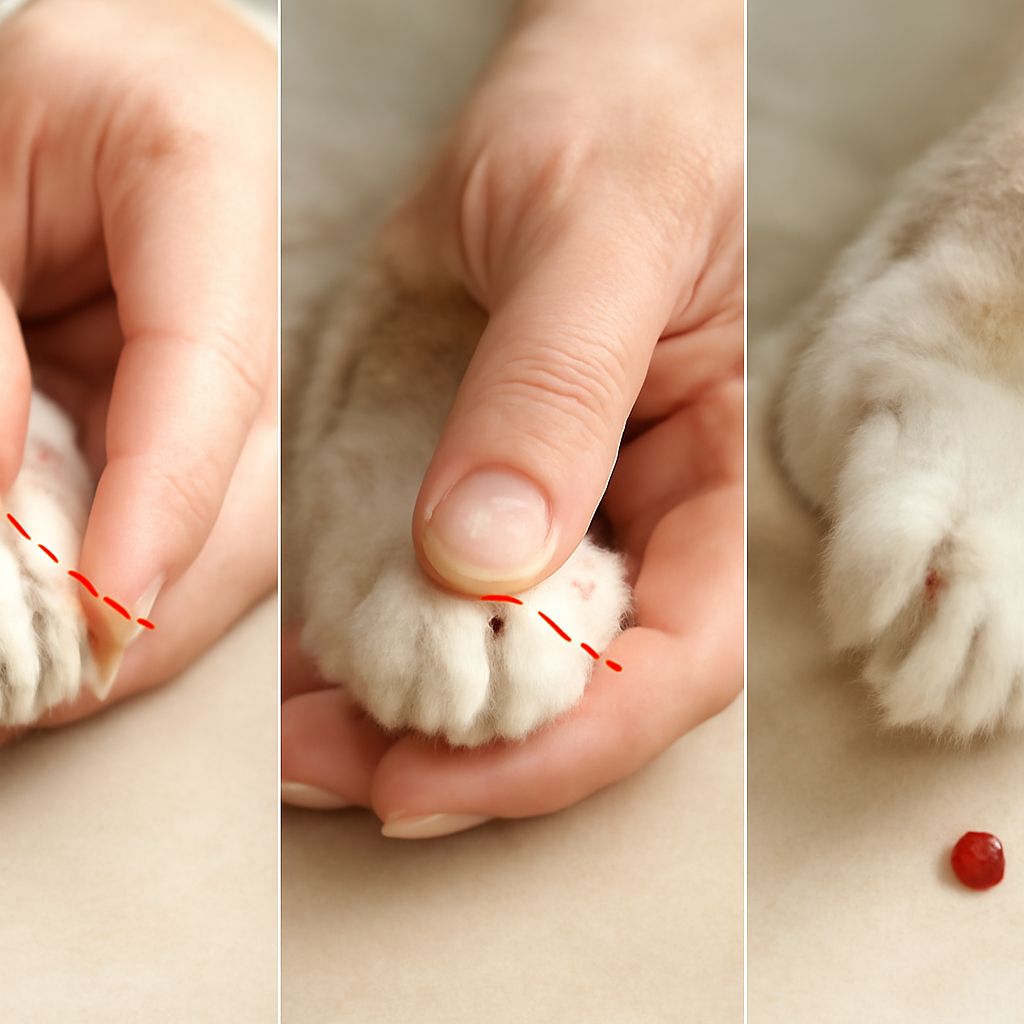
- Begin by gently holding your cat’s paw and pressing on the pad to extend the claw.
- Examine the claw to locate the quick, which appears as a pinkish area. Avoid cutting into the quick to prevent pain and bleeding.
- Using the nail clippers, trim the sharp tip of the claw, taking care to steer clear of the quick.
- If any rough edges remain, use the nail file to smooth them out.
- Repeat this process for each claw, reassuring your cat and giving treats as you go.
Tips for Maintaining Healthy Cats Claws
To maintain healthy cat claws, ensure your pet has access to scratching posts or pads. Scratching is a natural behavior that helps cats remove the outer layer of their claws and keep them sharp. Additionally, regular checks of your cat’s paws and claws can help spot any issues early. If you’re uncertain about clipping, consult a veterinarian or a professional groomer for guidance. Always handle your cat gently and patiently to keep the grooming experience stress-free.
Safety recap: When using tools like clippers and files, practice careful handling to avoid injuring your cat. Monitor your feline’s behavior to ensure the grooming process is as smooth as possible. Remember, well-maintained claws are crucial for your cat’s comfort and health.