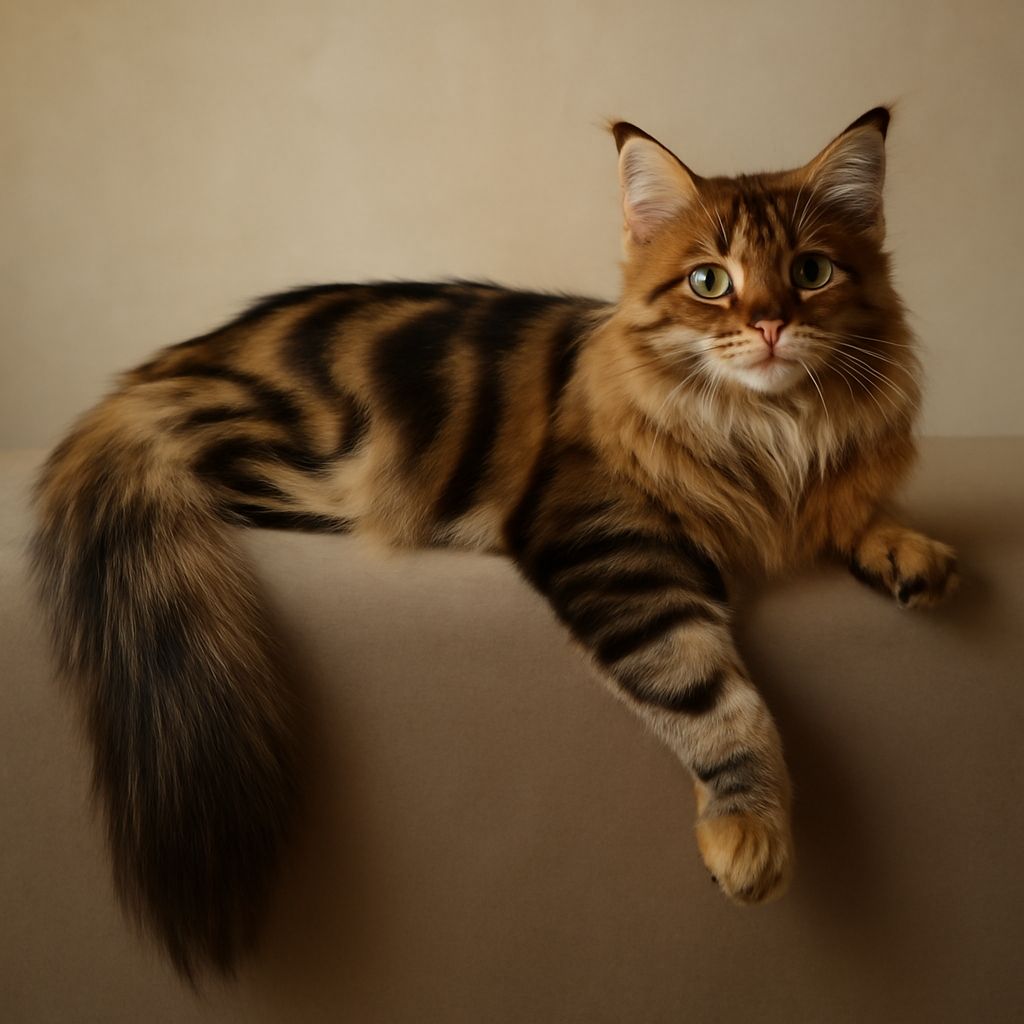
A large cat still fits in a cardboard box, provided the box is large enough. The same principle applies to your budget: the amount you pay to bring a Maine Coon home is only the first measurement. Food, litter, equipment and veterinary care will need room in it, too.
The price of acquiring one of these cats varies with the source, age and paperwork. The cost of keeping a cat over its lifetime is a separate calculation, and it deserves attention before you fall in love with a photograph.
Purchase price: breeder or adoption?
How much are Maine Coon cats? A published breeder example gives the question some scale: California’s Freedom Mountain Maine Coon Cattery lists $2,500–$5,500 per kitten, depending on color and type. This is one cattery’s stated range, checked in November 2026, not a national quote. Ask what the fee includes and obtain a current written price before committing.
The Maine Coon kitten price may reflect a breeder’s choices about veterinary care, parent screening, registration, socialization and raising the litter. Individual sellers also set prices by color, appearance or whether breeding rights are included. Age can matter: a retired breeding adult may be priced differently from a kitten. A higher fee alone does not establish better care, so examine the evidence behind it.
Ask for registration and pedigree documents if a documented purebred is important to you. Request vaccination and veterinary records, screening results for the parents, and a contract explaining any deposit, refund conditions and spay or neuter requirements. Speak with the breeder about how the kitten is raised and what support is available afterward. Budget separately for travel or transport if the quoted fee excludes it.
Adoption can offer another route. A shelter may describe a cat as a Maine Coon or mix based on appearance; ask whether ancestry is documented if that distinction matters to you. Fees depend on the organization and animal. As one illustration, Chicago’s Anti-Cruelty adoption page lists $100 for an adult cat and describes included services such as spay or neuter, vaccinations and a microchip. Confirm the current fee and included care directly; this is a general shelter example, not a breed-specific rate.
How much do Maine Coon cats cost over a lifetime?
How much do Maine Coon cats cost throughout their lives? Ownership adds recurring costs for food, litter and preventive care, with occasional larger bills. Regional veterinary and retail prices, your cat’s needs and the products you choose all affect the total. A quote from your own clinic and a local shopping list will tell you more about your household than a single national average.
How much does a Maine Coon cat cost over its lifetime? Add the acquisition fee, setup purchases, annual care for each year you plan for, and an allowance for unplanned treatment. This estimate will change with your circumstances and local prices.
Set up for a large companion
Before arrival, price a secure carrier, litter box and scoop, bowls, a comb, scratching surfaces, toys and a resting place. Choose a carrier with enough room for the cat to stand and turn comfortably; a growing kitten may eventually need a larger one. A roomy litter box and stable cat furniture should accommodate the adult cat, not just the animal that arrives on day one.
Add the first veterinary appointment and any vaccinations, parasite prevention, microchip or surgery not already included. Ask the provider for an itemized estimate and bring existing records so the clinic can identify what remains due. If your home or lease requires a pet deposit or recurring pet rent, put that on the list as well.
These purchases do not all need to be deluxe. A sturdy scratcher and safe, washable bedding can serve a cat better than an elaborate object purchased for its owner’s amusement. Still, allow for replacing worn equipment and for boarding or a sitter when you travel.
Plan for ordinary months and surprises
For the monthly budget, calculate food from the amount your veterinarian recommends and the price of the product you will actually buy. Add litter based on your household’s use, plus an allowance for treats and replacement toys. A larger cat may need larger portions, but feeding amounts depend on the individual, food and activity level; adjust with your veterinarian rather than assuming every member of the breed eats the same amount.
Set aside money each month for routine examinations, recommended preventive care and grooming supplies. Long fur needs regular combing, and professional grooming is an additional choice if you use it. Ask your clinic about expected annual services and their current fees. The ASPCA’s cost guide also separates recurring items such as food and litter from other expenses; its dollar estimates are dated 2021, so use current local prices for your calculation.
Unexpected illness or injury can create a bill outside the routine plan. Build an emergency reserve, investigate insurance, or combine both. If considering a policy, compare the premium, deductible, reimbursement, exclusions and waiting periods, and ask how existing conditions are handled. Keep enough accessible money for costs a policy may not cover.
Before choosing a cat, write down what a Maine Coon costs to acquire, add your local setup quotes and twelve months of recurring expenses, then decide how you will fund an emergency. If that total does not fit comfortably, revise the plan before paying a deposit.