
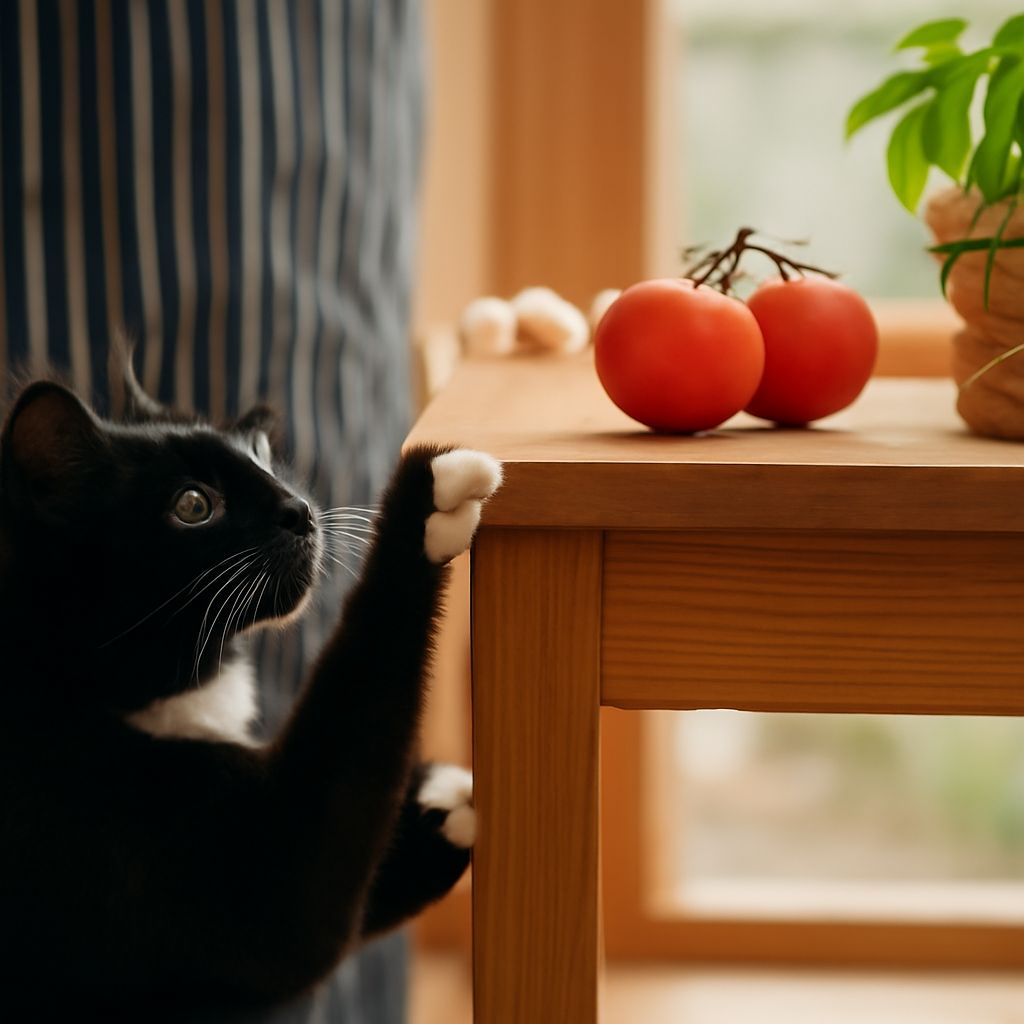
Imagine you’re in the kitchen preparing a fresh salad, and your feline friend weaves between your legs, curious about what you’re making. You wonder, “Is spinach safe for cats?” Your instinct is to share a healthy lifestyle with your pet, but you’re unsure if this leafy green is part of a cat-friendly diet. Understanding the nutritional benefits and potential risks of feeding spinach to cats is essential for making informed decisions about their diet.
Understanding Cat Nutrition
Cats are obligate carnivores, which means their primary nutritional needs are met through a diet rich in animal proteins. While they may derive some benefits from certain plant-based foods, their digestive systems are not designed to process large amounts of vegetation. Essential nutrients for cats include proteins, fats, vitamins, and minerals, which are typically found in a balanced cat food diet. However, occasional treats like vegetables can contribute to a varied diet if offered in moderation.
Can Cats Eat Spinach?
The question of whether cats can eat spinach is common among cat owners seeking to diversify their pets’ diet. Cats can technically consume spinach, but it should not replace their regular meals. Spinach can be offered as an occasional treat, adding variety and additional nutrients to their diet. However, understanding how to introduce it properly is crucial to avoid any health issues.
Is Spinach Safe for Cats?
Spinach is generally safe for cats in small quantities, but there are important caveats. The presence of oxalates in spinach can affect cats with specific health conditions, such as kidney disease. Feeding spinach to a cat with known urinary or kidney issues is not recommended. It’s always wise to consult with a veterinarian before introducing new foods to ensure your cat’s safety and well-being.
Nutritional Benefits of Spinach for Cats
In moderation, spinach can offer nutritional advantages for cats. It contains vitamins A, C, and K, as well as iron and calcium, which can supplement their diet. These nutrients contribute to a healthy immune system, strong bones, and overall well-being. However, since cats primarily need nutrients found in meat, spinach should only serve as a supplementary addition rather than a main food source.
How to Feed Spinach to Cats Safely
If you decide to introduce spinach into your cat’s diet, it’s crucial to do so safely. Begin by offering a small, manageable portion to see how your cat reacts. Always wash the spinach thoroughly to remove any pesticides or harmful substances. You can steam or lightly cook the spinach to make it easier for your cat to digest. Avoid seasoning or adding ingredients like garlic or onions, which are toxic to cats.
- Start small: Offer a tiny piece and monitor your cat’s reaction.
- Observe: Watch for any signs of digestive upset or allergies.
- Consult your vet: Always get professional advice for tailored dietary needs.
Next steps: If your cat enjoys spinach and shows no adverse reactions, you can include it occasionally as a treat. Maintain a balanced diet primarily composed of high-quality cat food, and keep exploring ways to enrich your pet’s diet safely.