
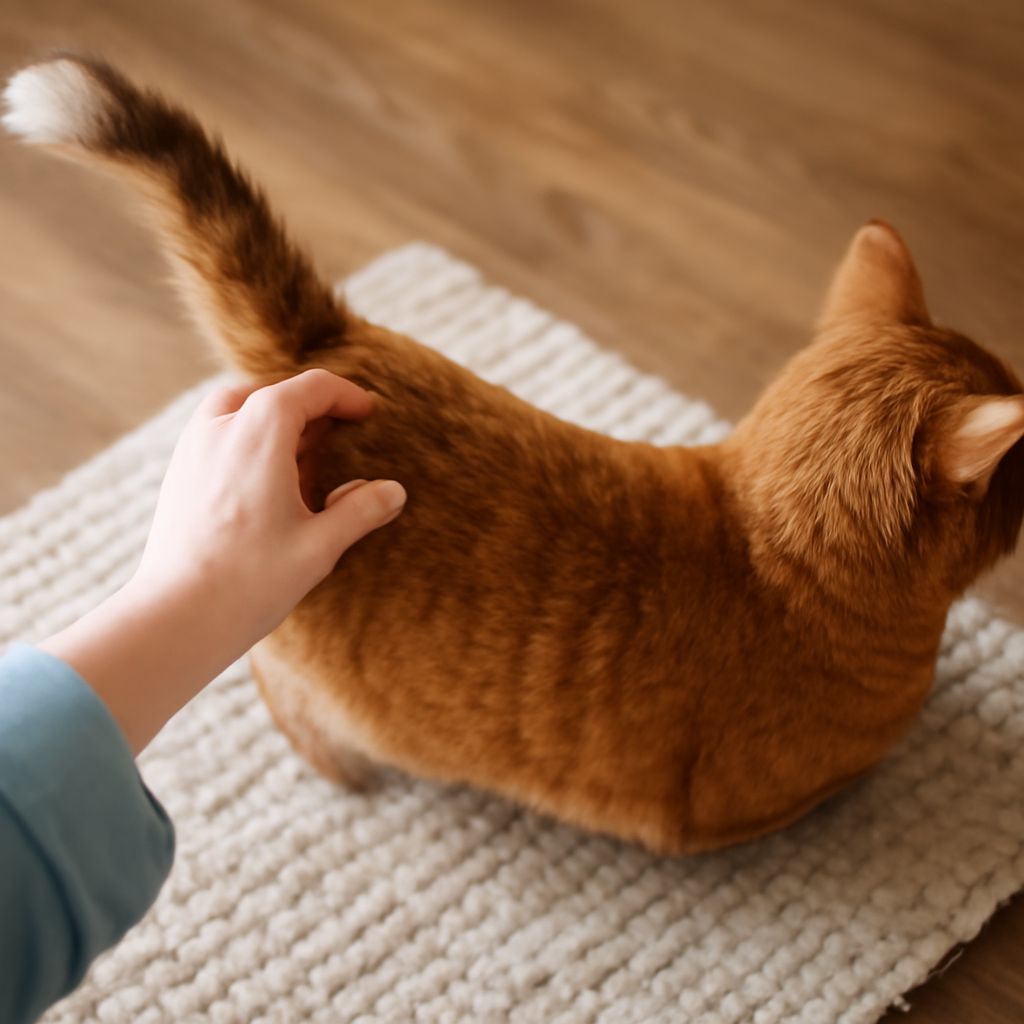
Imagine relaxing on the couch with your feline companion, when suddenly an unexpected odor disrupts the peace. You realize your gassy cat has struck again, leaving you wondering about the causes of cat gas and what you can do to relieve their discomfort. Understanding your cat’s digestive health isn’t just about eliminating unpleasant smells—it’s also key to keeping your furry friend happy and well.
Perhaps you’ve asked yourself, “Why do cats fart at all?” or worried if those symptoms of cat gas could indicate something more serious. This guide will walk you through everything you need to know, from the common causes and cat gas symptoms to practical relief and when to seek professional care. Let’s explore how to support your cat’s comfort and well-being by addressing their digestive concerns thoughtfully and effectively.
Why Do Cats Fart? Common Causes of Cat Gas
Farting in cats may seem comical, but flatulence in felines is often a sign of underlying digestive processes. While all cats can experience some level of gastrointestinal gas, certain situations make them more likely to pass wind. Eating too quickly is one of the primary reasons, as gulping food leads to swallowed air that can build up in the digestive tract. Additionally, abrupt changes in diet may upset your cat’s gut, resulting in increased gas production.
Many feline gas problems also stem from the quality and composition of their food. Diets rich in fillers, such as corn, soy, or wheat, may be harder for your pet to digest fully, creating excess gas as a byproduct. Dairy products can be another culprit; since most adult cats are lactose intolerant, consuming cheese or milk may cause gastrointestinal upset and flatulence. Spoiled or inappropriate table scraps can further contribute to stomach issues and excessive farting in cats.
Beyond diet, other digestive health factors play a role. Parasitic infections, such as giardia or worms, can disturb the gut and generate more gas. Food allergies or sensitivities, and even chronic conditions like inflammatory bowel disease, sometimes manifest as persistent flatulence. Understanding the root cause of your cat’s gas is vital to addressing the problem effectively and safeguarding their digestive wellness.
Signs Your Cat Has Gas: Symptoms to Watch For
Detecting whether your cat is experiencing gas may not always be straightforward, as felines are often subtle in expressing discomfort. The most obvious indicator is the presence of noticeable flatulence, but other symptoms can accompany these episodes. You might observe your cat burping more often, or displaying signs such as abdominal bloating and mild stomach noises.
Some cats with significant digestive gas may exhibit behavioral changes. Restlessness, frequent attempts to stretch or change positions, or even mild vocalization can signal abdominal unease. A gassy feline might groom their belly more than usual, or appear withdrawn and less eager to eat. In rare cases, you may find that your cat’s stools are looser or more odorous than normal, which can point to broader digestive concerns.
Keep watch for partial symptoms like increased licking of the flanks or sporadic mild discomfort after meals. These subtle signs of cat gas can help you recognize when your pet might need gentle digestive support or dietary adjustments. Tracking any changes in your cat’s routine can be instrumental in catching digestive health issues early.
Is Cat Gas Ever a Cause for Concern?
In most cases, occasional gas in cats is a minor inconvenience and not indicative of a severe health problem. However, persistent or severe flatulence can sometimes signal deeper digestive disorders. If your cat’s gas is accompanied by ongoing diarrhea, vomiting, weight loss, or significant appetite changes, it’s time to consider the possibility of an underlying issue that requires attention.
Conditions such as food intolerances, allergies, or chronic gastrointestinal inflammation often feature gas as a symptom. Parasitic infections or more serious digestive tract diseases can also manifest with ongoing flatulence, especially if paired with noticeable discomfort or other changes in health. Paying close attention to the frequency and severity of your gassy cat’s symptoms will help you decide if further action is necessary.
While mild, isolated episodes of cat gas are rarely cause for alarm, watch for any pattern of worsening symptoms or additional warning signs. Early recognition and intervention are crucial for the best outcome, so don’t hesitate to seek professional guidance if something feels off about your pet’s digestive health.
How to Help a Gassy Cat at Home
There are several practical steps you can take to relieve mild digestive gas in your cat and improve their overall gastrointestinal wellness. First, examine your cat’s diet closely. Transition to high-quality, easily digestible foods and avoid sudden changes that might disrupt their gut balance. Gradually introducing new products—rather than making abrupt switches—can help your cat’s system adjust without excess flatulence.
Feeding smaller, more frequent meals may minimize the amount of air your cat swallows, especially if they tend to eat quickly. Specialized food bowls designed to slow eating can be helpful for particularly speedy eaters. Limiting access to dairy products and table scraps is also advisable, as these can be difficult for many cats to process and frequently lead to gas issues.
Regular grooming and exercise are supporting factors in maintaining healthy digestion. For long-haired breeds, keeping the coat free of mats can reduce hair ingestion that sometimes causes digestive discomfort. Encouraging daily play can help stimulate gut motility and naturally reduce gas accumulation.
Monitor your cat for ongoing improvement and keep a journal of any dietary changes or new symptoms. If home care does not resolve your pet’s gastrointestinal gas, or if discomfort persists, consider seeking further advice. Always use any digestive aids or supplements formulated specifically for feline use, and consult with a professional before introducing new treatments.
When to See a Vet About Cat Gas
It’s important to distinguish normal, occasional digestive gas from symptoms that merit veterinary evaluation. If your cat’s flatulence is frequent, severe, or accompanied by vomiting, diarrhea, blood in the stool, or appetite loss, a checkup is essential. Rapid or unexplained weight changes, persistent listlessness, or signs of pain should also prompt a visit to your veterinarian.
Your vet may conduct a thorough examination, review your cat’s diet, and suggest diagnostic tests to identify potential underlying causes. Stool analyses, bloodwork, or imaging studies can help rule out infections, parasites, or chronic gastrointestinal conditions. In some cases, dietary trials or hypoallergenic foods may be recommended to determine if sensitivities or allergies are contributing to the problem.
Prompt professional guidance ensures that your gassy cat receives the right care for their unique situation. By partnering with your veterinarian, you will help safeguard your cat’s overall digestive well-being and comfort.
Safety recap: If you try tools like slow-feeder bowls or introduce dietary changes for your cat’s digestive care, always do so gradually and with close observation. Monitor for any signs of distress and seek veterinary advice for persistent or severe symptoms to keep your cat healthy and comfortable.