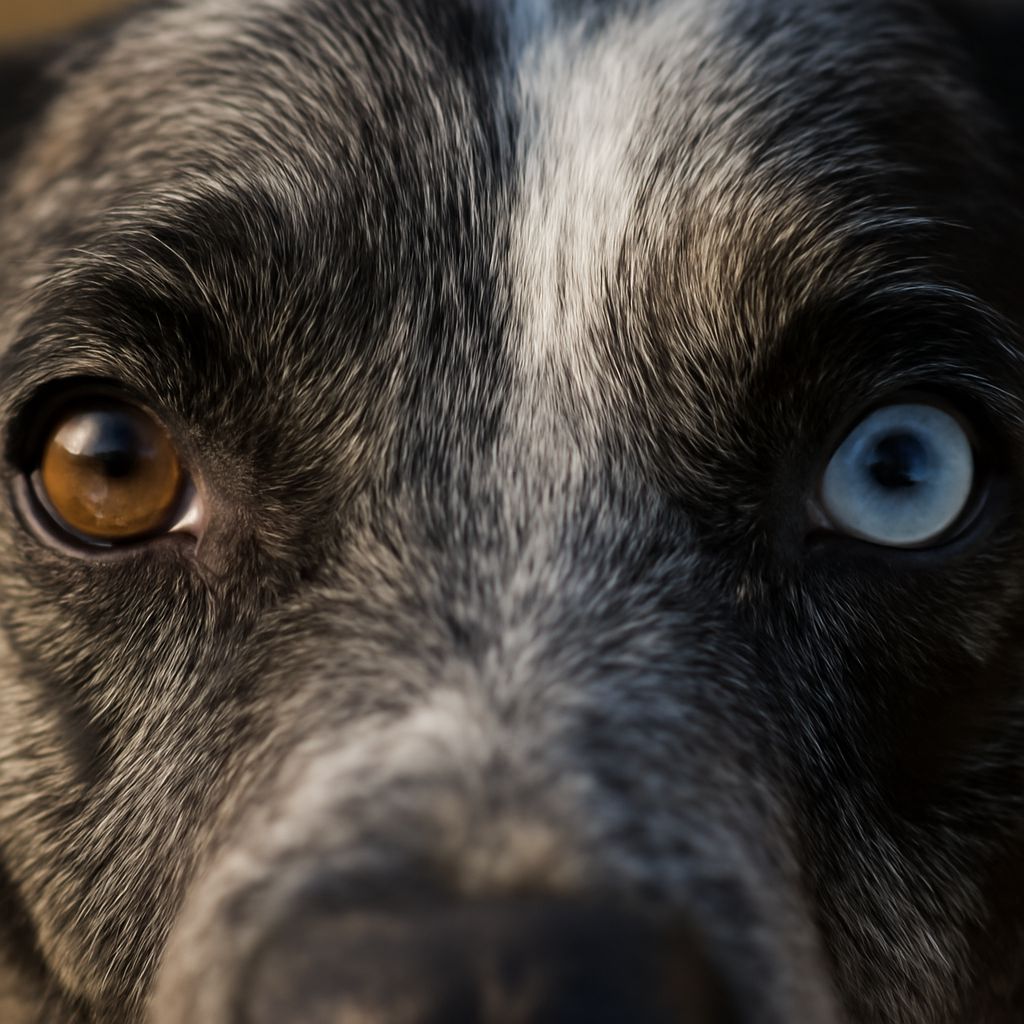
Imagine you’re relaxing at home with your beloved feline when you suddenly notice something peculiar—one of your cat’s pupils is dilated while the other remains normal. You remember reading about cat pupils different sizes being a potential concern. At first, you think it might be nothing, but the thought of cat one eye dilated unexpectedly lingers in your mind. As you gently try to check your cat’s eyes, wondering if anisocoria cat symptoms are at play, you realize that understanding this condition, especially in older cats, is crucial for maintaining their health.
What is Anisocoria in Cats?
Causes of Anisocoria
Anisocoria in cats is a condition characterized by unequal pupil sizes. It can result from a variety of underlying issues, making it important for cat owners to understand its potential causes. This disparity in pupil size may be linked to neurological disorders, systemic diseases, or direct eye injuries.
Symptoms to Watch For
Recognizing the symptoms of anisocoria in your cat involves more than just observing the pupils. Look for signs such as squinting, redness, excessive tearing, or any noticeable vision impairment. A cat with a dilated pupil may also display signs of discomfort or pain when exposed to bright light.
Common Causes of Cat Pupils Different Sizes
Injury and Trauma
Injuries or trauma to a cat’s eye can lead to anisocoria. A scratch or a blow may damage structures within the eye, causing one pupil to react differently to light. It’s crucial to monitor any changes following an incident that might have caused harm to the eye.
Eye Infections and Diseases
Infections like conjunctivitis or diseases such as glaucoma can impact the size of a cat’s pupils. These conditions often come with additional symptoms like discharge, swelling, or visible discomfort. Immediate veterinary attention is recommended to address these issues, as they can progress rapidly.
Diagnosing Cat One Eye Dilated
Veterinary Examination Procedures
A thorough diagnosis by a veterinarian is essential when you notice your cat has one eye dilated. The vet will perform a comprehensive eye examination, which may include ophthalmoscopy to inspect the interior structures of the eye and visual reflex tests to assess neurological function.
Home Observation Tips
While waiting for a veterinary appointment, you can observe your cat for any changes in behavior or additional symptoms. Note the lighting conditions when the anisocoria is most apparent and check for other signs of distress or illness. This information can be valuable for your vet’s assessment.
Treatment Options for Anisocoria Cat
Medications and Therapies
Treatment for anisocoria in cats depends largely on the underlying cause. For infections, antibiotics or antiviral medications might be prescribed. Anti-inflammatory drugs can help reduce swelling and alleviate discomfort, while topical treatments may be used to address localized eye issues.
Surgical Interventions
In some cases, surgery might be necessary, especially if there is structural damage to the eye or a tumor that affects pupil size. Surgical intervention aims to repair damage and preserve vision as much as possible. Post-surgery, cats may require additional care and medication to ensure proper recovery.
Special Considerations for Old Cat Dilated Pupils
Age-Related Eye Changes
Older cats are more susceptible to eye conditions that can lead to anisocoria. Age-related changes such as cataracts or retinal degeneration can cause differences in pupil size. Regular check-ups are critical to monitor these changes and manage any developing conditions effectively.
When to Seek Immediate Help
If you notice sudden onset of dilated pupils in your elderly cat, coupled with other signs such as confusion, disorientation, or systemic illness, seek veterinary care immediately. These could be indicators of more serious health issues that require prompt attention.
Key takeaways: Anisocoria in cats can indicate various underlying health issues. Being vigilant about changes in your cat’s pupils and seeking timely veterinary advice is crucial. Regular eye check-ups, especially for older cats, can help in early detection and treatment of potential problems.