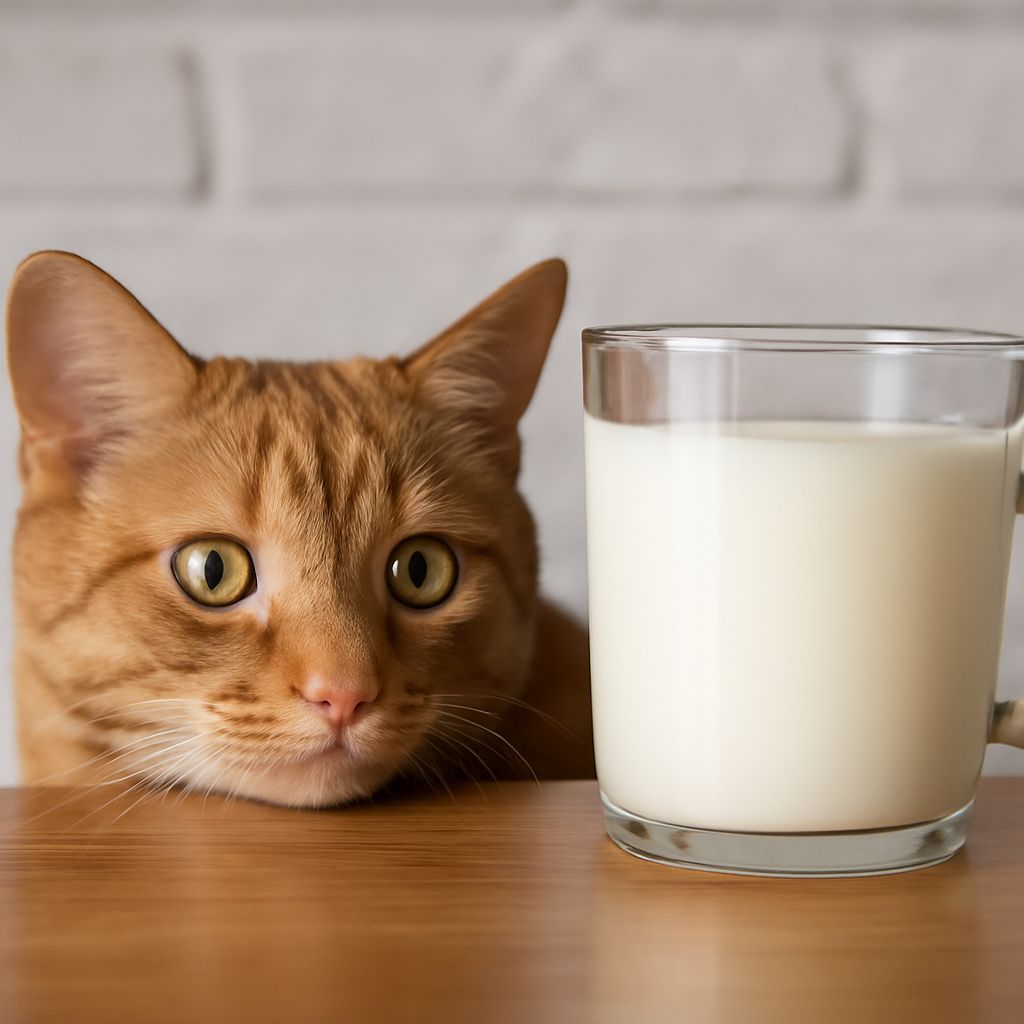
Imagine yourself in the cozy confines of your kitchen, your feline friend weaving around your legs as you pour yourself a glass of milk. In the back of your mind, a classic image emerges: a cat happily lapping up a saucer of milk. However, an important question arises: are cats lactose intolerant? It’s crucial to understand what cats drink to ensure their health and well-being. You might wonder if almond milk is bad for cats or if it’s a safer alternative. Let’s delve into these questions to better understand your furry companion’s dietary needs.
Why Cats Are Lactose Intolerant
The Science Behind Lactose Intolerance in Cats
Cats, much like some humans, can be lactose intolerant due to the absence of lactase, the enzyme necessary for breaking down lactose found in cow’s milk. As kittens, they produce lactase to digest their mother’s milk, but as they age, the production of this enzyme significantly decreases. This makes it difficult for adult cats to process lactose efficiently.
Common Symptoms of Lactose Intolerance in Cats
If a cat consumes milk and experiences lactose intolerance, it may exhibit symptoms such as diarrhea, vomiting, and stomach upset. These symptoms are a result of undigested lactose fermenting in the gut, leading to gastrointestinal distress. It’s essential for cat owners to recognize these signs early to prevent further discomfort.
Alternatives to Milk for Cats
Given the potential for lactose intolerance, offering alternatives to milk is advisable. Specially formulated cat milk is available, which is lactose-free and enriched with essential nutrients. Additionally, ensuring that fresh water is always accessible is crucial for maintaining a cat’s hydration and overall health.
Exploring Cat Drinking Milk Myths
Historical Context of Cats and Milk
The image of cats drinking milk is entrenched in history, largely due to their presence in farming environments where milk was readily available. Cats were often used as mousers, and milk was sometimes used as a treat or reward. However, this historical context doesn’t align with contemporary understandings of feline nutrition.
Why Milk Is Not Ideal for Cats
Despite its traditional association, milk is not ideal for cats. Aside from lactose intolerance, milk offers limited nutritional benefits for felines. It lacks essential nutrients that are vital for a cat’s diet, such as taurine, which is crucial for their heart and eye health.
How to Safely Offer Milk to Cats
If you wish to indulge your cat with milk, choose lactose-free options specifically designed for them. Always introduce these treats gradually and monitor for any adverse reactions. Moderation is key, and milk should never replace a balanced diet.
What Do Cats Drink Besides Milk
Water: The Essential Hydration
Water is the most important beverage for cats, necessary for their overall health and proper bodily function. Cats often require encouragement to drink sufficient amounts, so providing fresh and clean water daily is essential. Pet fountains can also stimulate their interest in hydration.
Safe Alternatives to Milk
Beyond water, there are safe milk alternatives for cats, like the lactose-free cat milk mentioned earlier. Bone broth, without any added seasonings or onions, can also serve as a nutritious occasional treat.
Foods and Drinks to Avoid
Certain foods and drinks, such as caffeinated beverages, alcohol, and chocolate, are dangerous for cats and should be avoided entirely. Additionally, cow’s milk and other dairy products should be limited due to potential lactose intolerance.
Is Almond Milk Bad for Cats?
Nutritional Content of Almond Milk
Almond milk is plant-based and contains no lactose, so you might consider it as a safer alternative. However, almond milk lacks the nutritional benefits necessary for feline health, such as proteins and vitamins that cats require.
Potential Risks of Almond Milk for Cats
While almond milk is not toxic to cats, it contains additives like sweeteners or flavorings that may upset a cat’s digestive system. Ingesting large quantities can also lead to gastrointestinal issues, similar to those caused by lactose intolerance.
Safe Treats for Cats
Instead of almond milk, opt for cat-friendly treats that provide the necessary nutrients without risking digestive discomfort. Freeze-dried meats or specially formulated cat snacks can be satisfying and healthy options.
Safety recap: When considering the introduction of new foods or drinks into your cat’s diet, always prioritize their well-being. Ensure any milk alternatives are safe and introduced in moderation. Keep a close eye on your pet’s reactions to new treats to avoid any adverse effects.