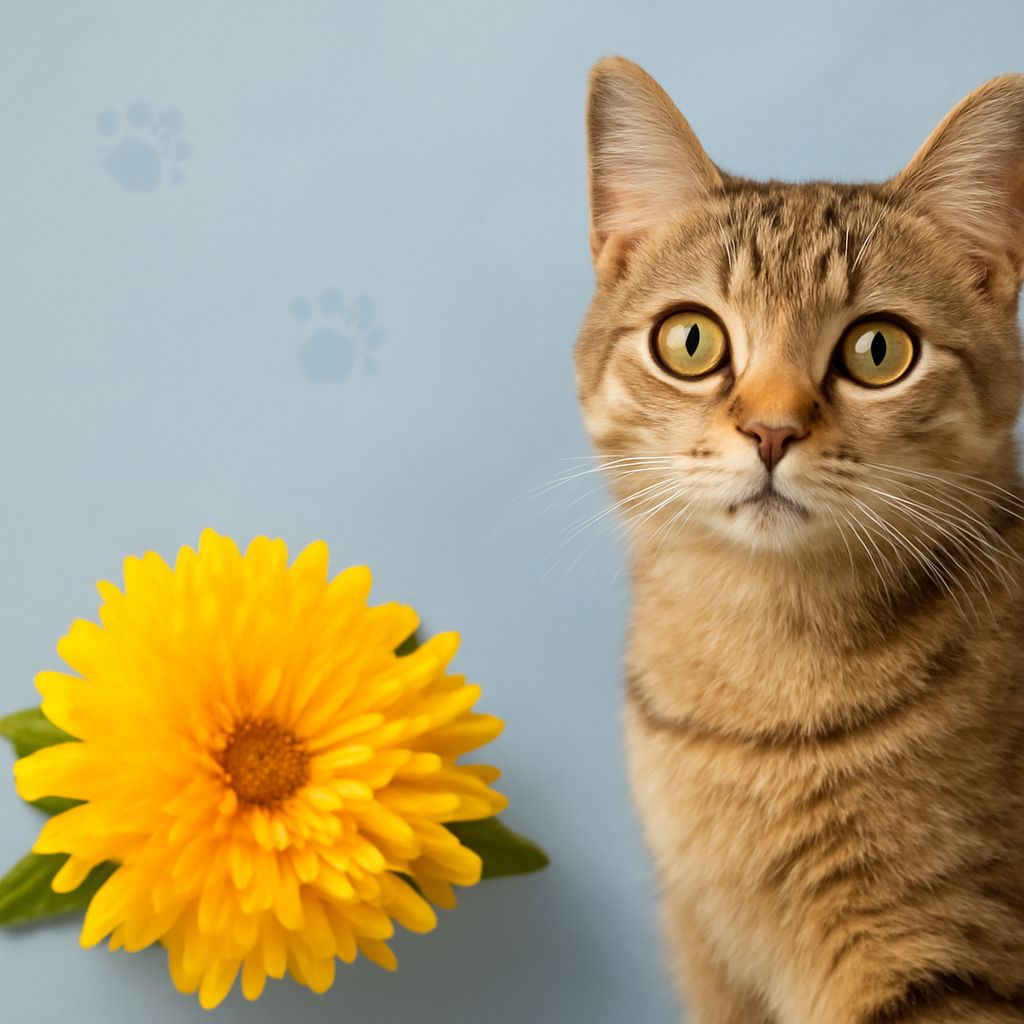
Imagine coming home to find your curious feline companion nibbling at a vibrant bouquet of flowers you’ve recently placed on your dining table. Among the blossoms, mums stand out with their colorful petals and distinct scent. As you rush to gently shoo your cat away, a question lingers in your mind: Are mums toxic to cats? You know that some plants can be hazardous to pets, but you are uncertain about these popular flowers that have added such charm to your home.
This scenario is not unusual for many pet owners who love incorporating natural beauty into their living spaces. Understanding are mums poisonous to cats is crucial in ensuring the safety of your furry friend. In this article, we will explore the potential dangers associated with mums and offer guidance on how to protect your cat from harm.
Understanding the Toxicity of Mums
What Makes Mums Potentially Dangerous for Cats?
Mums, also known as chrysanthemums, contain several compounds that can be harmful to cats. These toxic substances include pyrethrins, sesquiterpene lactones, and other irritants. While these chemicals are often used in insecticides, they can cause adverse reactions in cats if ingested. The toxins in mums can lead to a range of symptoms and discomfort for your pet.
Common Symptoms of Mums Poisoning in Cats
If a cat has ingested parts of a mum flower, you might observe various symptoms indicating potential poisoning. Common signs include drooling, vomiting, diarrhea, and a lack of appetite. In severe cases, the cat may experience difficulty breathing, lack of coordination, or seizures. It’s essential to recognize these symptoms and act promptly to mitigate the risks to your pet’s health.
Are Mums Safe for Cats? Preventive Measures
Safe Alternatives to Mums for Cat-Friendly Homes
To create a safe and harmonious environment for your cat, consider opting for plants that are non-toxic to pets. Some alternatives to mums include spider plants, bamboo palm, and African violets. These plants can enhance the aesthetic of your home without posing a threat to your feline friend. When choosing plants, it’s wise to research their safety and suitability for homes with cats.
What to Do If Your Cat Ingests Mums
If you suspect that your cat has ingested mums, it’s crucial to take immediate action. Remove any remaining plant material from their reach and monitor for symptoms of poisoning. Contact your veterinarian as soon as possible to discuss the situation. The vet may recommend bringing your cat in for an examination depending on the severity of the symptoms exhibited.
FAQs About Mums and Cats
Addressing Common Concerns
Many cat owners often worry about the presence of mums in their homes. One frequent question is whether all parts of the mum plant are poisonous. It’s important to note that while the flowers are the most appealing to cats, leaves and stems can also pose a risk if ingested. Therefore, it is best to keep the entire plant out of reach.
Consulting a Veterinarian
When in doubt about the safety of any plant, consulting a veterinarian is always a wise decision. Veterinarians can provide insights into potential risks and offer advice tailored to your cat’s specific needs. They can also suggest additional resources or strategies for maintaining a pet-safe environment.
Safety recap: Ensuring your cat’s safety is a top priority if you have plants in your home. Always research plant toxicity and opt for cat-friendly alternatives. If an incident occurs, quick action and veterinary advice are vital in safeguarding your pet’s well-being.