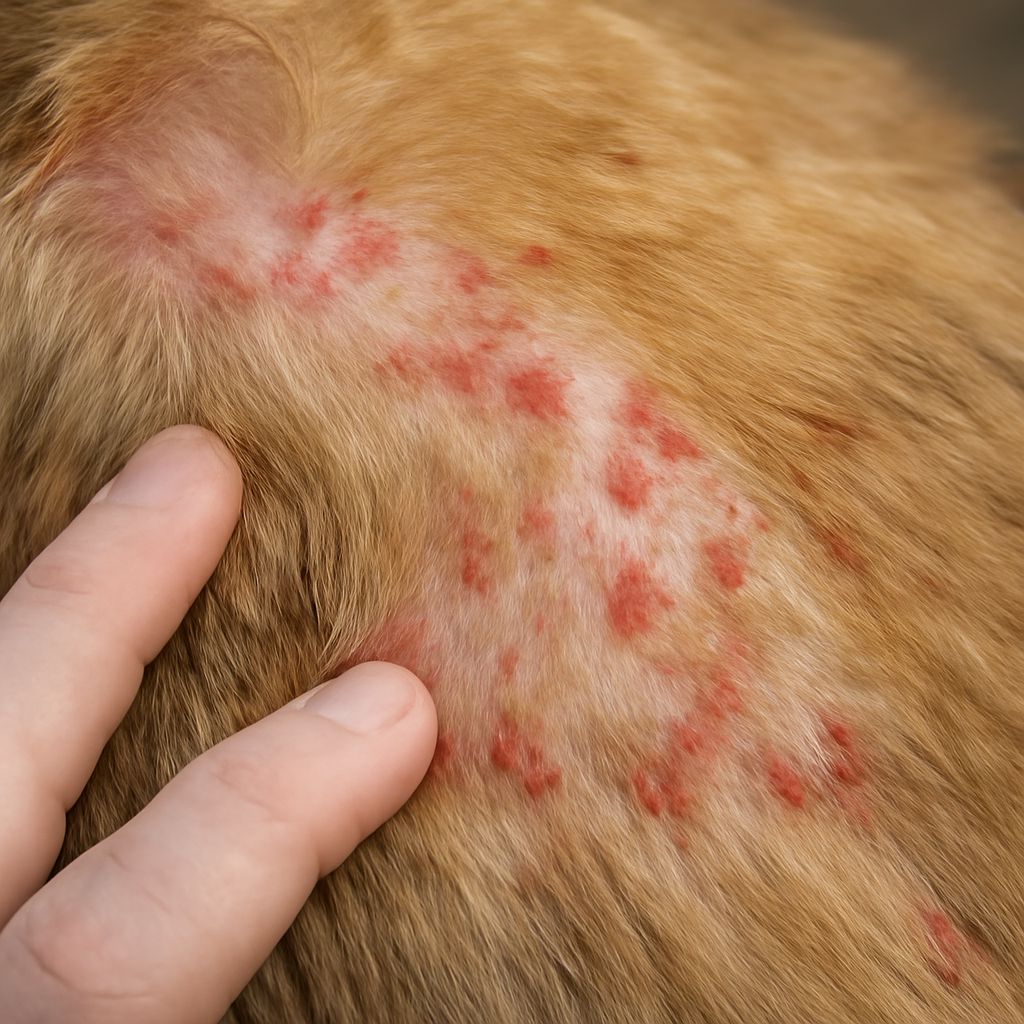
Imagine you are gently stroking your beloved feline when you notice an unusual patch of redness on its otherwise pristine fur. Your immediate thoughts jump to the possibility of an allergy or perhaps even a more concerning infection. The prospect of a cat skin rash can be daunting, but understanding the causes and treatments can empower you to provide the best care. As you examine the area, you wonder if identifying cat allergy rash images could offer insights into what your furry companion is experiencing. Taking swift action to recognize and treat any sores on cats is crucial to maintaining their health and comfort.
Causes of Cat Skin Rash
Allergies in Cats
Allergic reactions are one of the most common causes of skin rashes in cats. These can be triggered by a variety of allergens, including certain foods, pollen, and dust mites. Cats with allergies might display symptoms like excessive itching and redness, which can lead to further skin irritation. If your feline is dealing with allergies, identifying the allergen and eliminating it from their environment is crucial.
Fungal Infections
Fungal infections, such as ringworm, are another culprit behind skin rashes in cats. These infections often present as circular, scaly patches and can be highly contagious to other animals and even humans. Early detection and treatment of fungal infections are paramount to preventing their spread and aiding your cat’s recovery.
Parasites and Fleas
Parasites, including fleas and mites, are notorious for causing skin problems in felines. These tiny invaders can cause significant discomfort and lead to skin conditions characterized by rashes and sores. Regular flea control and monitoring your cat for signs of parasite infestations are essential preventive measures.
Environmental Factors
Environmental factors such as humidity, temperature changes, and exposure to certain chemicals can also contribute to skin issues in cats. Dry air, for instance, can cause their skin to become flaky and irritated. Being mindful of your cat’s living conditions and making necessary adjustments can help mitigate these effects.
Identifying Cat Allergy Rash Images
Common Symptoms to Look For
When examining your cat for potential allergies, look for common symptoms such as persistent scratching, redness, and swelling. In some cases, you may observe small bumps or pimples on their skin. Recognizing these signs early can lead to more effective management of their condition.
Differentiating Between Rashes and Sores
It is important to differentiate between simple rashes and more severe sores on cats. Rashes are typically characterized by areas of redness and irritation, while sores may involve open wounds or scabs. Accurate identification is critical in determining the appropriate course of treatment for your pet.
When to Consult a Veterinarian
If your cat’s rash does not improve with basic home care, or if new symptoms emerge, it is advisable to consult a veterinarian. Professionally assessing the situation can prevent complications and ensure your cat receives the necessary medical attention.
Treatment Options for Sores on Cats
Home Remedies for Minor Rashes
For minor skin irritations, home remedies can be quite effective. Applying a cool compress to the affected area may soothe irritation. Additionally, using hypoallergenic shampoos or products with natural ingredients can help minimize discomfort and promote healing.
Veterinary Treatments for Severe Cases
Severe rashes or sores require veterinary intervention to ensure proper care. A vet might prescribe topical ointments, antibiotics, or antihistamines to address the underlying cause and alleviate symptoms. Adhering to the prescribed treatment plan is essential for your cat’s recovery.
Preventive Measures to Avoid Future Rashes
Preventive care plays a pivotal role in maintaining your cat’s skin health. This includes regular grooming to remove excess hair and dirt, maintaining a balanced diet to boost their immune system, and ensuring their environment is clean and free of potential allergens or irritants.
Safety recap: When dealing with cat skin issues, it’s essential to use any grooming tools carefully to avoid further irritation. If you are using any new products or treatments, monitor your cat closely for adverse reactions, and always consult a veterinarian if you have concerns.