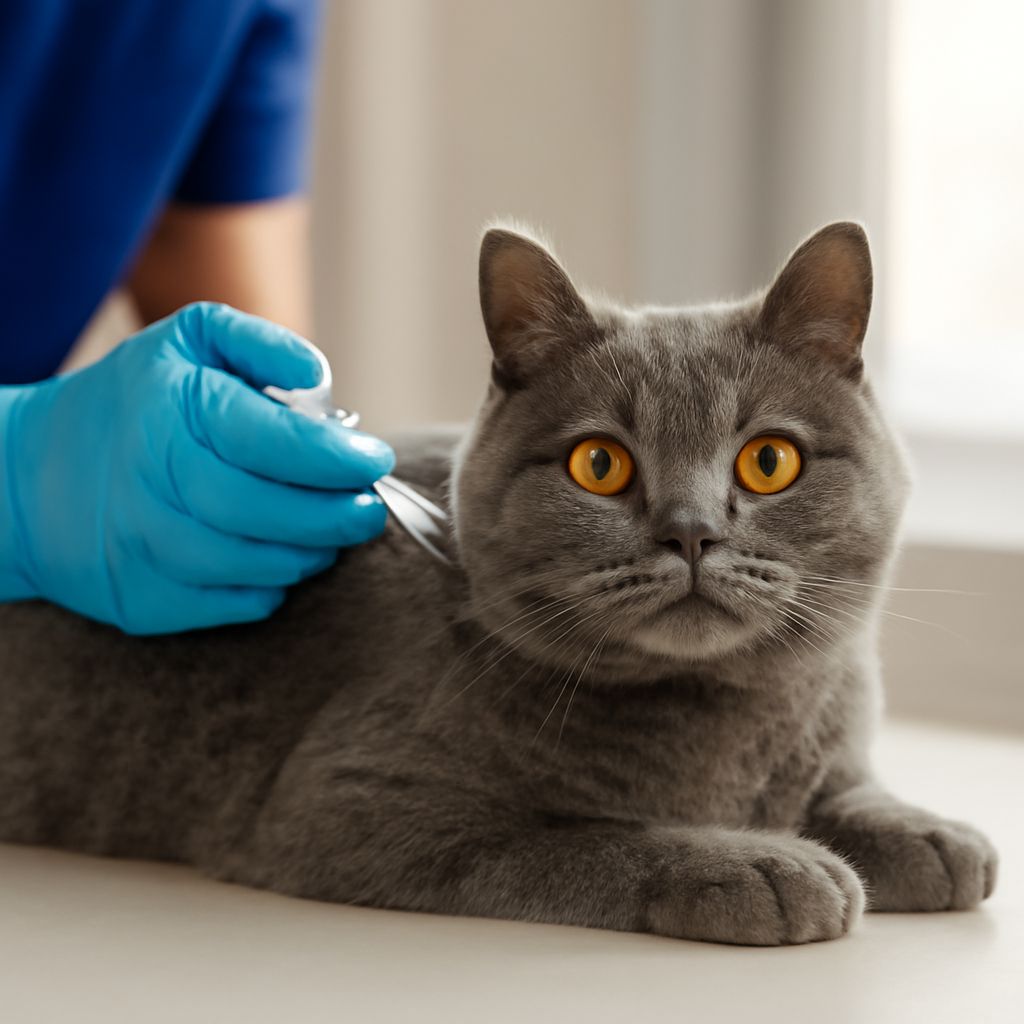
Imagine you’re holding your new kitten, soft and playful, with a world of curiosity in its eyes. As a responsible pet owner, you start wondering, “What shots do cats need to ensure they stay healthy?” The thought of vaccinations may seem daunting, but understanding when do cats need shots and what vaccinations do cats need at various stages of life is crucial for their well-being and your peace of mind. Vaccines are an essential part of feline health care that protect against dangerous diseases, so let’s dive into what vaccines your feline friend might need throughout their life.
Understanding Core and Non-Core Vaccines
When discussing what vaccinations do cats need, it’s important to differentiate between core and non-core vaccines. Core vaccines are essential for all cats, regardless of their lifestyle. These are the vaccines that protect against the most severe and widespread diseases. Non-core vaccines, on the other hand, are recommended based on a cat’s specific needs and lifestyle factors such as geographic location and exposure risks.
Core vaccines for cats typically include those for feline panleukopenia, feline calicivirus, and feline herpesvirus type I (rhinotracheitis). These vaccines are crucial in preventing highly contagious and potentially life-threatening diseases. The rabies vaccine is also considered core in many regions due to its zoonotic nature, meaning it can be transmitted from animals to humans.
Non-core vaccines may include those for feline leukemia virus (FeLV), Bordetella, and Chlamydophila. The decision to administer these vaccines should be made in consultation with your veterinarian, who can assess the individual risk factors for your cat.
What Shots Do Cats Need: A Detailed Breakdown
Knowing what shots do cats need can help you ensure their long-term health. At a basic level, the core vaccines mentioned earlier are a must for all cats. For kittens, the initial vaccination series begins at around six to eight weeks of age, followed by booster shots every three to four weeks until they are about 16 weeks old.
Primary vaccinations such as those for feline distemper (panleukopenia), feline viral rhinotracheitis, and calicivirus are vital during this period. Additionally, all kittens should receive the rabies vaccine, given its serious health implications for both animals and humans.
What Vaccinations Do Cats Need at Different Life Stages
As cats grow from kittens into adulthood, their vaccination needs may change. After the initial kitten vaccination series, most cats will require booster shots. These boosters are crucial to maintain immunity and should be given at intervals recommended by your veterinarian, typically every one to three years.
For adult cats that have never been vaccinated, an initial series of two vaccinations is usually recommended with a follow-up booster. As cats enter their senior years, it’s important to continue regular veterinary check-ups to assess their health and vaccination status.
What Shots Do Cats Need Yearly
Annual vaccinations are a critical component of your cat’s health regimen. While not all vaccines need to be administered every year, some do. Rabies shots, in particular, are often required annually or every three years depending on the vaccine used and local regulations.
Additionally, combination vaccines that protect against multiple diseases like feline herpesvirus, calicivirus, and panleukopenia might be given yearly based on your veterinarian’s advice. Regular check-ups ensure that your cat’s vaccine schedule is up-to-date and tailored to their needs.
When Do Cats Need Shots: Timing and Frequency
Understanding the timing and frequency of cat vaccinations helps in making informed decisions about your pet’s health. The vaccination schedule should begin with the initial kitten series, continue with boosters throughout adulthood, and adapt to the individual needs of the cat.
Cats with outdoor access or those living in multi-cat households might require more frequent vaccinations due to higher exposure risk. On the other hand, indoor cats with minimal exposure to other animals might follow a less frequent schedule. Consulting with your veterinarian is the best way to determine the appropriate timing and frequency for your cat’s vaccinations.
Next Steps: To ensure your cat remains healthy and protected, schedule regular veterinary visits to keep up with their vaccination needs. Your veterinarian can provide personalized advice and updates on any new vaccines or changes in recommendations. Keeping a vaccination record can help track what shots your cat needs yearly, ensuring they’re always up-to-date.