
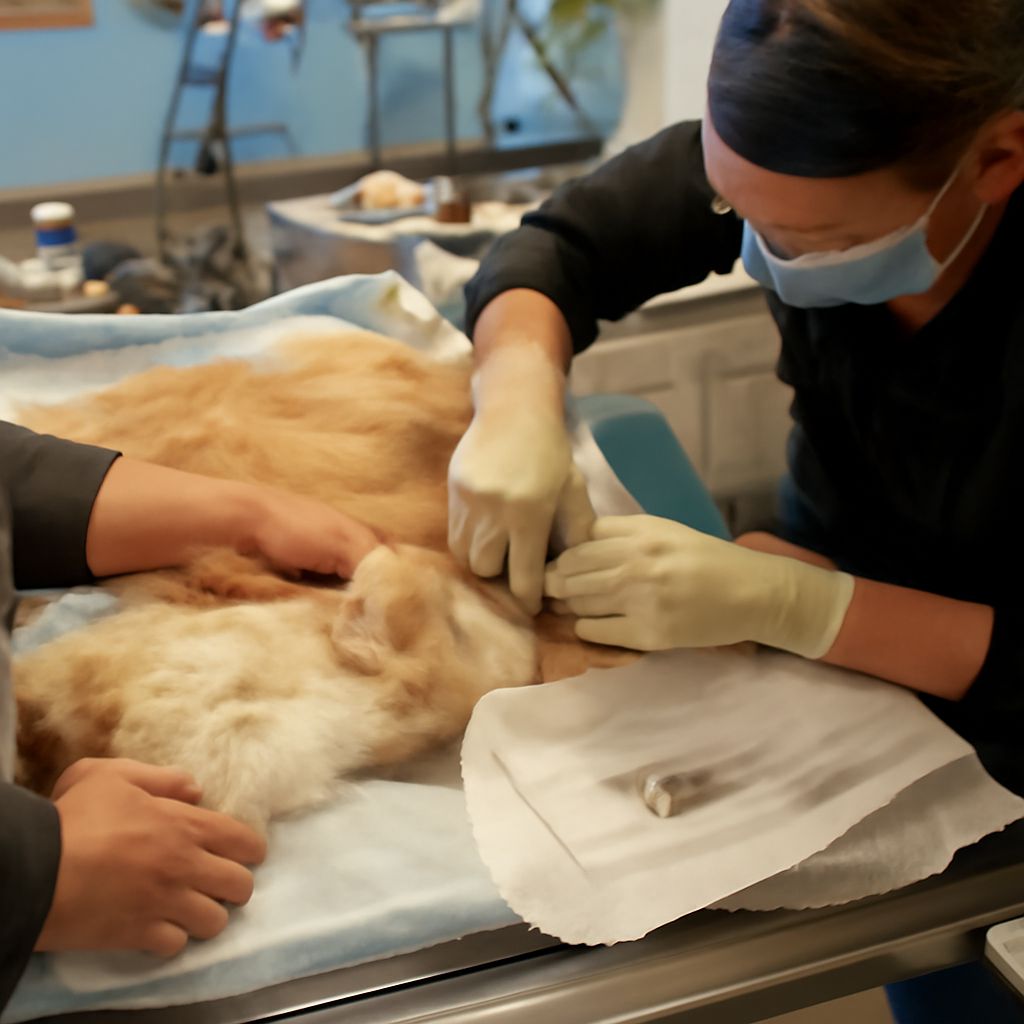
Imagine coming home to find your exuberant feline companion behaving differently. Your female cat, usually energetic and playful, is now unusually withdrawn. You recall the advice of your veterinarian: having your female cat spayed can prevent various health problems and behavioral changes. You wonder, “How long does it take to neuter a cat, and what does the procedure entail?” Understanding the benefits and the process of spaying a cat is crucial for responsible pet ownership. Let’s explore how these procedures ensure the well-being of your beloved pet.
Understanding What Is Spaying a Cat
Spaying a cat refers to the surgical removal of a female cat’s reproductive organs, specifically the ovaries and uterus. This procedure, known as an ovariohysterectomy, aims to prevent unwanted pregnancies and reduce health risks associated with the reproductive cycle. Spaying is typically performed by a veterinarian under general anesthesia, ensuring the animal is pain-free during the operation.
It’s vital to recognize the difference between spaying and neutering, as they are often confused. While spaying is specific to females, neutering encompasses both male and female cats, with the male procedure involving the removal of the testes.
Why Having a Female Cat Spayed Is Important
Spaying your female cat offers numerous benefits, both behavioral and health-related. It significantly reduces the risk of mammary tumors and eliminates the possibility of ovarian and uterine cancers. Furthermore, spaying prevents pyometra, a life-threatening uterine infection.
Behaviorally, spayed cats are less likely to exhibit signs of heat such as excessive vocalization or inappropriate marking with urine. They tend to be more relaxed and have a reduced urge to roam, which lowers the risk of accidents or fights with other animals. Overall, spaying contributes to a more harmonious household environment.
How Do They Spay a Cat: The Procedure Explained
The procedure for spaying a cat involves several steps, starting with pre-operative checks to ensure the cat is fit for surgery. The veterinarian will administer anesthesia, and once the cat is fully under, they will make an incision in the abdomen to access the reproductive organs. The ovaries and uterus are carefully removed, and the incision is closed with sutures or surgical glue.
It’s important to note that while the procedure is routine, it requires a skilled veterinarian to ensure safety and effectiveness. Post-operation, your cat will need a period of rest and recovery to heal properly.
How Long Does It Take to Neuter a Cat Versus Spaying
The duration of spaying a female cat typically ranges from 20 to 45 minutes, depending on the cat’s size and health, as well as the surgeon’s experience. In contrast, neutering a male cat is generally quicker, often completed within 15 to 30 minutes.
Both procedures, however, require a similar amount of time for preparation and post-operative care. Recovery time can vary, but most cats are back to their normal selves within a week to ten days post-surgery. Always consult your veterinarian for specific guidance tailored to your cat’s needs.
Post-Procedure Care for a Spayed Cat
Caring for your cat post-spaying is crucial to ensure a smooth recovery. Your cat may experience some discomfort initially, so providing a quiet and comfortable space is essential. Limit your cat’s activity to prevent stress on the surgical site and monitor for any signs of infection, such as redness, swelling, or discharge.
Follow your veterinarian’s instructions regarding any medications or special diets. Ensure your cat’s water intake is adequate and keep an eye on their appetite. Most importantly, avoid allowing your cat to lick or scratch the incision area, as this can lead to complications.
As your cat recovers, it’s beneficial to offer extra affection and reassurance, helping them feel secure and loved during their healing process.
Safety Recap: If you’re considering spaying your female cat, remember that while the procedure is routine, it demands careful post-operative care. Providing a safe and comforting environment for your cat during recovery will promote healing and enhance their overall well-being.