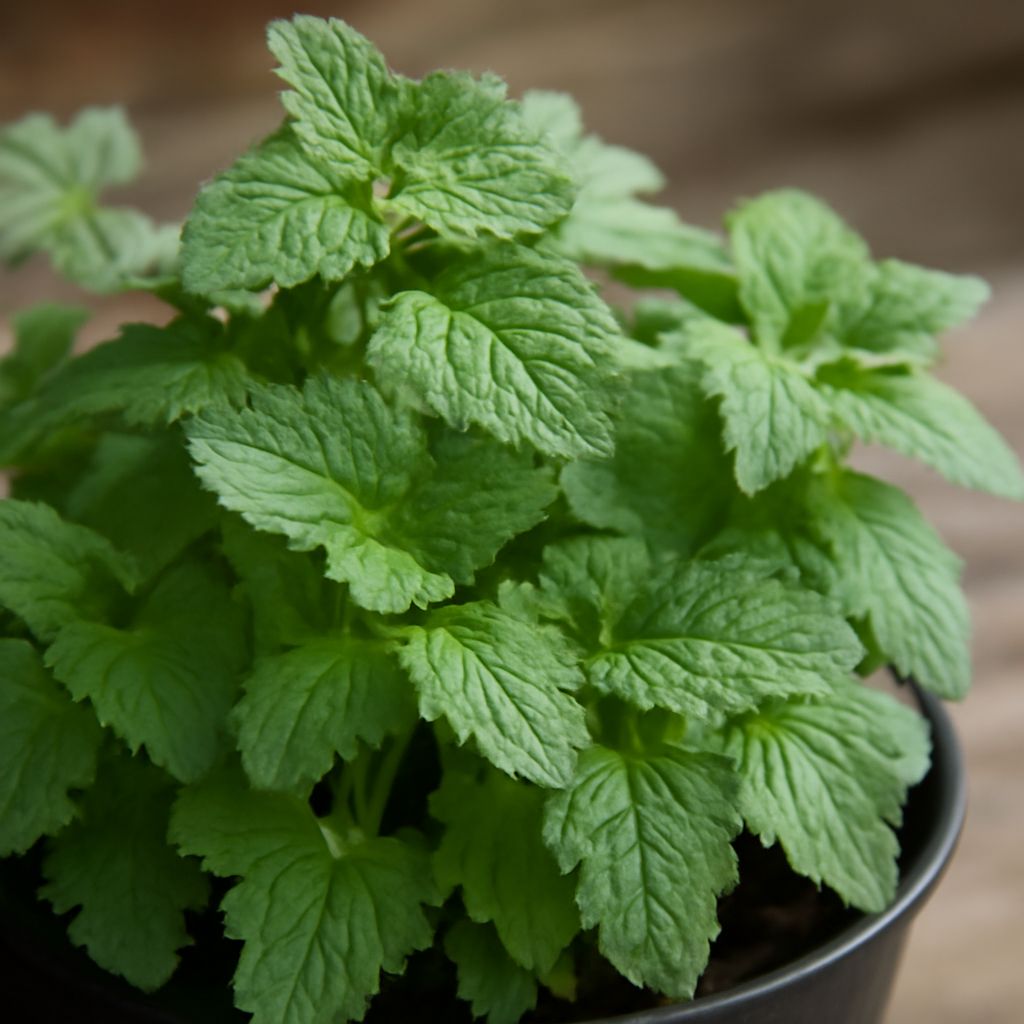
Want a live catnip plant to share with your cat instead of a bag of dried leaves? Look for a healthy potted Nepeta cataria, ask how it was grown and treated, and plan a place where your cat can investigate it under your supervision. When comparing catnip plants offered for sale, the label and treatment history matter as much as the leafy display.
Catnip Plants for Sale: Read the Label First
A listing for a catnip plant for sale can describe several very different things. A live potted plant has roots and leaves already growing. Seeds need time and care before they become a plant; dried catnip is harvested material for toys or other uses and will not grow. Check the description and photos for a rooted plant, pot size, and whether the pictured specimen represents what you will receive.
Look for the full botanical name Nepeta cataria. Common names can overlap: “catmint” may describe catnip or a related ornamental plant. University of Wisconsin Extension notes that other catmints include Nepeta × faassenii and Nepeta racemosa. They may be lovely garden plants, but the name “catmint” alone does not establish that you are getting the species you intended.
The leaves of N. cataria tend to be gray-green, softly hairy and toothed, with square stems. These features help you inspect a plant, but other mint-family plants share some of them. If the label is vague or conflicts with the listing, ask the seller to confirm the scientific name before choosing it. A scent or a cat’s reaction alone is not a reliable identification test.
Inspect the plant and ask about treatments
When you buy a catnip plant, look for firm stems and foliage that is not extensively wilted, spotted or damaged. Turn a leaf over to look for obvious insects. Some variation in size and a few older leaves are normal; widespread damage or visible pests make it harder to bring the plant home with confidence. If ordering online, ask how the plant will be packed and what condition to expect on arrival.
Ask the seller or grower what pesticides, other pest-control products, fertilizers or leaf treatments have been used, including recent applications. Explain that your cat may sniff or chew the plant. Request the product names and application dates so your veterinarian can help assess whether the plant is appropriate for your situation. If the treatment history cannot be established, choose a plant whose history you can verify. A label saying “natural” or “organic” does not describe every substance applied to a particular pot.
Also look at the potting material and any decorative additions. Stones, loose ornaments and plant tags can become tempting objects to bat or chew. Remove decorative pieces and keep the label separately, so you can still refer to its species and care details. Avoid a pot that tips easily when nudged; a sturdy base makes a more predictable meeting place.
Make a place for a supervised visit
Set the pot on a stable, easy-to-clean surface away from ledges where a vigorous rub could send it tumbling. Keep other houseplants separate, especially if you have not checked whether they are safe for cats. When the session is over, put the pot somewhere your cat cannot reach it. That gives the herb time to recover and lets you control access rather than finding a chewed plant and scattered soil later.
Catnip plants for sale need care after they arrive home, too. Wisconsin Extension describes N. cataria as a plant that prefers full sun and well-drained soil, though it tolerates partial shade. Check the specific grower’s care instructions and the conditions in your home. Water where excess can drain, and do not leave the pot standing in water. If you use any plant-care product later, discuss cat access with your veterinarian and follow its label.
A cat might sniff, rub, roll, become lively or show little interest. VCA Animal Hospitals notes that responses vary, and some cats do not respond at all. Watch your individual cat rather than expecting a particular performance. If play becomes tense in a multi-cat home, give each cat space and choose another activity if needed.
Chewing deserves attention. The ASPCA lists catnip as toxic to cats and notes that it can cause vomiting or diarrhea, as well as stimulation or sedation. If your cat becomes unwell after contact or eats a concerning amount, remove access and contact your veterinarian or a pet poison control service. Keep the plant label and treatment information available for that call.
A quick buying checklist
Before bringing a living catnip plant home, check these points:
- Form: Is it a rooted plant in a pot, rather than seeds or dried leaves?
- Identity: Does the seller confirm Nepeta cataria, not just the common name?
- Condition: Are the stems and leaves in good shape, without obvious pests?
- History: Can the grower identify treatments and when they were applied?
- Placement: Do you have a stable spot for supervised visits and an inaccessible place for storage?
Use the answers to compare live catnip plants before purchase. A clear label, a documented history and a practical place for the pot make it easier to enjoy the plant while paying attention to your cat’s response.