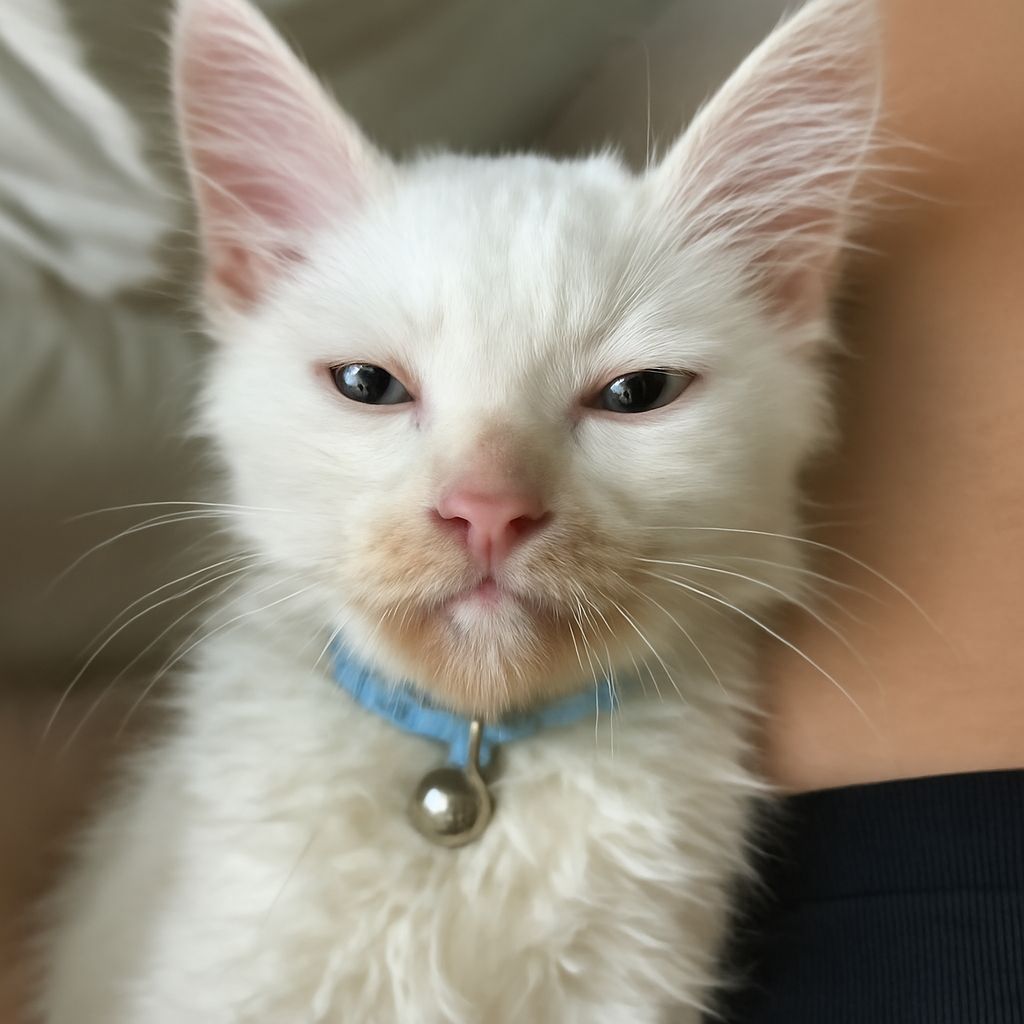
You’re petting your cat and notice a wet spot on your sleeve — or spot your cat leaving small damp patches on the couch. It makes you wonder: do cats drool normally, or is something wrong? For most pet owners, cats drooling feels unusual compared to what they see from dogs. The good news is that it’s not always a sign of trouble, but the cause matters.
Understanding why do cats drool and what the different triggers look like helps you decide whether to wait and watch or call the vet. Here’s a breakdown of the most common reasons why would a cat drool, from the harmless to the ones that need attention.
Normal Reasons Cats Drool
Relaxation and Contentment
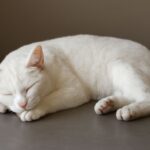
Some cats drool when they’re deeply relaxed — kneading, purring, and occasionally drooling while settled in their favorite spot or on a warm lap. This is benign and usually starts in kittenhood. If your cat has always drooled a little during happy moments and is otherwise healthy, it’s simply part of their personality.
Reacting to Food or Treats
The smell of a favorite food can trigger salivation just as it does in other animals. A small amount of drooling before mealtime or when treats come out is normal and not a reason for concern. Cats drooling in anticipation is just normal digestive reflex.
Medical Causes of Cat Drooling
Dental Disease and Mouth Pain
Dental problems are one of the most common medical reasons why do cats drool. Gingivitis, tooth resorption, abscesses, and ulcers all cause excess salivation because the mouth is attempting to flush out irritants or manage pain. If your cat’s drooling is accompanied by bad breath, difficulty eating, or pawing at the mouth, a dental exam is needed.
Nausea and Digestive Upset
Cats that are nauseous — from motion sickness, ingesting something irritating, or a GI condition — often drool as a precursor to vomiting. If cats drooling follows a car ride or eating something unusual, nausea is likely the cause.
Toxic Plant or Chemical Exposure
Certain plants (lilies, azaleas, dieffenbachia) and household chemicals cause immediate oral irritation and heavy drooling. This kind of salivation is often sudden and profuse. Is it normal for cats to drool this much? No — sudden, heavy drooling after possible exposure to a toxin is an emergency.
Respiratory Infections
Upper respiratory infections that cause nasal congestion can also lead to mouth breathing and secondary drooling. The cat may also have discharge from the eyes or nose alongside the salivation.
Kidney Disease and Other Systemic Illness
Kidney disease causes a buildup of uremic toxins that irritate the oral mucosa and cause ulcers. Drooling in older cats, especially when paired with weight loss, increased thirst, or lethargy, warrants bloodwork to check kidney and thyroid function.
When to See the Vet
Is it normal for cats to drool consistently, beyond occasional happy-drooling or mealtime anticipation? No. Persistent drooling, sudden-onset heavy salivation, drooling alongside behavioral changes, or any suspicion of toxin ingestion all need veterinary evaluation. Your vet can rule out dental disease, run bloodwork, and identify any systemic cause quickly.
Bottom Line
The question of why do cats drool has multiple answers, ranging from perfectly normal relaxation responses to serious medical issues that need prompt care. Knowing your individual cat’s baseline — does your cat drool sometimes during cuddles, or is this new? — is the best guide to deciding when it’s worth a call to the vet.