
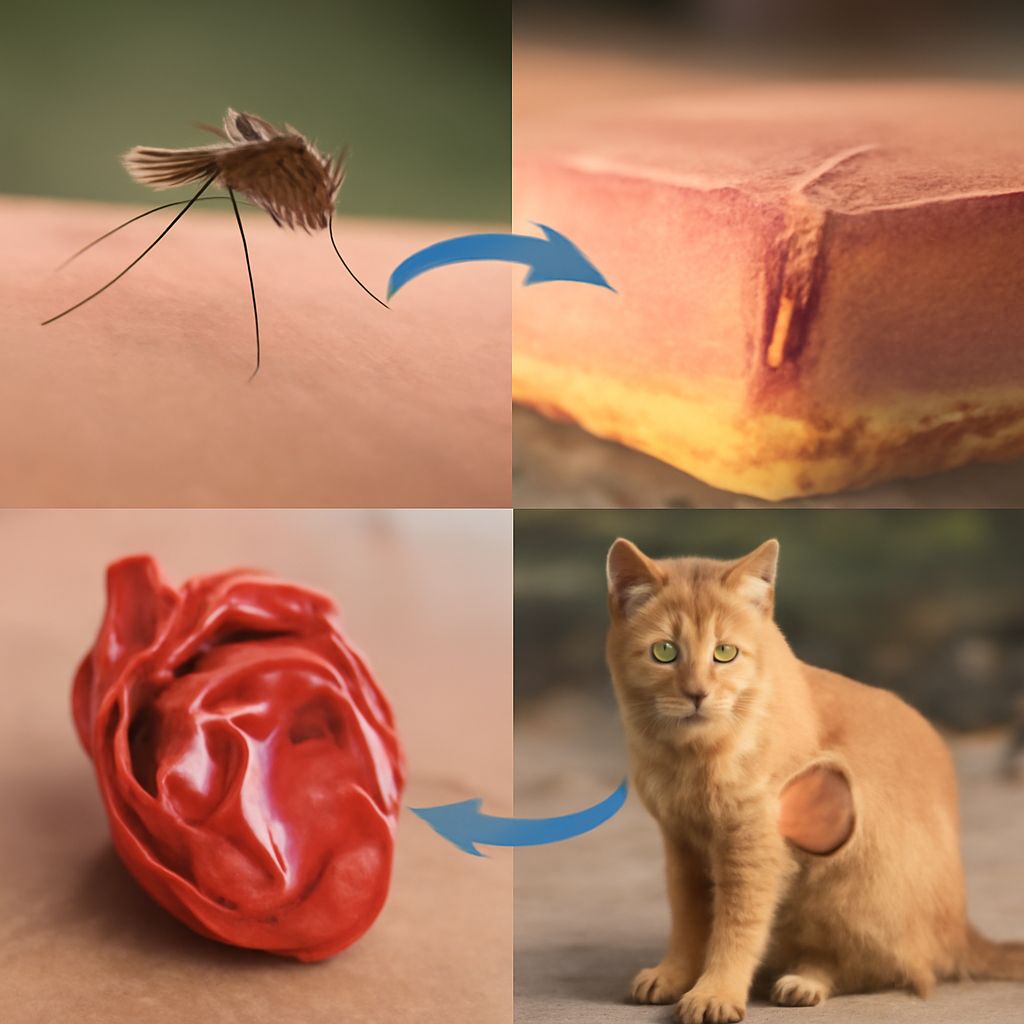
Picture this: You’re enjoying a quiet evening with your beloved feline companion when you notice them scratching furiously. As a responsible pet owner, you wonder, “Do mosquitoes bite cats?” Your mind races to past incidents, like when your cat had a strange reaction to a spider bite or when you worried about the possibility of snake bites during your outdoor adventures. You recall reading about the impressive cat bite force, but how does it relate to these pesky insects? And, somewhat unsettlingly, you’re also curious about whether bed bugs might find your feline friend as appealing as you do.
Do Mosquitoes Bite Cats?
Understanding Mosquito Behavior
Mosquitoes are known for their blood-sucking habits and their attraction to warm-blooded animals, including cats. While they primarily target humans, these insects don’t discriminate entirely against our feline friends. Mosquitoes typically seek out animals that are outdoors or in warm environments, using their keen sense of smell to locate their next meal.
How Mosquitoes Affect Cats
While not all cats will react strongly to mosquito bites, some may experience irritation and mild allergic reactions. The affected area can become itchy and inflamed, prompting your cat to scratch or bite at the site, potentially leading to secondary infections. In rare cases, mosquitoes can also transmit heartworm larvae to cats, a condition more commonly associated with dogs but nevertheless a risk for felines.
Preventive Measures Against Mosquito Bites
To protect your cat from mosquito bites, consider keeping them indoors during peak mosquito activity times, such as dawn and dusk. Using screens on windows and doors can help minimize indoor exposure. Additionally, there are feline-safe repellents and products designed to deter mosquitoes without harming your pet. Always consult a veterinarian before applying any new products to ensure they are safe for your cat.
Cat Bite Force and Its Relevance
Comparing Cat Bite Force to Other Animals
The cat’s bite force is surprisingly robust, designed to catch and hold onto prey. While not as strong as some larger carnivores, it is sufficient to handle most small animals and insects. However, this powerful bite is not particularly useful against tiny pests like mosquitoes, which are often too small to be affected by a cat’s defensive mechanisms.
How Bite Force Affects Cat Behavior
The bite force of a cat is integral to its hunting and play behavior. It allows cats to efficiently subdue prey and engage with toys in a manner that satisfies their natural instincts. However, when it comes to insects, cats may exhibit scratching or biting behaviors rather than relying solely on their bite force to deal with discomfort or irritation from bites.
Protecting Cats from Biting Insects
Regular grooming and maintaining a clean environment can help reduce the presence of insects in your cat’s vicinity. Additionally, understanding the limitations of a cat’s bite force in deterring insects like mosquitoes can highlight the importance of preventive measures designed specifically for these pests.
Common Bites: Spiders, Snakes, and More
Cat Spider Bite Reactions
Cats are curious creatures, and this curiosity often leads them into encounters with spiders. Although most spiders are harmless, some bites can cause localized reactions such as swelling or itching. It’s crucial to monitor your cat for any signs of distress following a