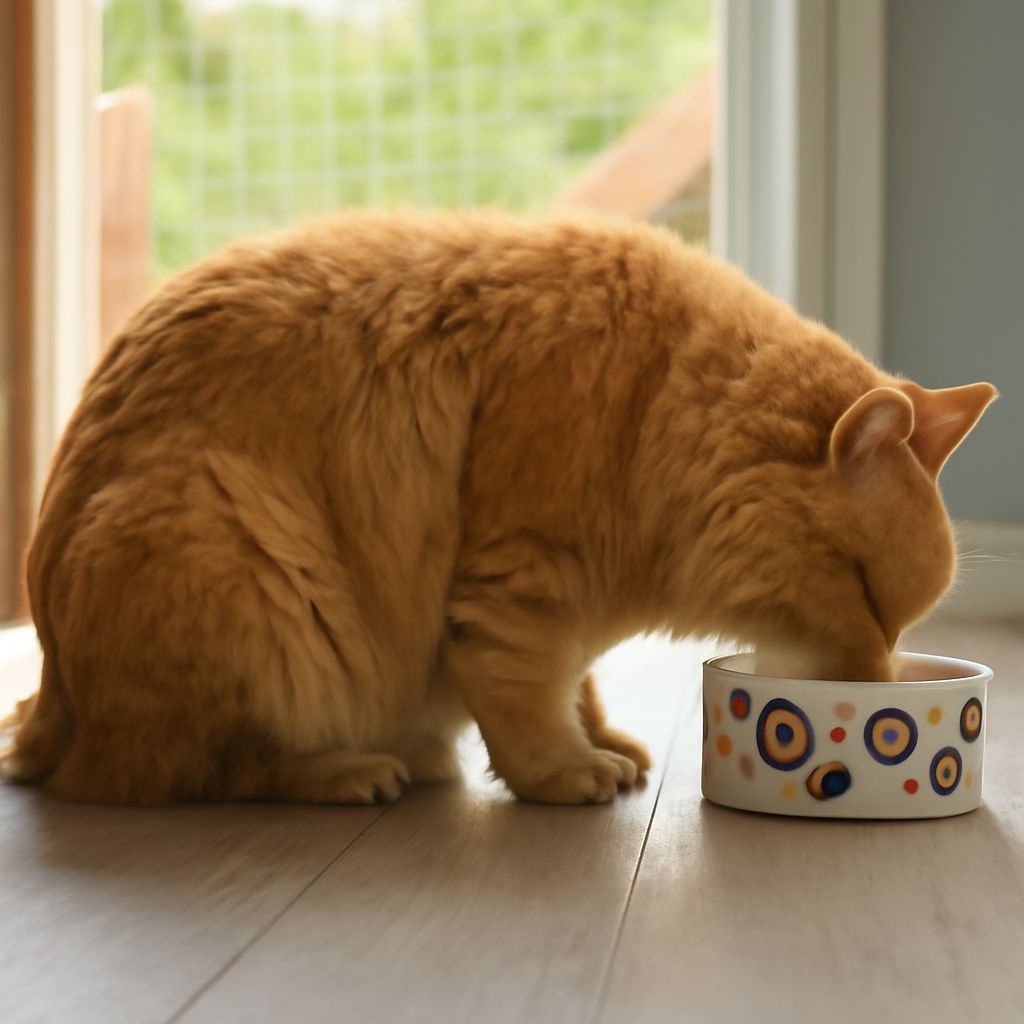
Imagine it’s a Saturday morning, and your feline companion seems a bit under the weather. As you sip your coffee, you recall the vet prescribing amoxicillin the last time your cat had a similar issue. While considering the amoxicillin dose for cats, you ponder the potential amoxicillin for cats side effects and whether integrating natural probiotics for cats could help. You also remember reading about the benefits of fish oil and start to wonder about the appropriate fish oil dose for cats. Navigating the world of cat health can be daunting, yet understanding the essentials of safe usage and side effects aids in making informed decisions for your pet’s well-being.
Understanding Amoxicillin Dose for Cats
Amoxicillin is a commonly prescribed antibiotic for cats, often used to treat infections caused by bacteria. It is crucial to follow your veterinarian’s dosage recommendations, as the right dosage of amoxicillin for cats depends on the cat’s weight and the severity of the infection. Administering the correct amount ensures effectiveness and minimizes the risk of resistance.
The typical prescribed dose of amoxicillin can vary, but it generally ranges from 5 to 10 mg per pound of body weight, administered twice daily. Always adhere to the veterinarian’s specific instructions and do not abruptly stop the medication without consulting a professional.
Amoxicillin for Cats Side Effects
While amoxicillin is effective, it’s essential to be aware of potential side effects. The most common side effects associated with amoxicillin in cats include gastrointestinal issues such as vomiting or diarrhea. If these symptoms persist or worsen, it’s advisable to contact your veterinarian for guidance.
In rare cases, more severe reactions may occur, like allergic responses or changes in behavior. Recognizing these adverse effects of amoxicillin early can prevent complications. Regular monitoring of your cat’s health during treatment is key to ensuring their safety.
Best Practices for Administering Amoxicillin
Administering medication to cats can be challenging, but following best practices can ease the process. Consider these tips when giving amoxicillin to your cat:
- Timing: Maintain a consistent schedule to keep the antibiotic levels stable in your cat’s system.
- Food: Some cats may tolerate amoxicillin better when given with meals to reduce stomach upset.
- Form: Whether liquid or pill, choose the form that suits your cat’s preference and ease of administration.
Natural Probiotics for Cats: A Healthy Addition
Probiotics can be a beneficial supplement to your cat’s diet, especially when they’re on antibiotics like amoxicillin. Natural probiotics for your cat help maintain a healthy gut flora, which can be disrupted during antibiotic treatment.
Introducing probiotics can aid digestion and restore balance in the gastrointestinal tract. Look for products specifically designed for cats, ensuring the probiotic’s formulation meets their unique needs. As always, consult your veterinarian before adding new supplements to your pet’s diet.
Determining the Right Fish Oil Dose for Cats
Besides probiotics, fish oil is another supplement that can benefit your cat’s health. Rich in Omega-3 fatty acids, it supports skin, coat, and joint health. Finding the appropriate fish oil dosage for cats is crucial to avoid over-supplementation.
A general guideline for administering fish oil is around 20mg of EPA and DHA per pound of body weight. However, individual needs may vary, so it’s wise to seek veterinary advice tailored to your cat’s specific health requirements.
Integrating fish oil into your cat’s diet can provide numerous benefits, but moderation and professional guidance are key to ensuring safety and efficacy.